


With Egypt’s economy growing at a healthy 5 percent, Egypt’s President Abdel Fattah el-Sissi won an easy reelection this year. But his hold on power may be imperiled as Egyptians struggle to cope with rising food prices that have come alongside economic reforms and austerity measures mandated by the International Monetary Fund. This month, IMF officials called on Egypt to deepen those reforms in order to secure continued growth. Positive growth figures, however, mean little to average Egyptians who are feeling the sting of rising food prices as they shop at Cairo’s food markets ahead of the Muslim holy season of Ramadan that start on May. Hamada Elrasam captures their stories.
Egypt's Economic Numbers Look Good, but Approach of Ramadan Tells a Different Story
1
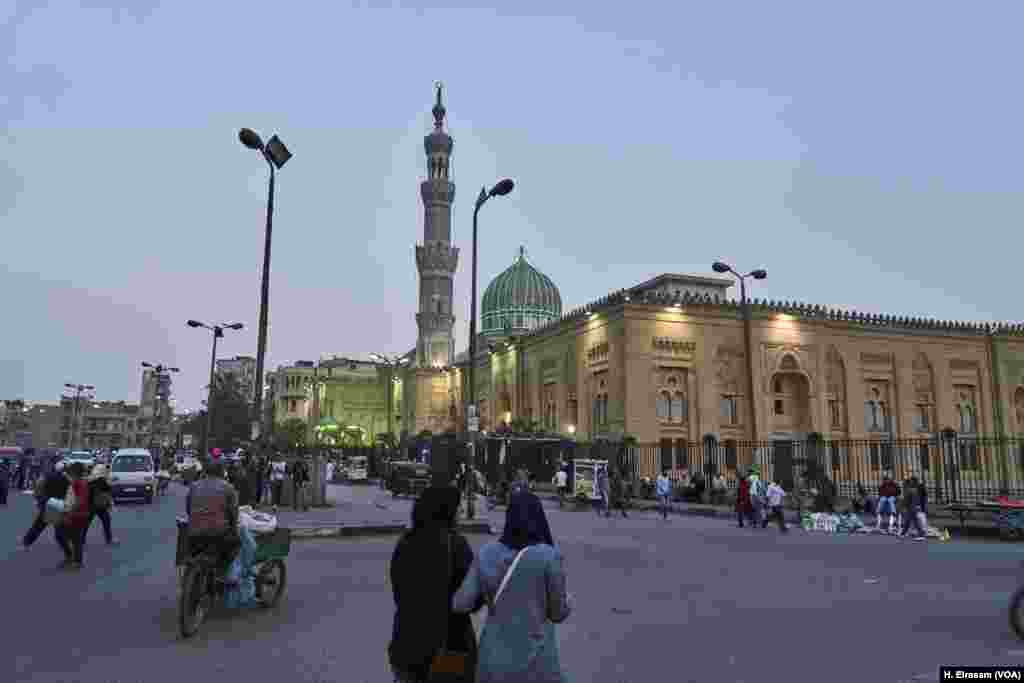
Sundown at Cairo’s Al-Sayeeda Zainab Mosque. The run-up to Ramadan is a time when shoppers rush to get ready and gather ingredients for the nightly Iftar feast at the end of each day of fasting.
2
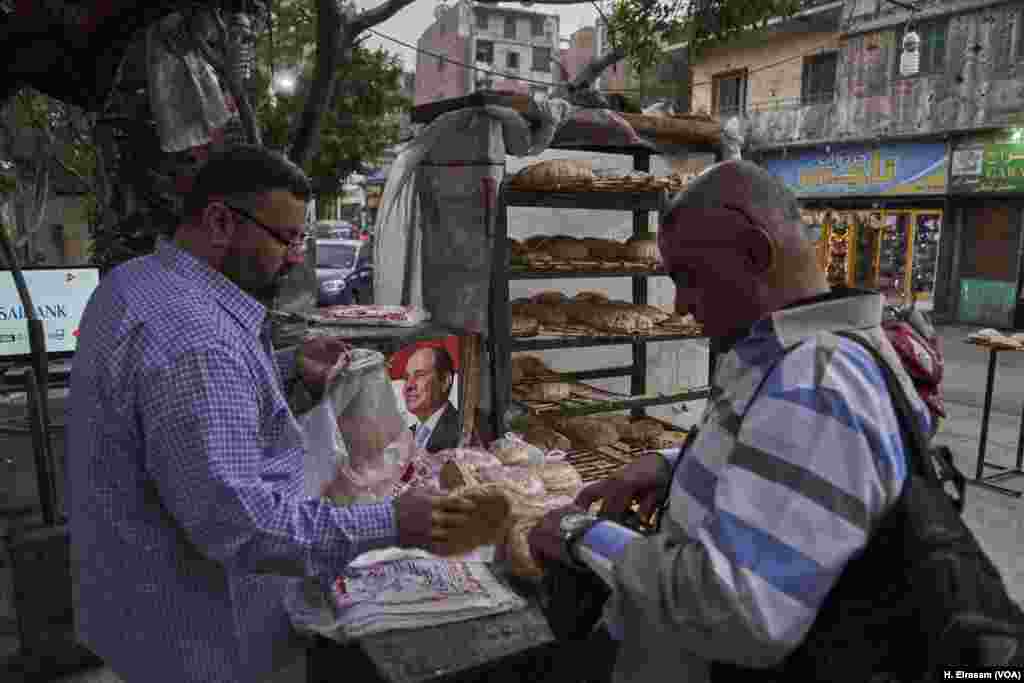
Bread vendor keeps President Abdel Fattah el-Sissi’s campaign flyer on his counter in central Cairo. With Egypt's economic growth expected surpass a whopping 5 percent this year, el-Sissi sailed to victory uncontested in this year’s election with many voters crediting him with improving an economy compared to the one he inherited in 2014.
3
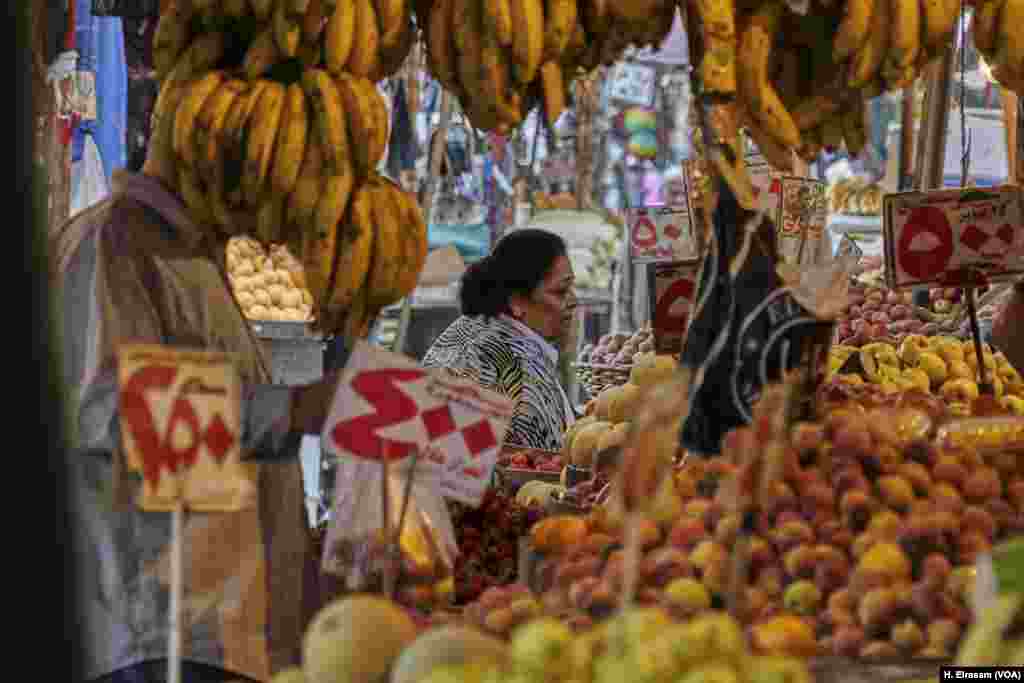
Shoppers at a fruit stall in Cairo complain of rising prices. IMF and government figures project robust growth and, at 13.3 percent, the lowest inflation in two years – down from more than 30 percent last year. However, the removal of energy and other subsidies have been followed by the continuing rise of food products for Ramadan shoppers this year.
4
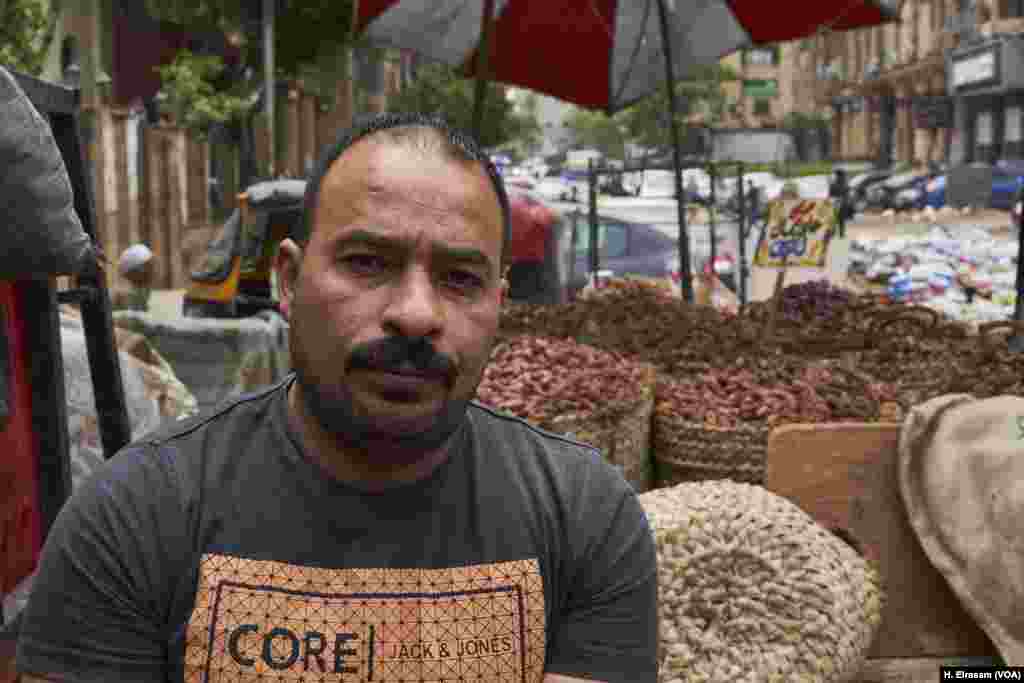
For Amr, a date vendor, the statistics mean nothing on the ground. He complains of poor sales this year. “The prices are double, for any goods, there are lots of food still in stores.”