SHOUF CEDAR RESERVE, LEBANON —
The fragrant cedar forests of Lebanon were first recorded in the Sumerian epic of Gilgamesh, about 4,500 years ago.
But Lebanon’s once mighty cedar forests survive today only as pockets of scraggly trees on mountain sides.
Now, there's a project to replant the ancient cedar forests. Lebanon’s government has set an ambitious goal of increasing the country’s forest cover by 50 percent by the year 2020.
Going green
Hisham Salman runs Lebanon's Association for Forests, Development and Conservation. He said the government’s “Green Lebanon” slogan wins support across religious and sectarian lines in this fractured land.
“People who are living in the cities, they like this idea that Lebanon is a green country,” he said in an interview at a nursery in the Shouf Mountains. “They want to see it again green, so they like this idea - the planting of trees,” said Salman.
Cedars of Lebanon
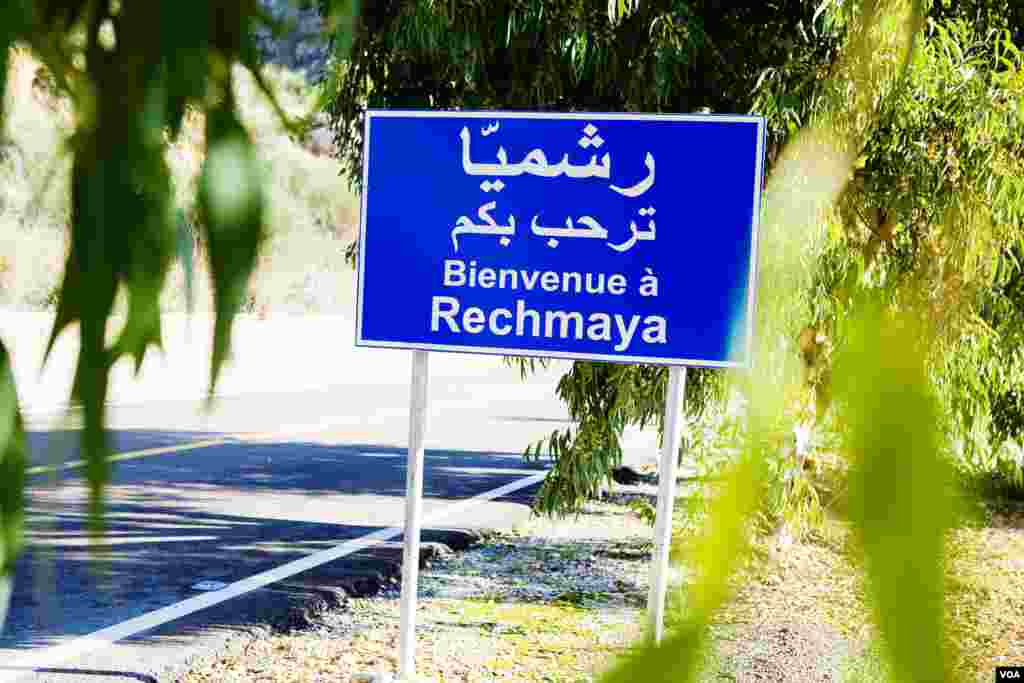
1/13A sign by the entrance to the cedar and conifer nursery. (V. Undritz for VOA)
Show moreShow less
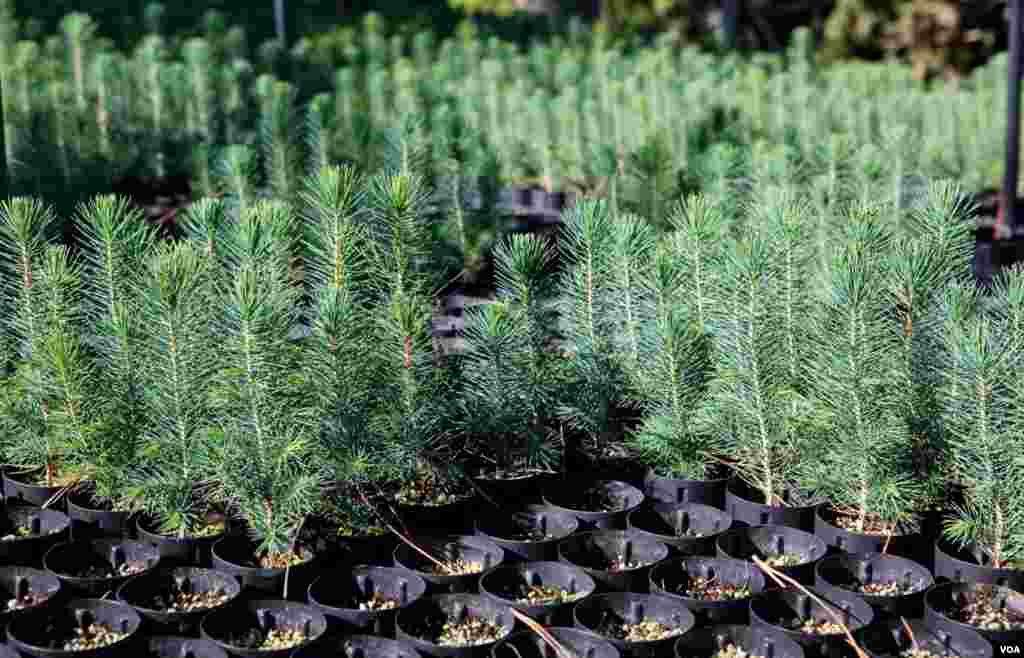
2/13Cedar seedlings grow at a USAID-funded nursery maintained by Lebanon's Association for Forests, Development and Conservation. (V. Undritz for VOA)
Show moreShow less
3/13Cedar seedlings grow at a USAID-funded nursery maintained by Lebanon's Association for Forests, Development and Conservation. (V. Undritz for VOA)
Show moreShow less
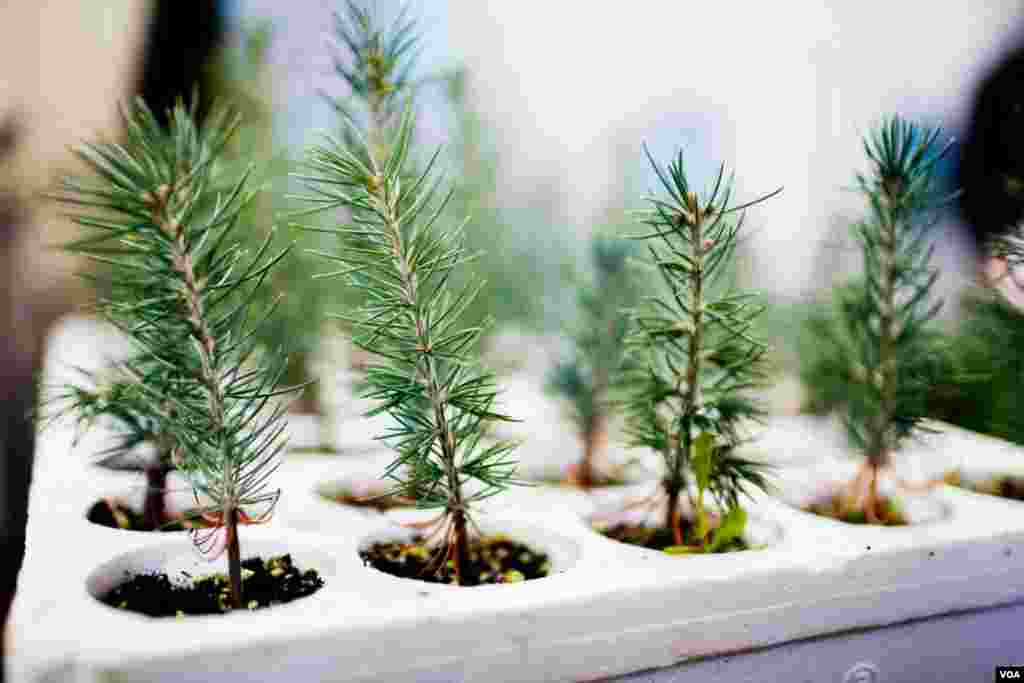
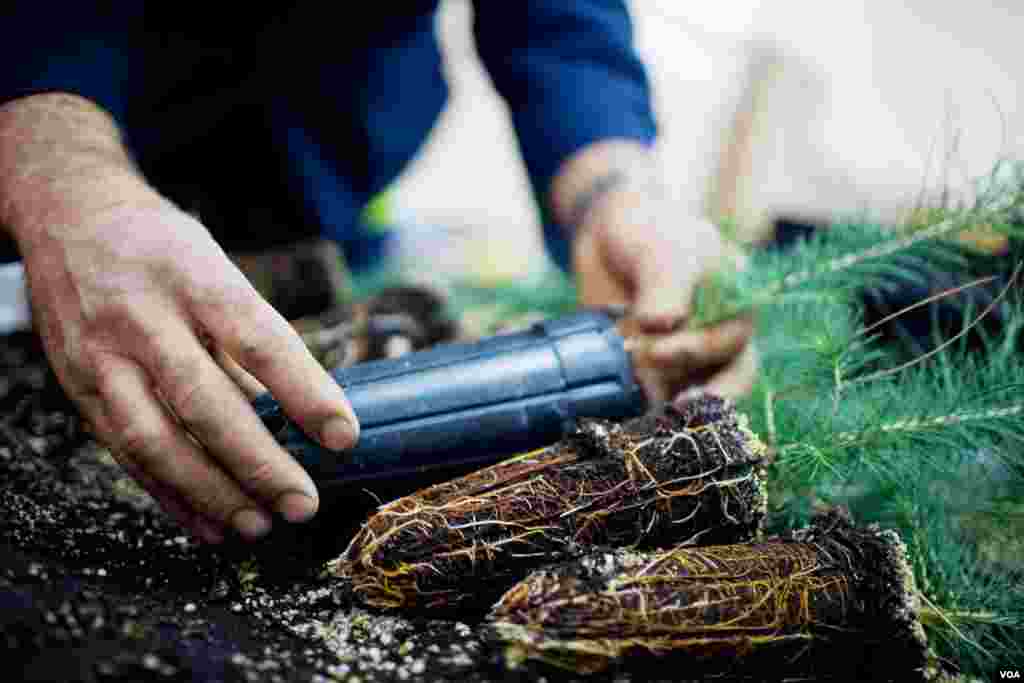
4/13Cedar seedings that grow in longer, American-designed pots develop longer root systems and have a better survival rate. (V. Undritz for VOA)
Show moreShow less
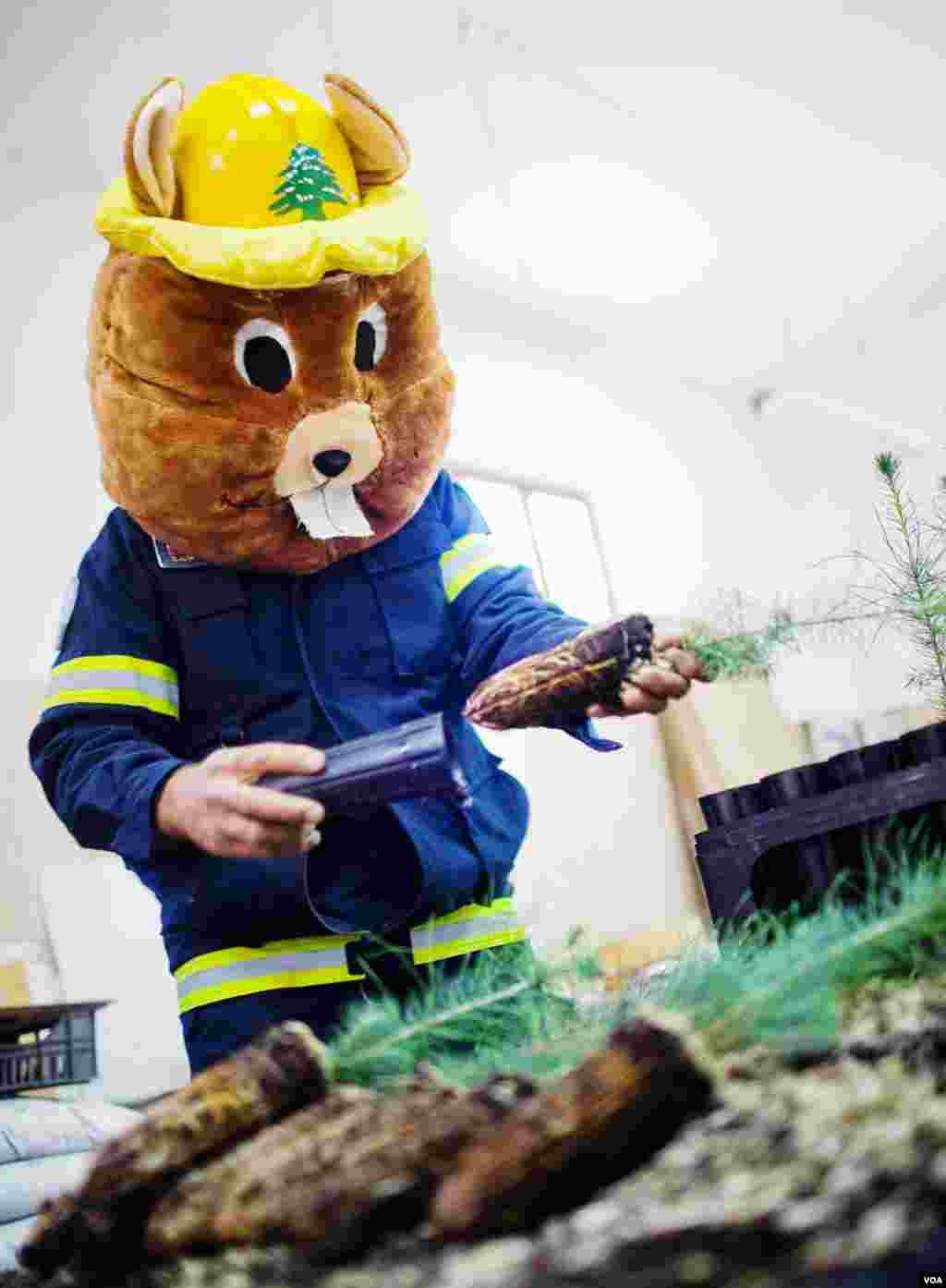
5/13Sanjoub the Squirrel teaches Lebanese children and villagers about protecting cedar forests from wildfires and goats. (V. Undritz for VOA)
Show moreShow less
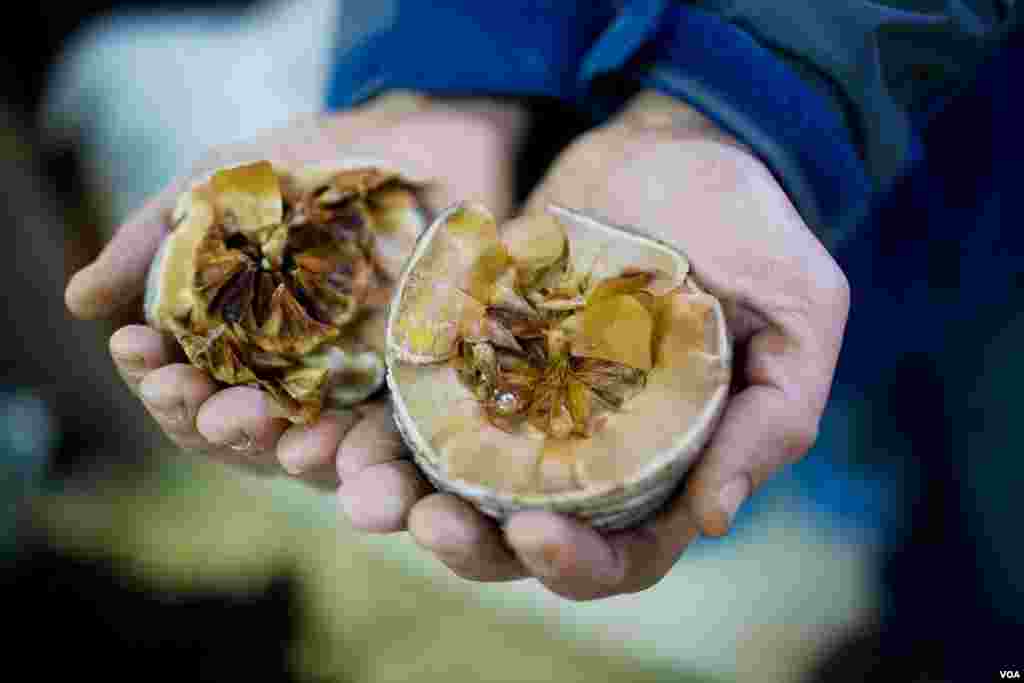
6/13By twisting open a ripe cedar cone, a nursery worker exposes seeds ready for germination. (V. Undritz for VOA)
Show moreShow less
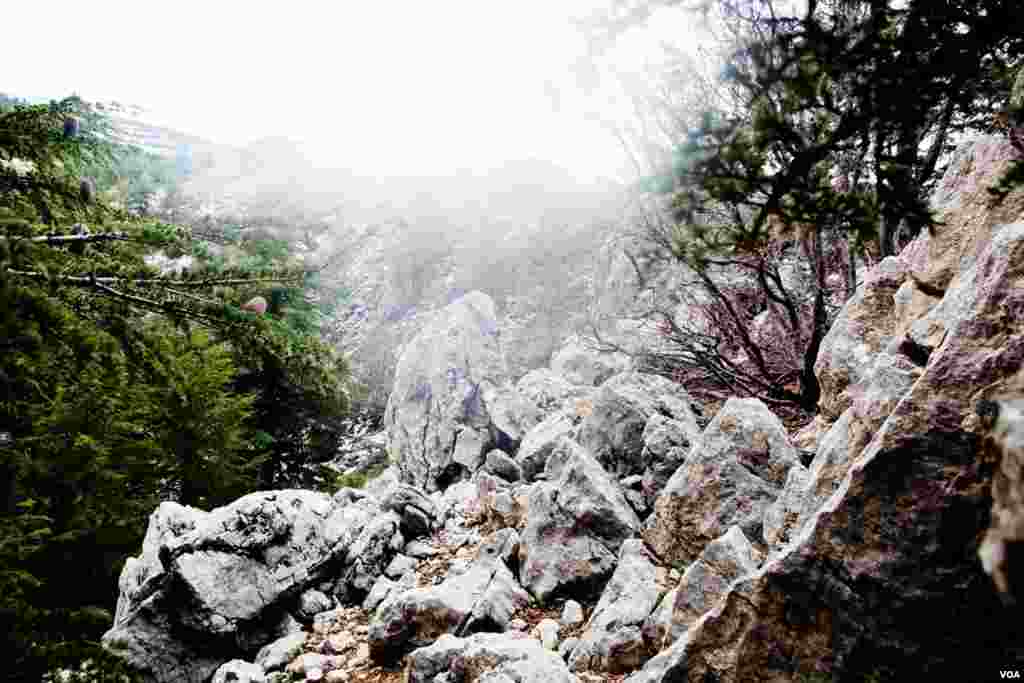
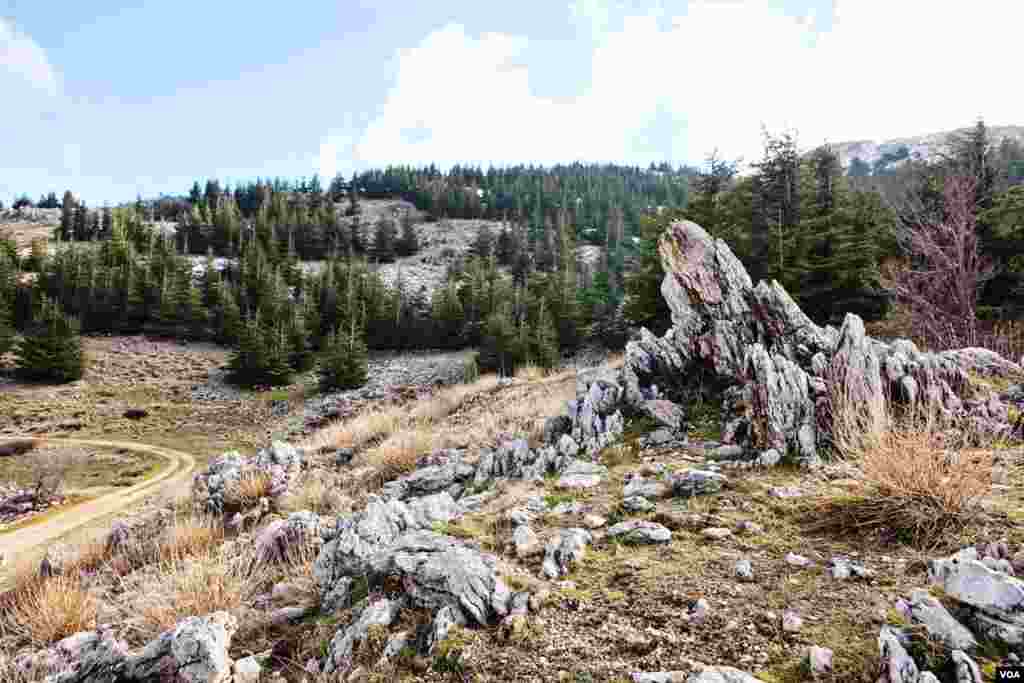
7/13In the craggy, inaccessible heights of what is now the Shouf Cedar Nature Reserve, cedars have survived through the centuries, largely out of reach of man. (V. Undritz for VOA)
Show moreShow less
8/13At high altitudes, cedars grow slowly and take pyramid shapes. (V. Undritz for VOA)
Show moreShow less
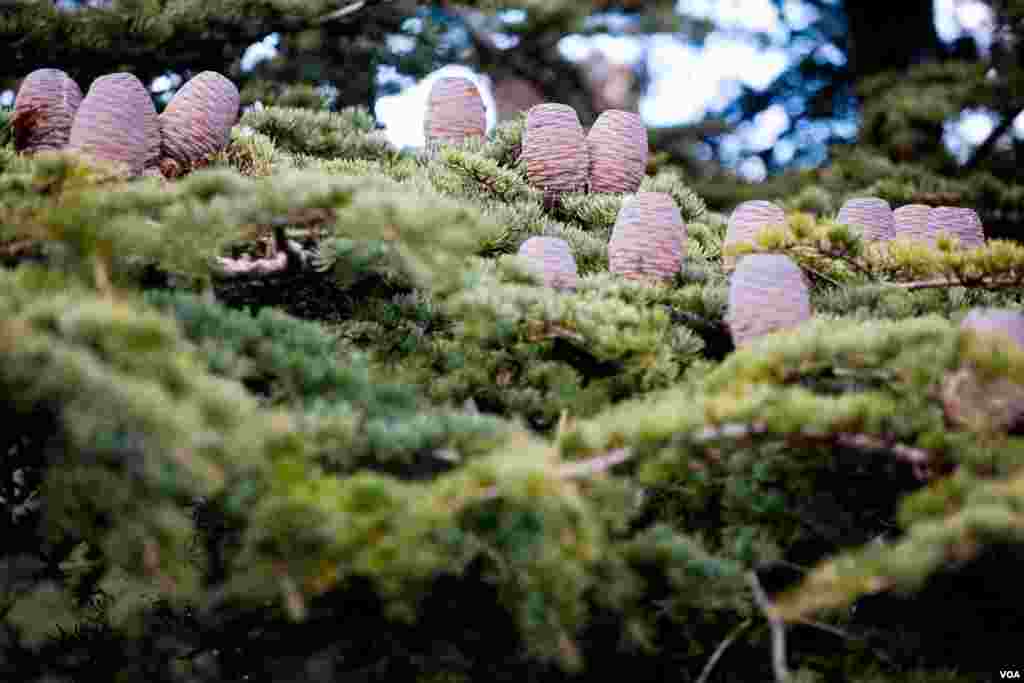
9/13Cedar cones grow upward from a green carpet of flat boughs. (V. Undritz for VOA)
Show moreShow less
10/13High atop the Shouf Cedar Nature Reserve at 2,000 meters altitude, some ancient cedars are over 1,000 years old (V. Undritz for VOA)
Show moreShow less
11/13The high altitude landscapes of the Shouf Cedar Nature Reserve provide the southernmost extension of growing areas for the Cedars of Lebanon. (V. Undritz for VOA)
Show moreShow less
12/13The high altitude landscapes of the Shouf Cedar Nature Reserve provide the southernmost extension of growing areas for the Cedars of Lebanon. (V. Undritz for VOA)
Show moreShow less
13/13In ancient times, the tower cedars of Lebanon were cut and floated down mountain rivers to the Mediterranean for shipbuilding and temple construction. (V. Undritz for VOA)
Show moreShow less
Previous slide
Next slide
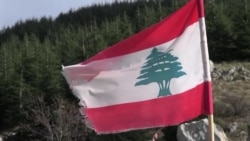
The cedar is Lebanon’s national symbol, the center piece of the nation’s flag and shield.
The ancient Egyptians used cedar oil to mummify the dead.
The Phoenicians used cedar planks for their merchant ships. The Hebrews used cedar beams to build King Solomon’s temple.
The Bible mentions the cedars of Lebanon 75 times, including in Psalm 92: “The righteous will flourish like a palm tree. They will grow like a cedar of Lebanon."
In 2005, mass rallies against Syria’s military occupation came to be known as “The Cedar Revolution.”
Fighting fires
On the conservation side, Lebanon created Sanjoub the Squirrel, a mascot who teaches children and villagers about preventing forest fires.
Salman said climate change is creating a longer season of wildfires.
“We notice that climate change is affecting the forest because, before, the fire season started in June-July,” Salman said. “Now in the last 20 years, the fires are starting in March. We have big fires in March and April. This, we think, is the global warming,” said Salman.
Prioritizing planting
Trees stabilize hillsides and protect mountain springs. Now, the goal is to plant one million trees a year. With American techniques, a USAID-funded program has doubled and tripled survival rates for saplings of cedar and other conifers.
Heath Cosgrove directs environmental projects for USAID Lebanon. "Here in Lebanon," he said, "USAID has partnered with the U.S. Forest Service, with a $12-million, 4-year project to reforest Lebanon, to restore it’s natural beauty, to help support the introduction of the national symbol, the cedar tree, which is represented on the Lebanese flag."
Up here in the Shouf mountains east of Beirut, some ancient trees were saplings 2,000 years ago, during the life of Jesus. Now, new seedlings are part of a plan to replant the legendary cedars of Lebanon.