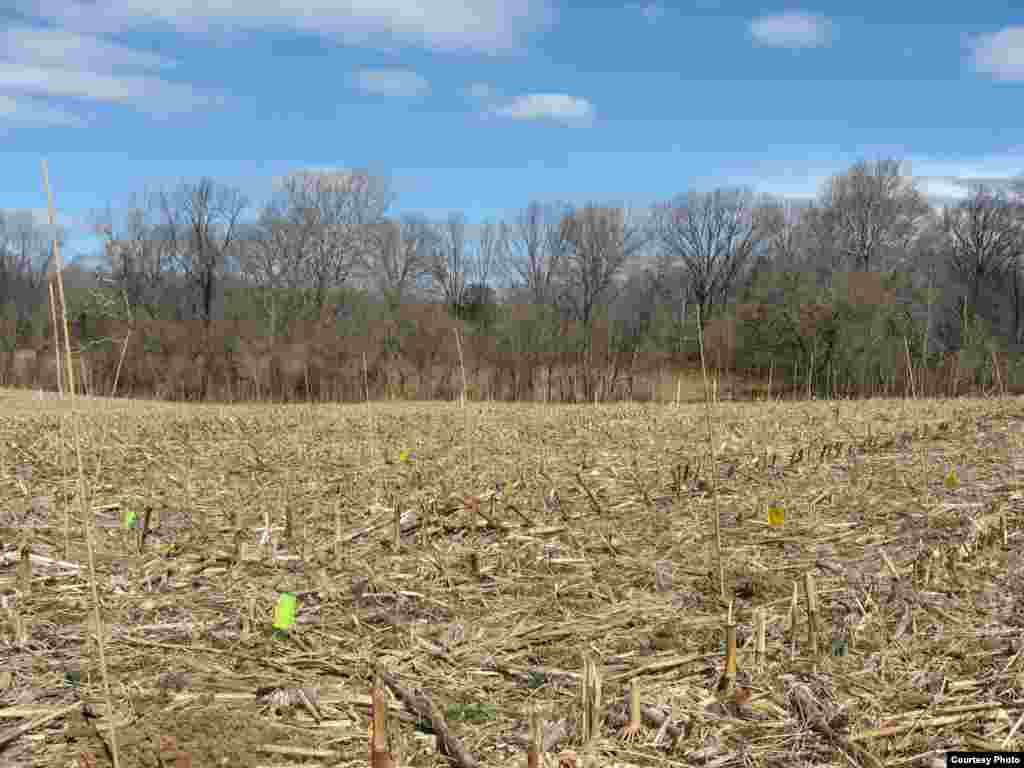
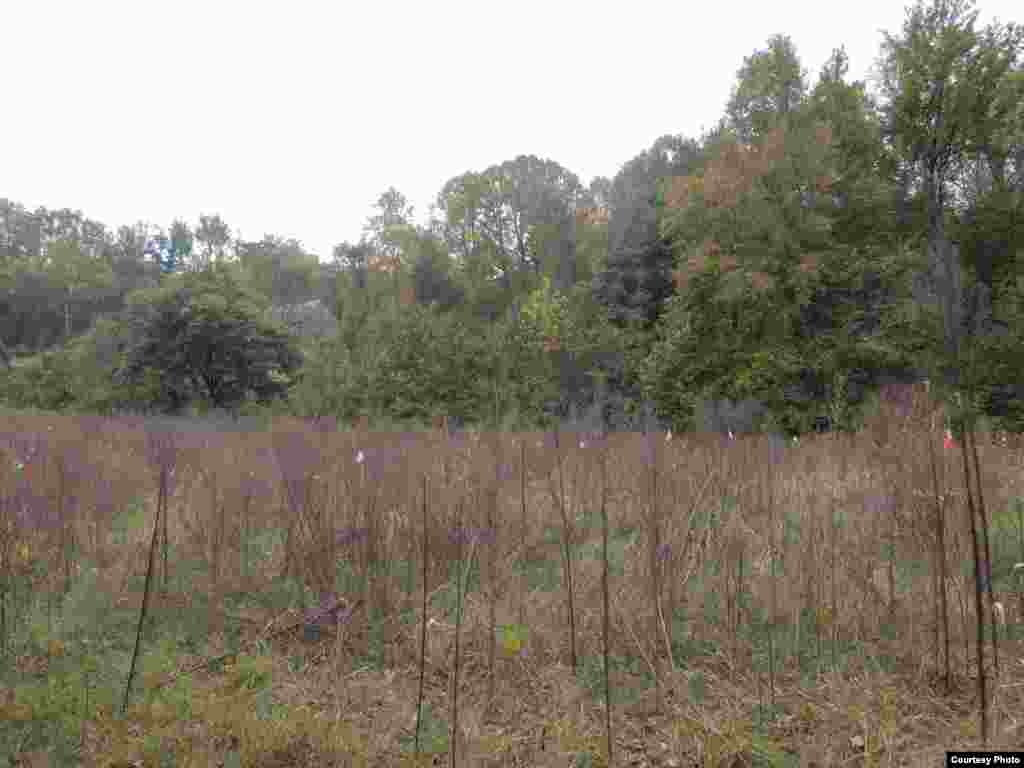
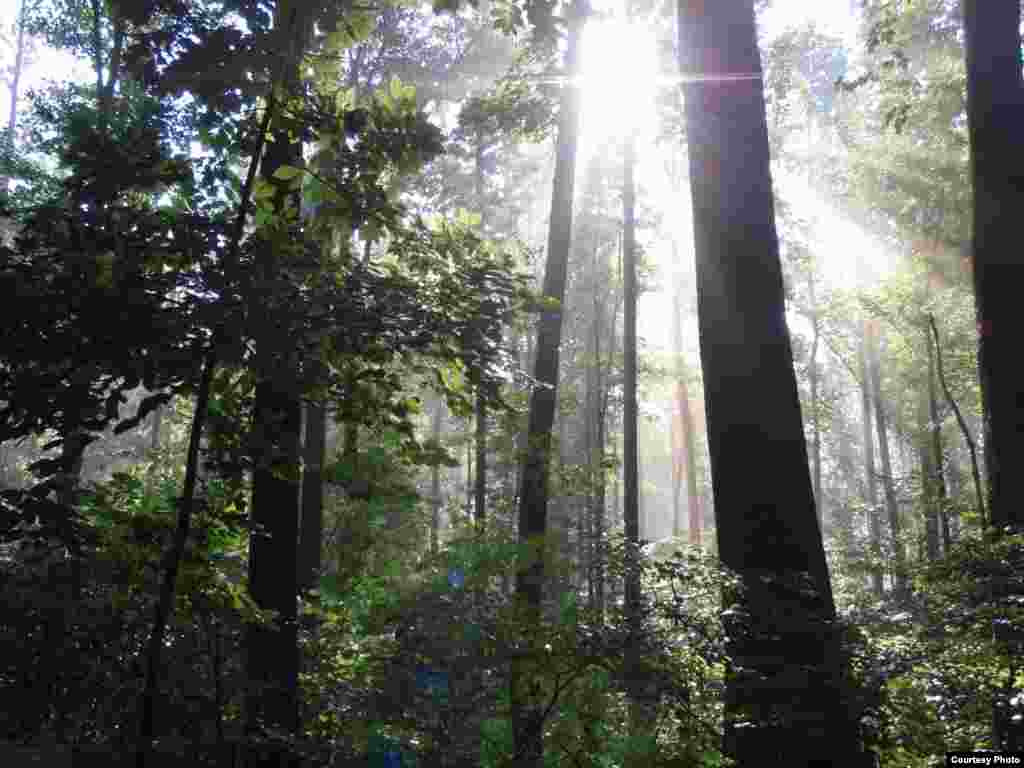
Six months ago, a cornfield covered this terrain. Today, it is the BiodiversiTree project, with 24,000 stick-like year-old trees. By next spring, if everything goes as planned, 35,000 trees will cover 10 fields.
“We're trying to figure out whether or not an ecosystem with lots of species functions any better or worse than an ecosystem with only a few species,” said senior scientist John Parker, who developed the plan.
Prior smaller-scale research suggests diversity matters because it reduces pests and makes trees healthier. But Parker wondered if he would find the same result if he looked at an entire forest over the long-term.
Sum of the parts
The 100-year BiodiversiTree project calls for 125 plots with one, four or 12 species each. Marked off in the field by tall white poles, Parker says each provides a unique research opportunity.
“In many cases what we are seeing is a decline in native species, and then the question is, well, does that mean anything?" Parker said. "Can other species fill that role of that missing species or does each species do something a little bit different such that the sum of the parts is more than the whole?”
The BiodiversiTree Project
1/12Prior to the massive BiodiversiTree project, this field was used to grow corn for 35 years. (SERC)
Scientists at the Smithsonian Environmental Research Center are planting a massive experimental forest for a long-term research project called BiodiversiTree.
Show moreShow less
2/12When the experimental forest is fully planted it will add some 35,000 trees to the landscape divided among 125 study plots.
Scientists at the Smithsonian Environmental Research Center are planting a massive experimental forest for a long-term research project called BiodiversiTree.
Show moreShow less
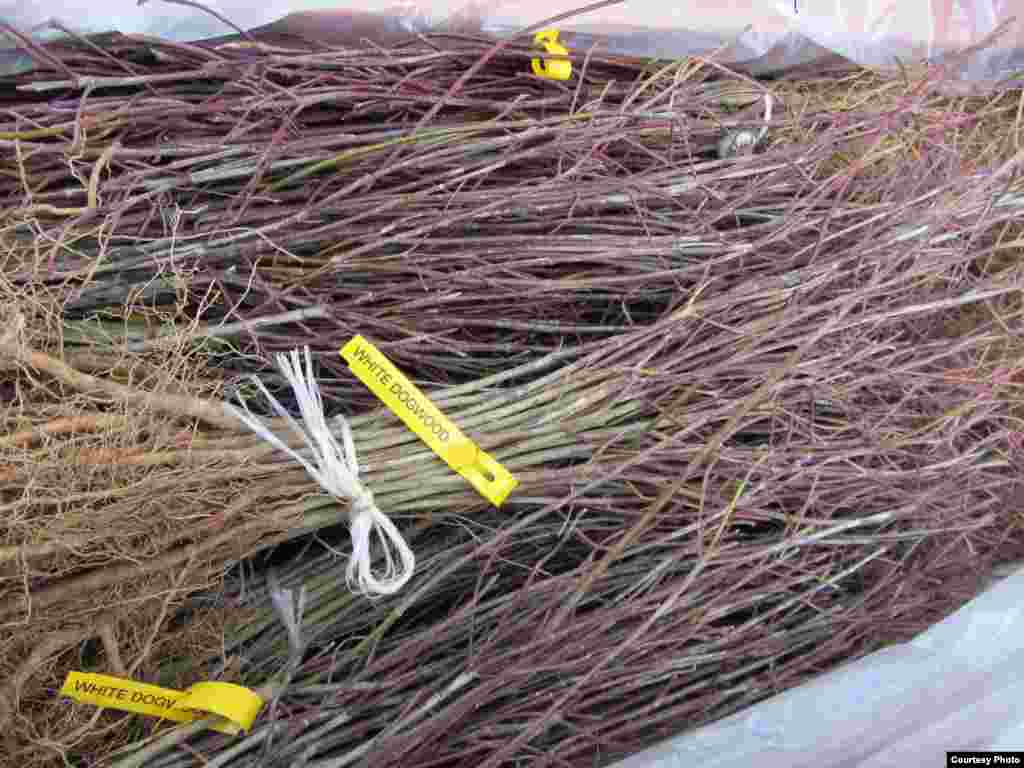
3/12BiodiversiTree includes 16 tree species native to North America, including this White Dogwood. (SERC)
Scientists at the Smithsonian Environmental Research Center are planting a massive experimental forest for a long-term research project called BiodiversiTree.
Show moreShow less
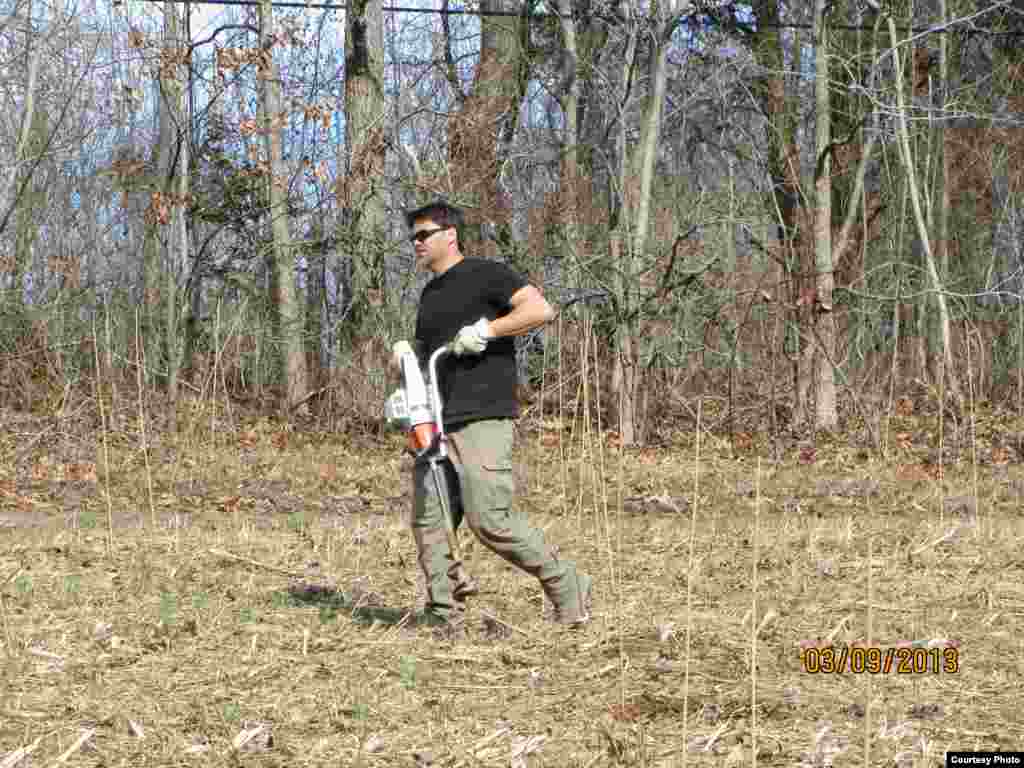
4/12 Senior scientist John Parker dug 24,000 holes in the first phase of forest planting. Parker says it took about 30 seconds a hole, then another minute or so to fill in the dirt. (SERC)
Scientists at the Smithsonian Environmental Research Center are planting a massive experimental forest for a long-term research project called BiodiversiTree.
Show moreShow less
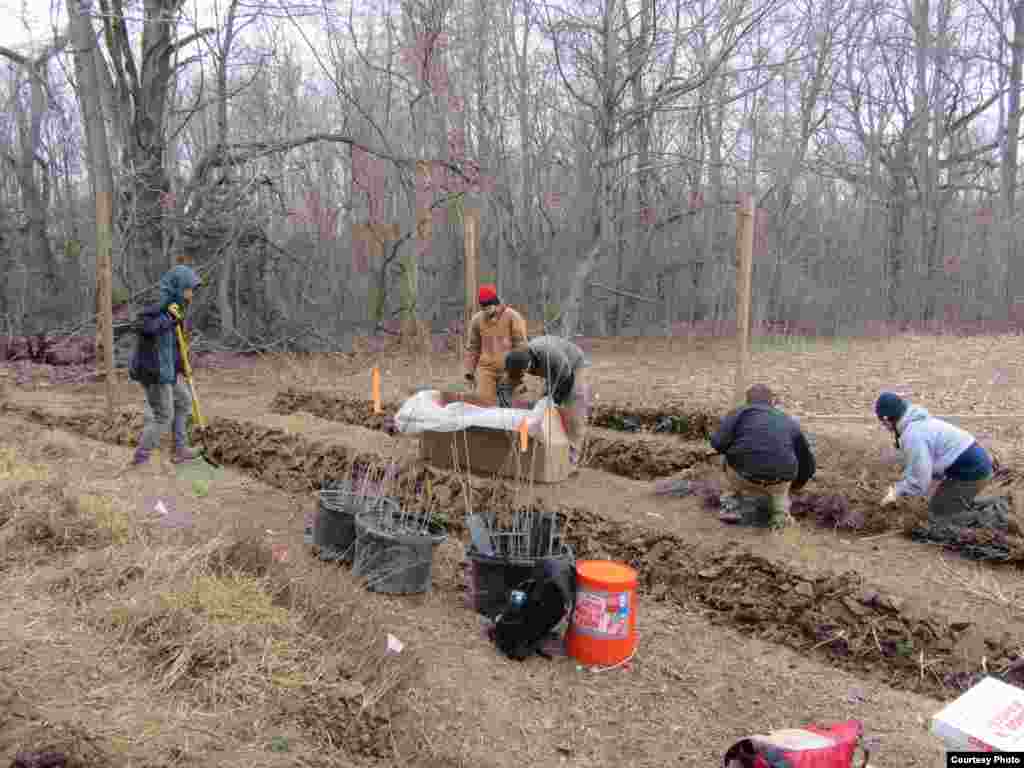
5/12 Some 100 volunteers joined Smithsonian scientists at the Environmental Research Center to plant the trees according to a precise plan. (SERC)
Scientists at the Smithsonian Environmental Research Center are planting a massive experimental forest for a long-term research project called BiodiversiTree.
Show moreShow less
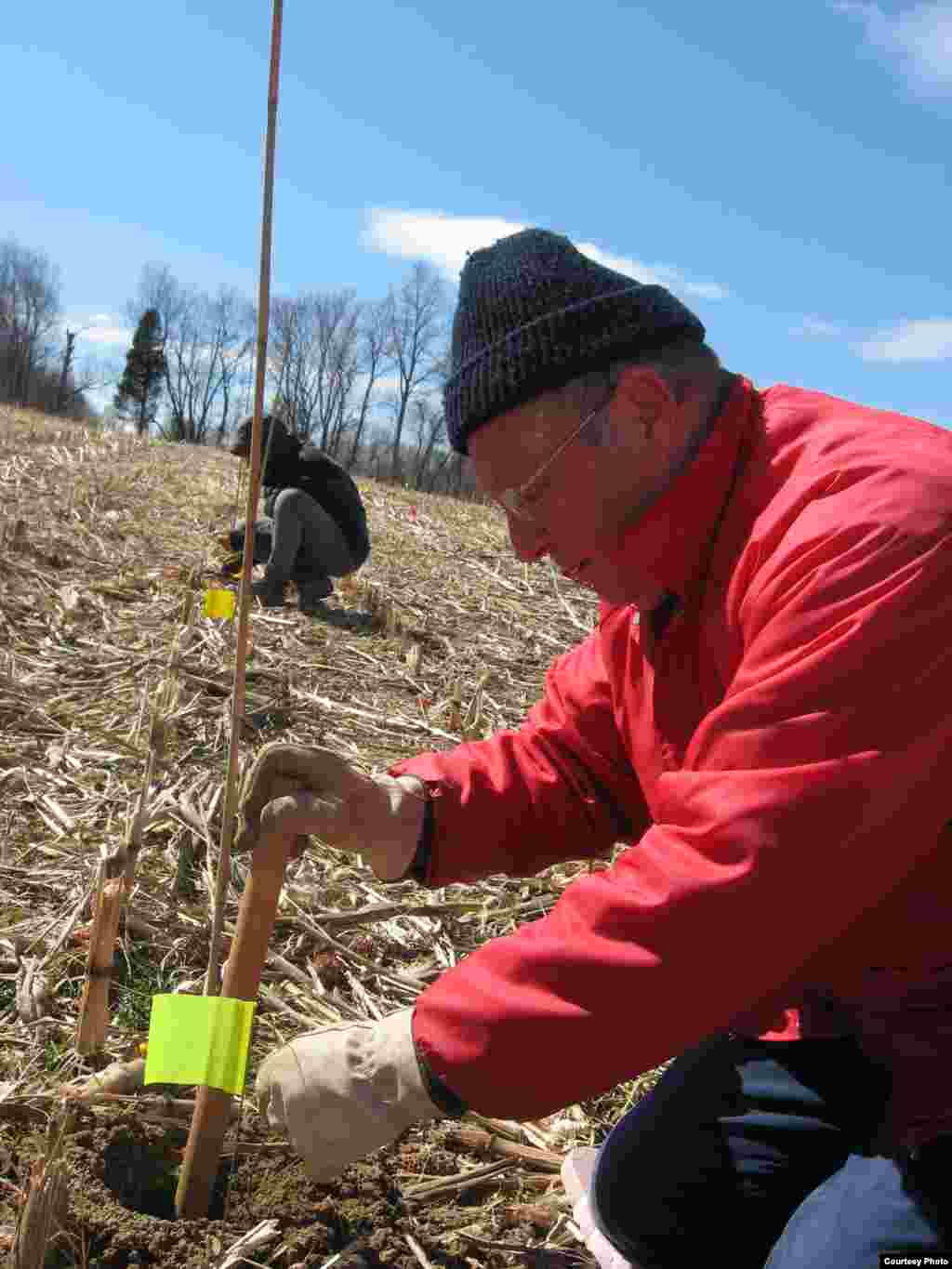
6/12Volunteer Phil Bishop planted 600 trees himself and will be back next season to plant more. (SERC)
Scientists at the Smithsonian Environmental Research Center are planting a massive experimental forest for a long-term research project called BiodiversiTree.
Show moreShow less
7/12Fields are flagged to indicate which species go into which hole. The markers also helped prevent trees from being mowed over. (SERC)
Scientists at the Smithsonian Environmental Research Center are planting a massive experimental forest for a long-term research project called BiodiversiTree.
Show moreShow less
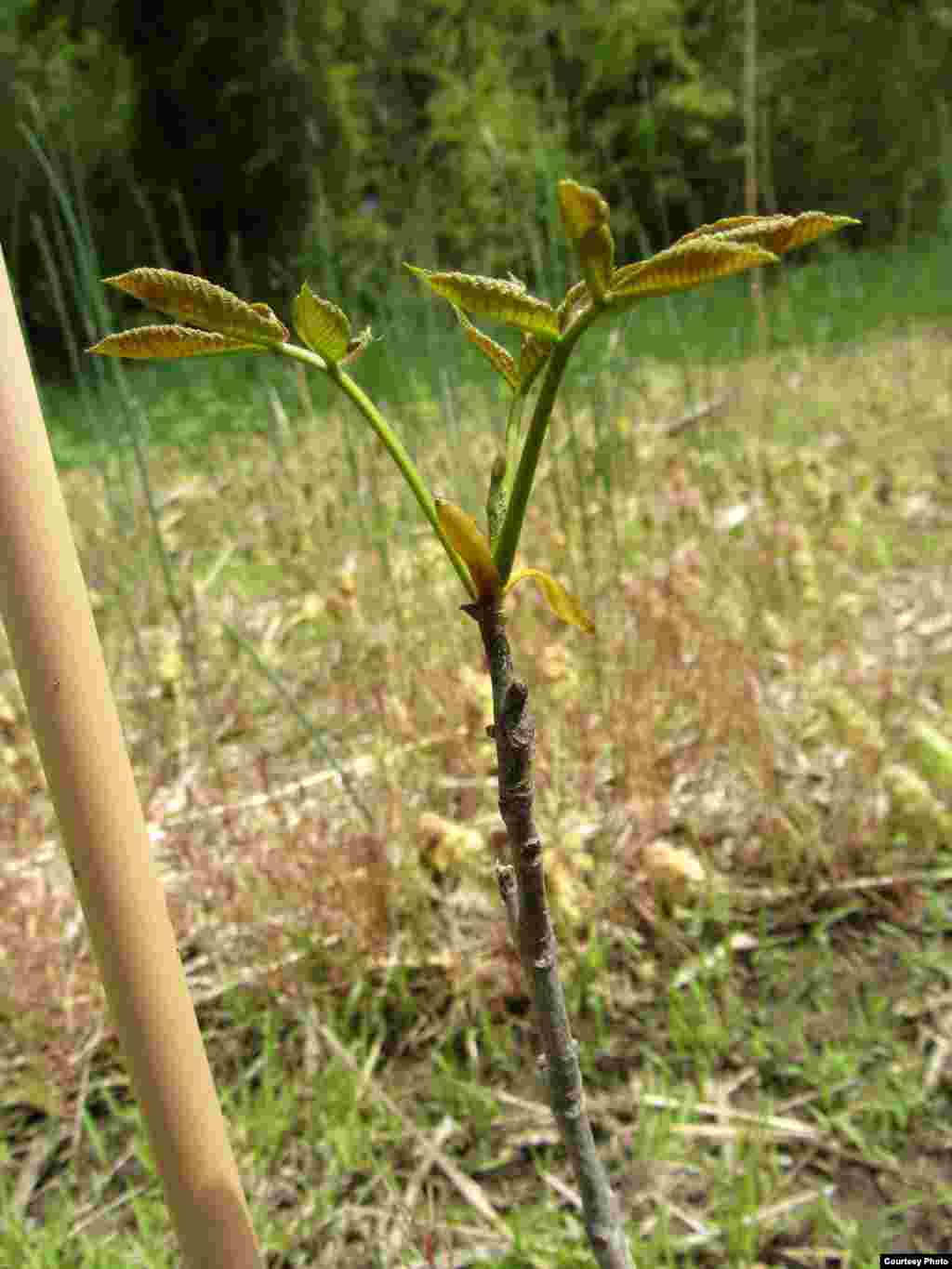
8/12This hickory sapling is off to a healthy start in the 100-year forest project. (SERC)
Scientists at the Smithsonian Environmental Research Center are planting a massive experimental forest for a long-term research project called BiodiversiTree.
Show moreShow less
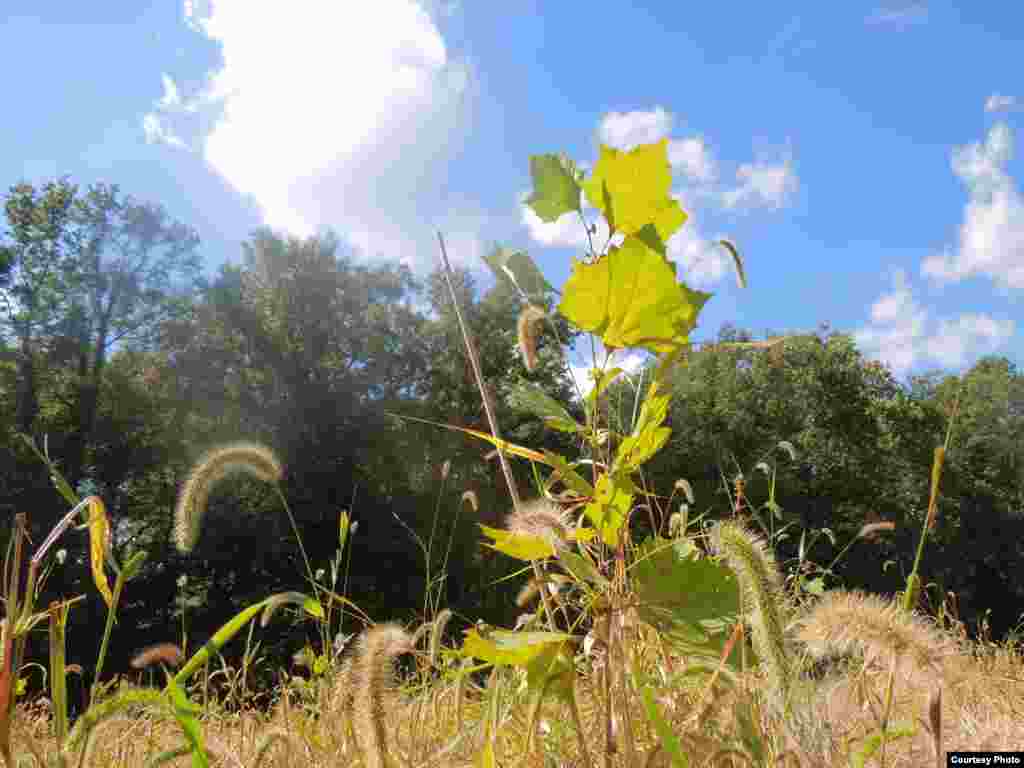
9/12Whether or not this Sycamore survives, scientists will use the long-term data to chart changes in the forest landscape. (SERC)
Scientists at the Smithsonian Environmental Research Center are planting a massive experimental forest for a long-term research project called BiodiversiTree.
Show moreShow less
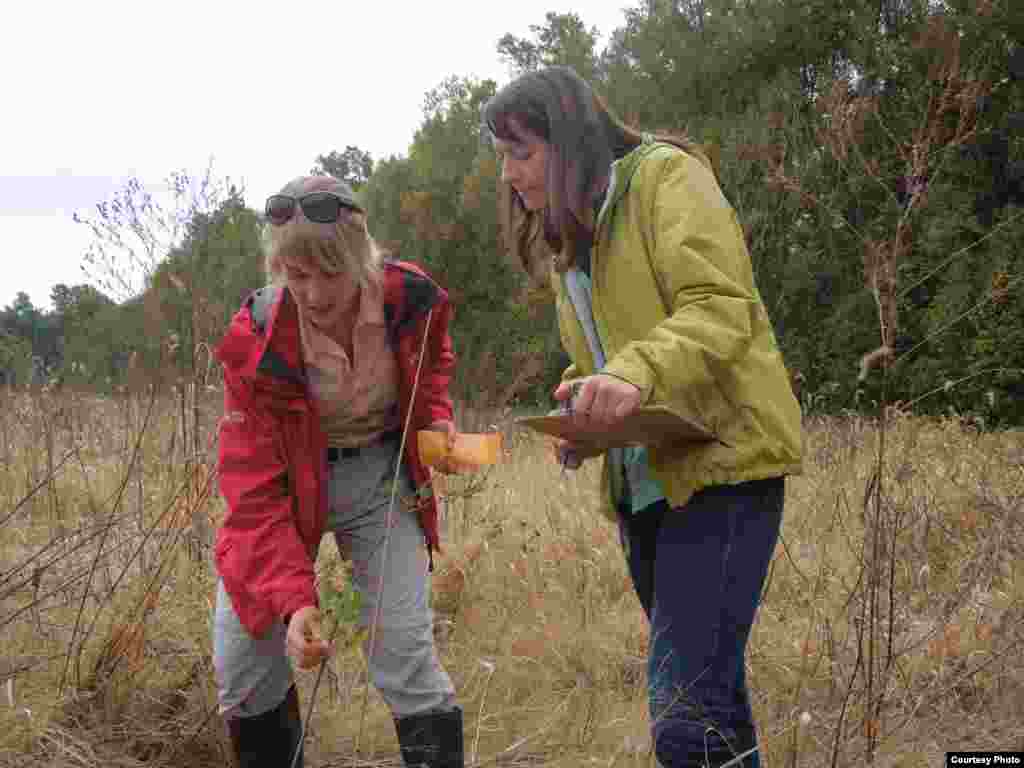
10/12Smithsonian fellow Susan Cook-Patton and intern Emily DuBois gather data on insect damage at the end of the first growing season. (SERC)
Scientists at the Smithsonian Environmental Research Center are planting a massive experimental forest for a long-term research project called BiodiversiTree.
Show moreShow less
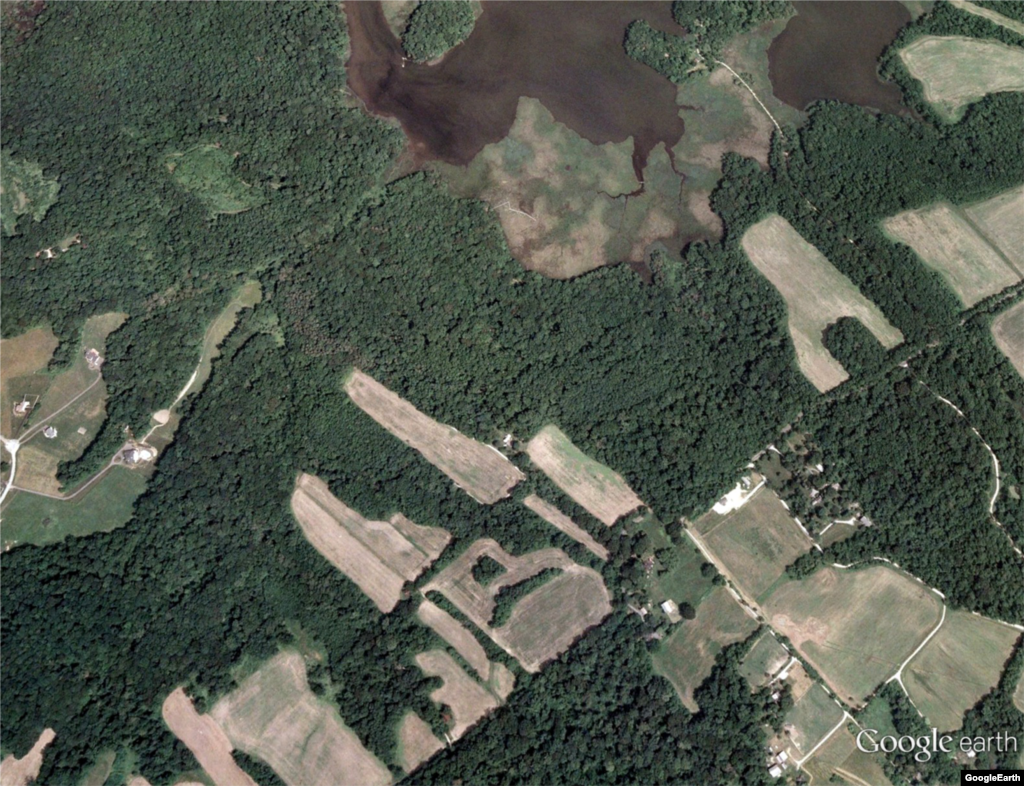
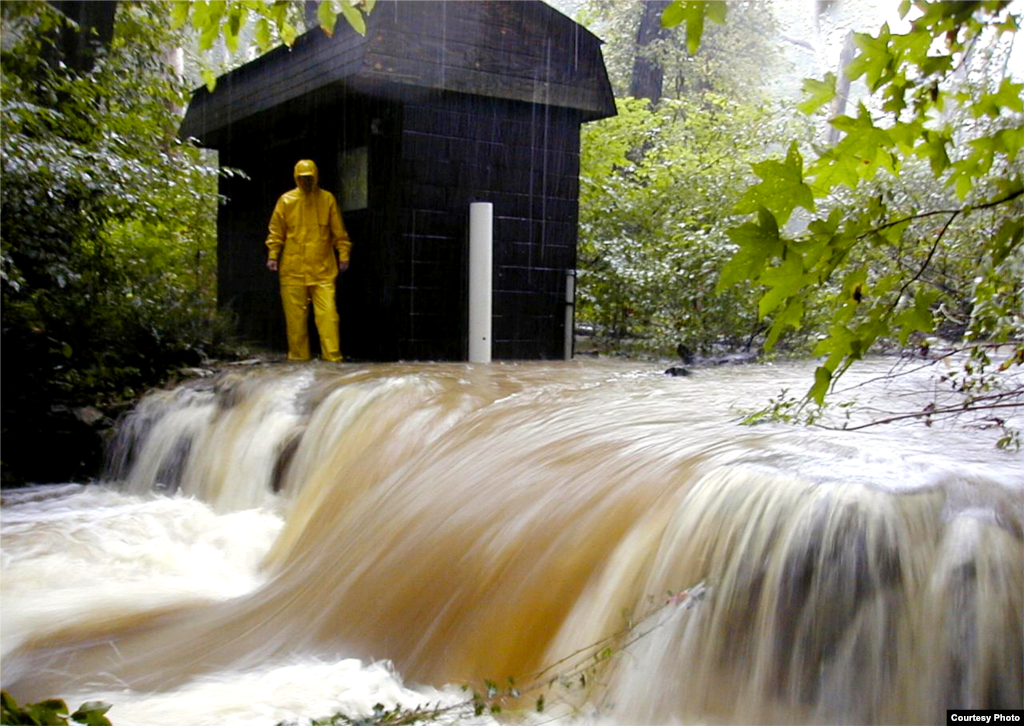
11/12This stream at the base of the BiodiversiTree project is part of the Chesapeake Bay, the largest estuary in the United States that brings fresh water to millions of people on the East Coast of the United States. (SERC)
Scientists at the Smithsonian Environmental Research Center are planting a massive experimental forest for a long-term research project called BiodiversiTree.
Show moreShow less
12/12These mature trees near the experimental forest give a hint at what some of the trees will look like as they mature. (SERC)
Scientists at the Smithsonian Environmental Research Center are planting a massive experimental forest for a long-term research project called BiodiversiTree.
Show moreShow less
Previous slide
Next slide
While BiodiversiTree has a century to supply the answers, studies are beginning now. The area sits beside forested land and near a stream that flows into the Chesapeake Bay, the nation’s largest estuary and a valuable natural resource that provides fresh drinking water for millions of people.
“One of the big concerns over the last half century or so is that water quality in the Chesapeake Bay is getting worse,” Parker said.
That problem is exacerbated by nutrient runoff from decades of farming in the mid-Atlantic region.
“What our study is doing is we take those 35 years of pre-data," Parker said. "We put a forest in. Now we can compare what happens when you had corn versus what happens when you have a native forest planted in this diverse arrangement. If we plant even more of that watershed with forest, do we take out even more of those nutrients?”
Changing landscape
Smithsonian Research Fellow Susan Cook-Patton, who helped design BiodiversiTree, gathers leaf samples with intern Emily Dubois.
“We are interested in how the insects are eating the leaves now," Cook-Patton said. "And we are also looking at traits that the leaves have to see if there are some types of species that have things that make the leaves less palatable, like if they are really tough or if they are really fuzzy those types of leaves will get less consumed by insects.”
“If you do not have a baseline, you really do not know what you have lost or gained in the future," she said. "So if you can have a snapshot in time and move forward from there, you can actually learn a lot more than if we keep doing an experiment in two years, in 10 more years in the future we do another one short term experiment. So, scientifically, that's incredible.”
Physically, it is incredible, too. Over the course of five weeks, about 100 volunteers helped Parker and his staff plant the 24,000 trees. Phil Bishop, who managed a computer center before he retired, figures he single-handedly planted 500 or 600 of them. While his knees are a bit weary, he is glad to help out.
“I decided that I could make a contribution here, and that is really what I wanted to do was to be part of a program," Bishop said. "I will not see any results out of this more than likely, given my age and everything else.”
But, he adds, volunteering is good for the soul and in the case of BiodiversiTree, good for the soil, too.