Egypt Says Ancient Colossus Pulled from Slum Likely Not Ramses
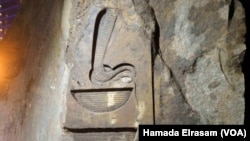
A close-up of the carvings found on the colossus discovered few days ago that almost certainly depicts Psamtik I in the Egyptian Museum Cairo, March 14, 2017. (H. Elrasam/VOA)
CAIRO —
A massive eight-meter statue discovered in the ground water of a Cairo slum this month is likely not a depiction of the revered Pharaoh Ramses II as first believed, Antiquities Minister Khaled Al-Anani said on Thursday.
The colossus is instead thought to be of King Psammetich I, who ruled from 664 to 610 BC and, if confirmed, would be the largest statue of the Late Period ever discovered.
Egyptian and German archaeologists found the statue in the working class area of Matariya among unfinished buildings and mud roads, but near the ruins of Ramses II's temple in the ancient city of Heliopolis.
WATCH: Egypt colossus in photos
Egypt Pulls Ancient Colossus from Slum
1/10The colossus discovered recently in Matarya almost certainly depicts Psamtek I, who ruled Egypt between 664 and 610 B.C., on display in the garden of the Egyptian Museum in Cairo, March 16, 2017. (H. Elrasam/VOA)
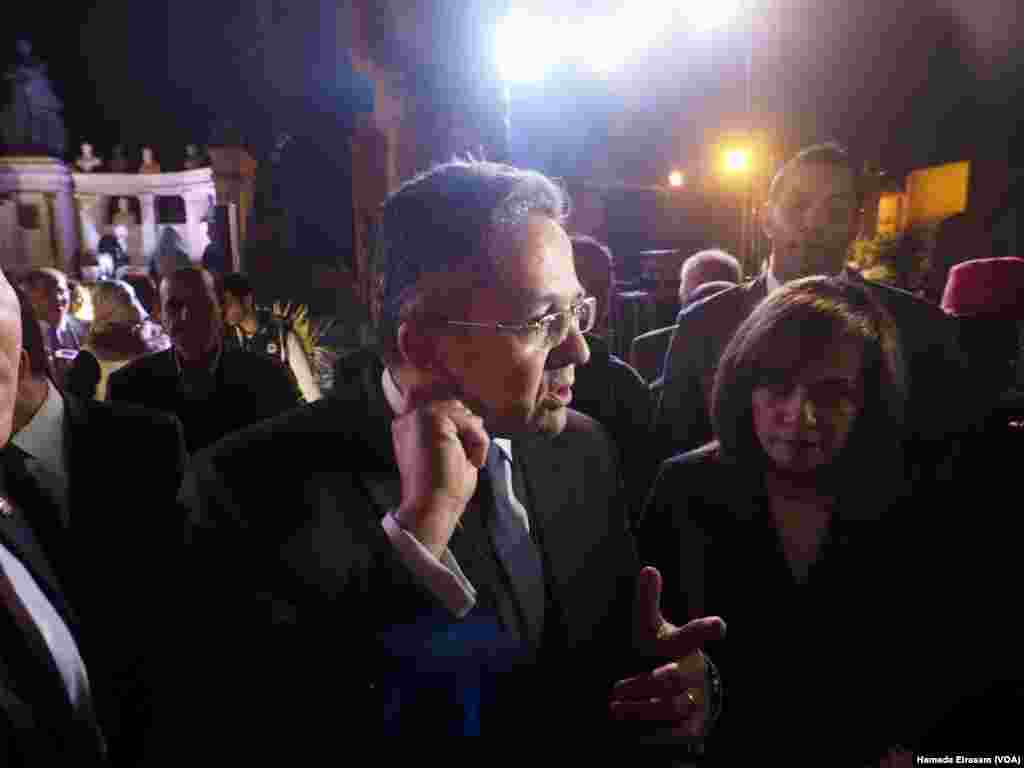
2/10Egyptian Minister of Antiquities Khaled Al-Anany stands next to the colossus discovered recently in Matarya before unveiling it in the garden of the Egyptian Museum in Cairo, March 16, 2017. (H. Elrasam/VOA)
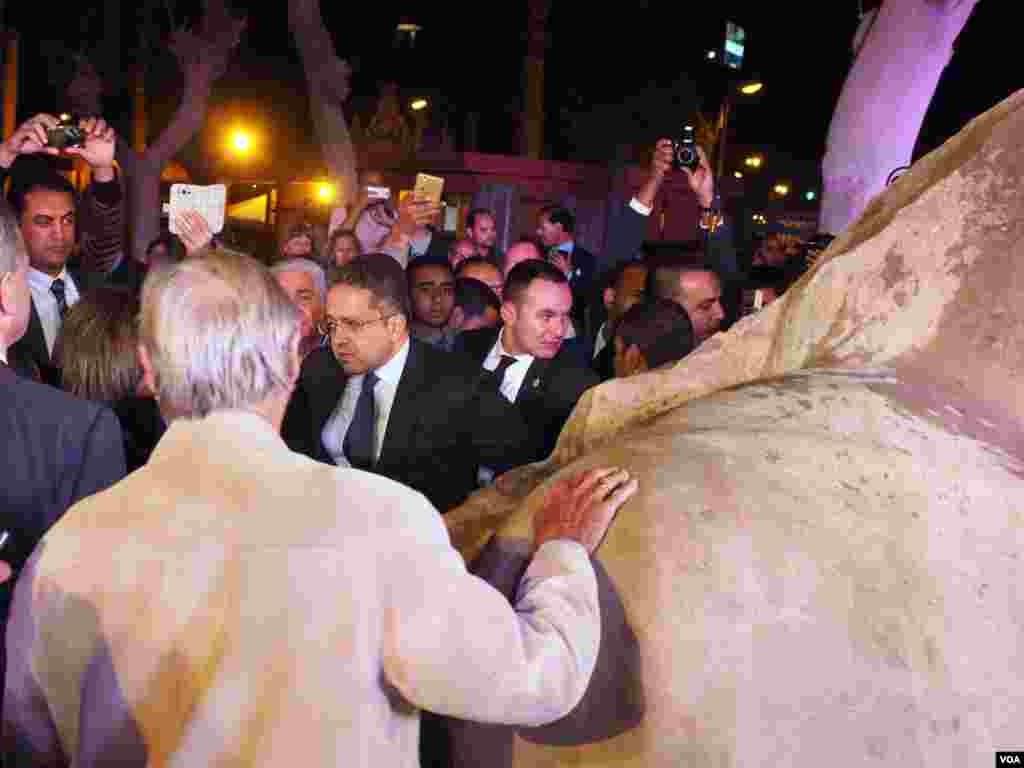
3/10A close-up of the carvings found on the colossus discovered few days ago that almost certainly depicts Psamtik I in the Egyptian Museum Cairo, March 16, 2017. (H. Elrasam/VOA)
4/10An Egyptian child takes an image of the carving found on the back of the statue that was discovered recently in Matarya that almost certainly depicts Psamtik I, March 16, 2017. (H. Elrasam/VOA)
5/10The Egyptian antiquities minister describes to media the features found in the ear, eye, face and the body of the colossus that depicts Psamtik I, March 16, 2017. (H. Elrasam/VOA)
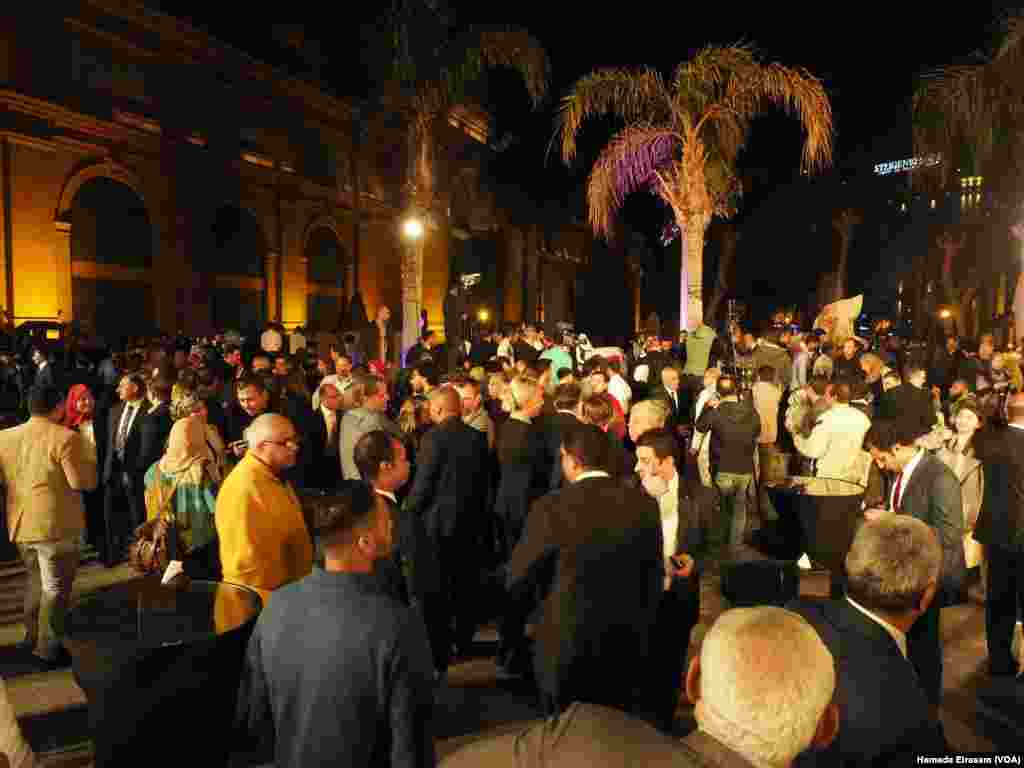
6/10Crowds of ambassadors, tourists and Egyptian visitors gather at the garden of the Egyptian Museum to see the colossus discovered recently in Matarya, which almost certainly depicts Psamtik I, March 16, 2017. (H. Elrasam/VOA)
7/10Egyptian Antiquities Minister Khaled Al-Anany shows the foreign ambassadors and culture attaches the carves that indicates the statue to be Psamtik I, March 16, 2017. (H. Elrasam/VOA)
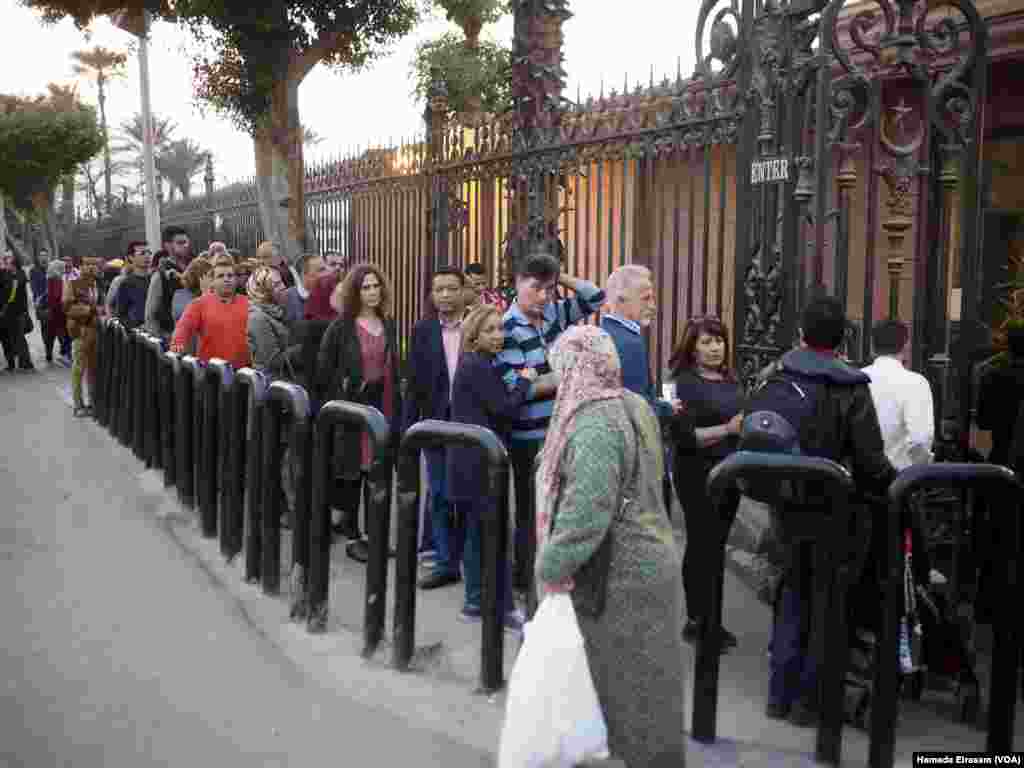
8/10Groups of Western tourists line up to enter the Egyptian Museum. The colossus discovered recently in Matarya has been unveiled by the Egyptian minister of antiquities, March 16, 2017. (H. Elrasam/VOA)
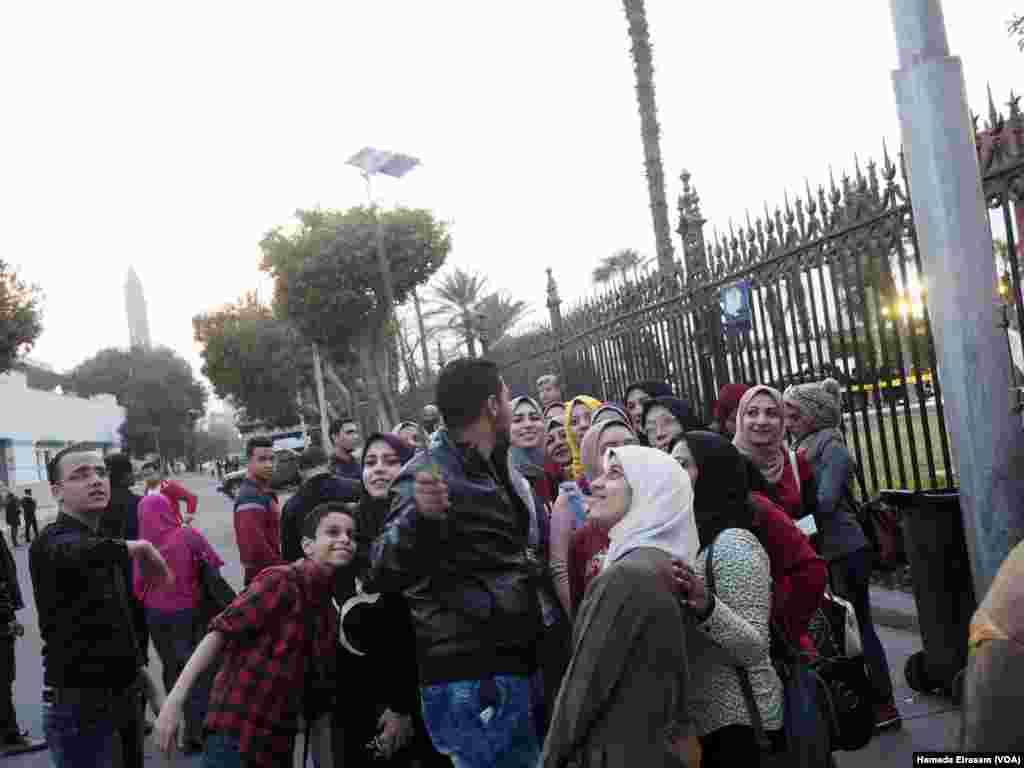
9/10Egyptians pose for a selfie before entering the Egyptian Museum, March 16, 2017. (H. Elrasam/VOA)
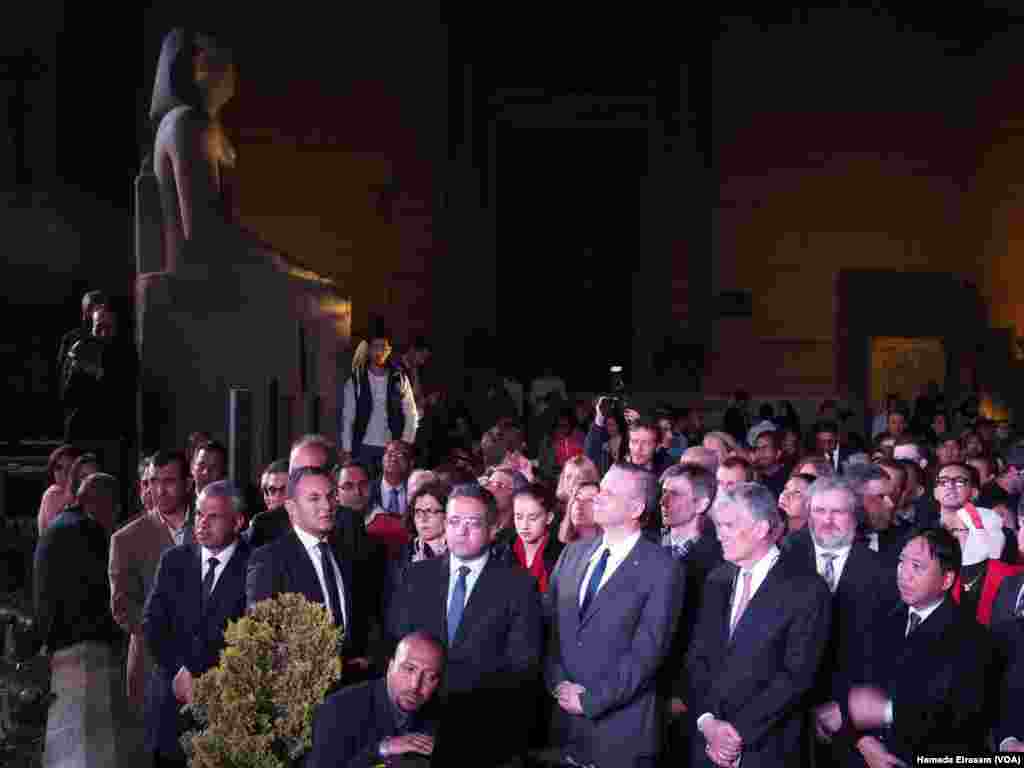
10/10The Egyptian minister of antiquities, foreign ambassadors and culture attaches stand in the garden of the Egyptian Museum before the press conference in Cairo, March 16, 2017. (H. Elrasam/VOA)
Previous slide
Next slide
It was initially hailed by the Antiquities Ministry as among the most important discoveries to date on the basis that it depicted Ramses the Great, the most powerful and celebrated ruler of ancient Egypt.
After examining pieces of the 8-meter statue however, Anani said its characteristics pointed to a different time.
"When the head was lifted, we started to find some features which are characteristic for other periods," he told a news conference.
A key piece of evidence is the name "Nebaa" inscribed on the statue.
"The only pharaoh who got his name 'Nebaa', is Psammetich I.
He's a pharaoh of the 26th dynasty," said Anani.
Egypt is hoping renewed interest in its ancient past could be a boon for its tourism industry, a vital source of foreign currency that has suffered many setbacks since the uprising that toppled autocrat Hosni Mubarak in 2011.
Despite the statue's clues, Anani said it could take months to determine with 100 percent certainty which historical figure it depicts as archaeologists search for additional fragments.

Reuters is a news agency founded in 1851 and owned by the Thomson Reuters Corporation based in Toronto, Canada. One of the world's largest wire services, it provides financial news as well as international coverage in over 16 languages to more than 1000 newspapers and 750 broadcasters around the globe.