Protected by Russia, Abkhazia Cautiously Reaches Out to Georgia - (Video by Austin Malloy)
SUKHUMI, ABKHAZIA —
In the aftermath of the 2008 Russia-Georgia war, Russia recognized Abkhazia, a breakaway region of Georgia, as a fully independent country. Then, Moscow funneled half a billion dollars into Russian air, naval and border defense bases in Abkhazia, an entity almost the size of Kosovo.
Five years after this Russian-imposed peace, a quiet self-confidence is settling over this subtropical land on the Black Sea Coast.
People speak Russian, use Russian rubles, carry Russian passports and receive Russian pensions. The only train goes north to the Russian city of Sochi, and, ultimately, to Moscow.
Reflecting this new stability, two million Russian tourists this year are expected to visit this land of coastal resorts, rushing rivers and forest-clad Caucasus mountains.
In Sukhumi, Abkhazia’s coastal capital, Izida Chania edits Nujnaya Gazeta, a weekly newspaper.
"In the summer it’s really difficult to find a place to stay in a hotel," she said in her office, across the street from a high-rise bombed out during the war. "The resorts and hotels don’t have enough space to fully accommodate the amount of tourist that come to Abkhazia."
Abkhazia, Once Called the "Russian Riveria"
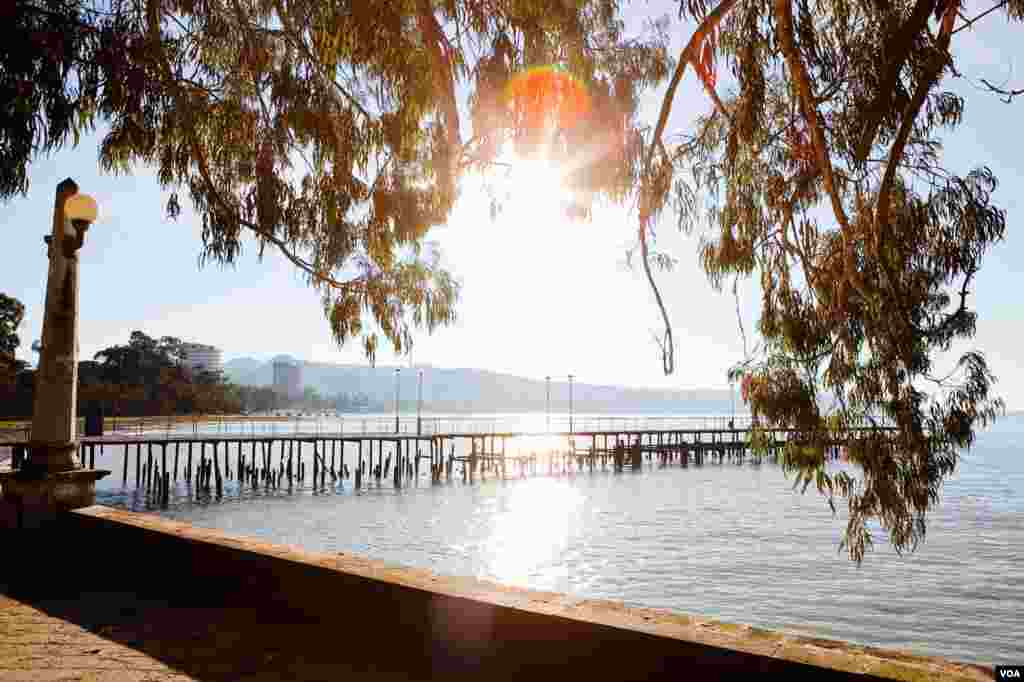
1/13The sun sets over a pier and the waterfront quay in the Black Sea port of Sukhumi, a landscape that prompted early 20th century painters and vacationers to call Abkhazia ‘the Russian Riviera.’ (V. Undritz/VOA)
In the aftermath of the 2008 Russia-Georgia war, Russia recognized Abkhazia, a breakaway region of Georgia, as a fully independent country.
Show moreShow less
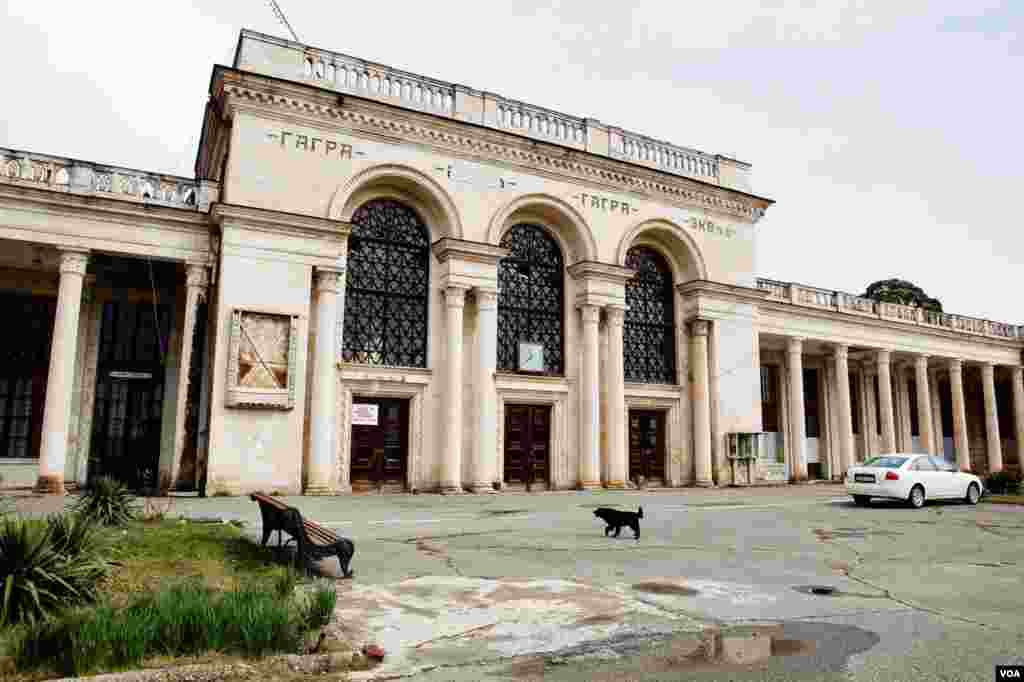
2/13Gagra train station was built to welcome Soviet leader Joseph Stalin who vacationed at a villa on the shores of Lake Ritsa, high in the Caucasus Mountains. (V. Undritz/VOA)
In the aftermath of the 2008 Russia-Georgia war, Russia recognized Abkhazia, a breakaway region of Georgia, as a fully independent country.
Show moreShow less
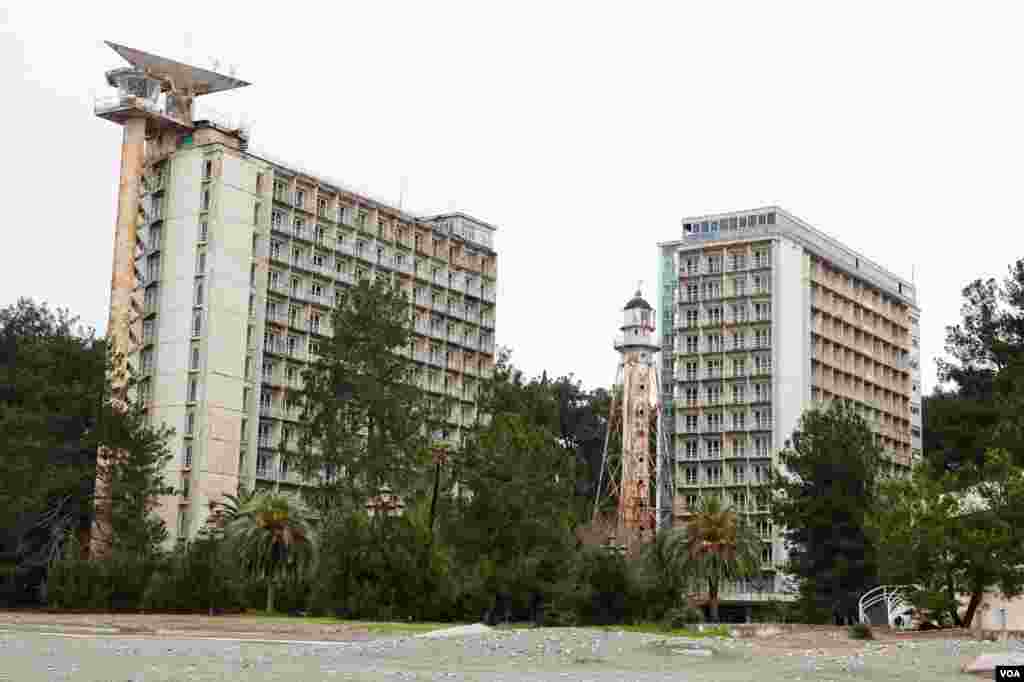
3/13At Pitsunda, an observation deck and disco entertained 1970's vacationers from East Germany, Poland and Czechoslovakia.(V. Undritz/VOA)
In the aftermath of the 2008 Russia-Georgia war, Russia recognized Abkhazia, a breakaway region of Georgia, as a fully independent country.
Show moreShow less
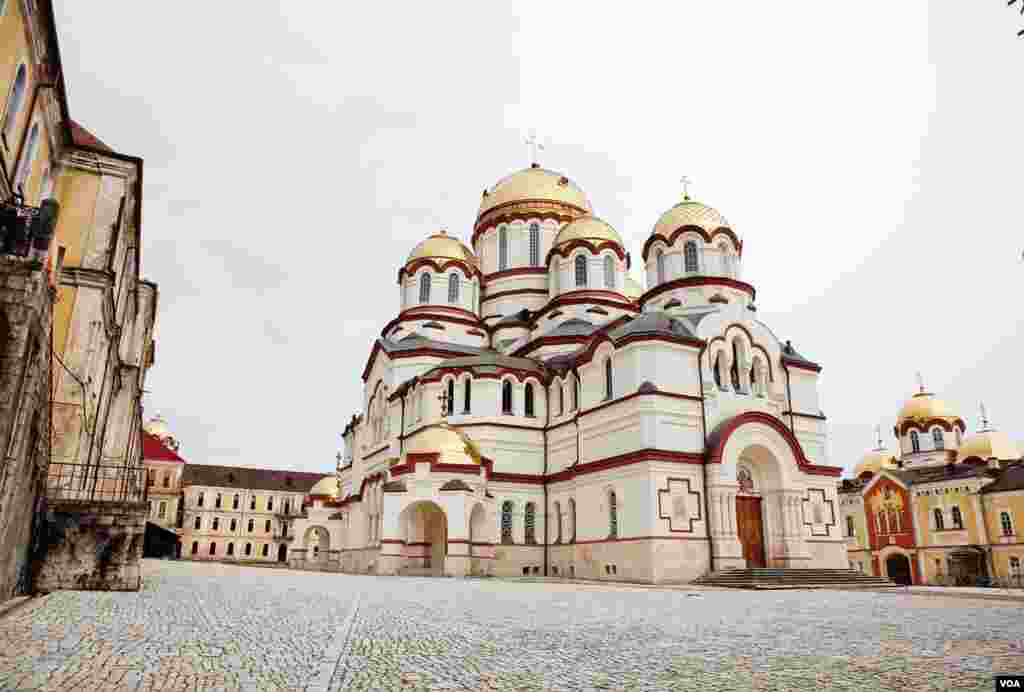
4/13Used as a warehouse during the Soviet era, New Athos Monastery how has newly restored gold domes and freshly painted white walls. It is the pride of contemporary Abkhazia. (V. Undritz/VOA)
In the aftermath of the 2008 Russia-Georgia war, Russia recognized Abkhazia, a breakaway region of Georgia, as a fully independent country.
Show moreShow less
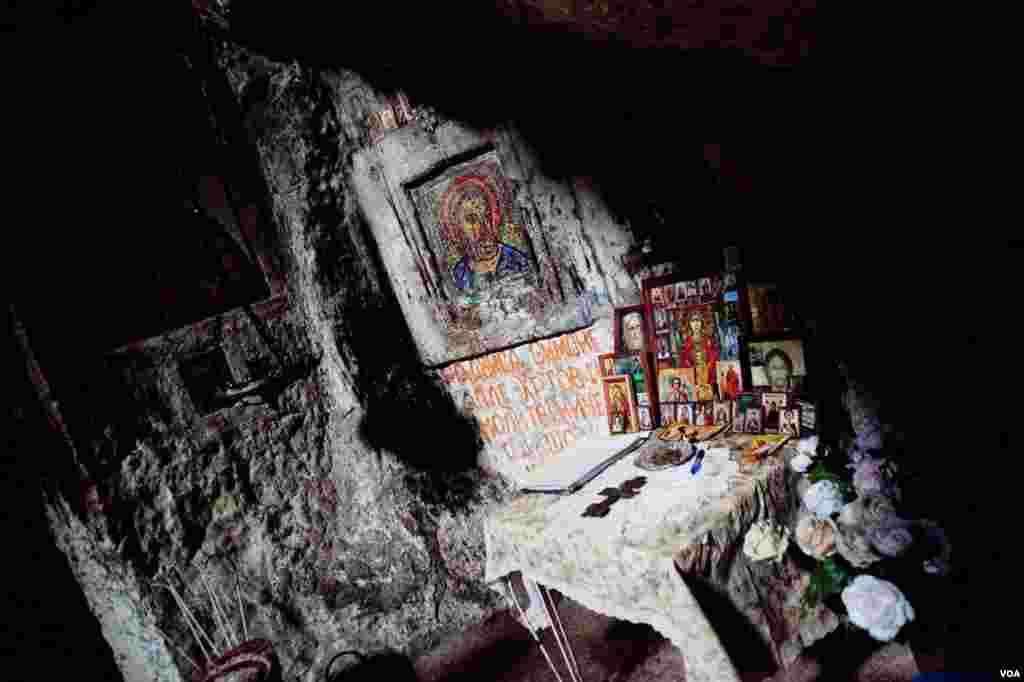
5/13Above the Monastery, Christian pilgrims have left icons in a mountainside grotto, where Simon the Zealot, one of the 12 Apostles, is believed to have lived. (V. Undritz/VOA)
In the aftermath of the 2008 Russia-Georgia war, Russia recognized Abkhazia, a breakaway region of Georgia, as a fully independent country.
Show moreShow less
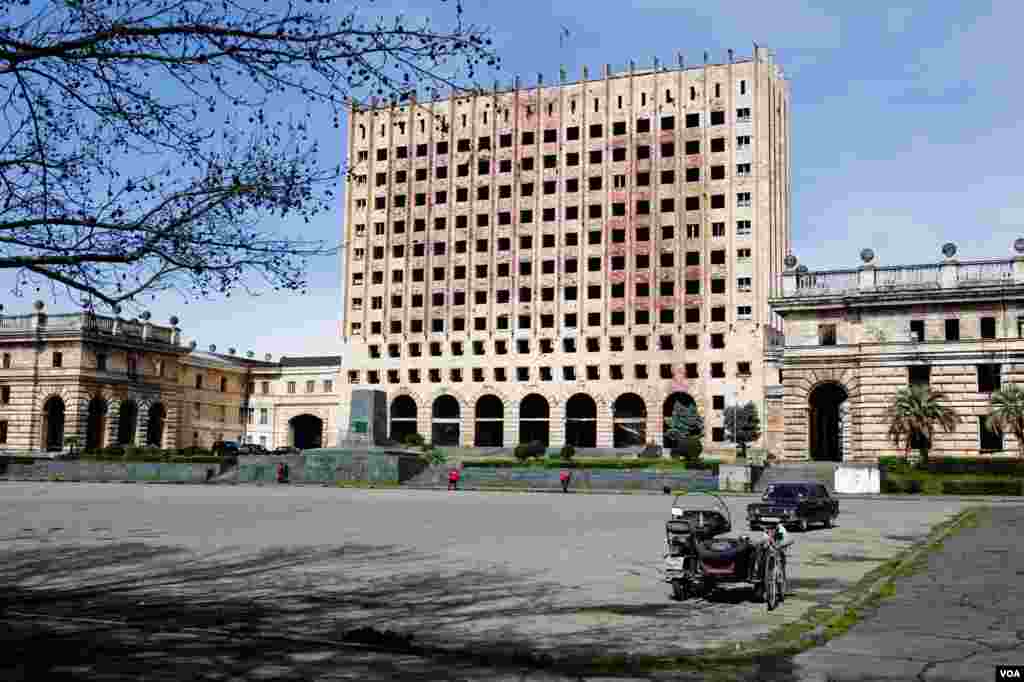
6/13Looming over Freedom Square in Sukhumi stands the bombed out ruin of the Georgian military’s last headquarters, untouched since they lost control of Abkhazia in the summer of 1993. (V. Undritz/VOA)
In the aftermath of the 2008 Russia-Georgia war, Russia recognized Abkhazia, a breakaway region of Georgia, as a fully independent country.
Show moreShow less
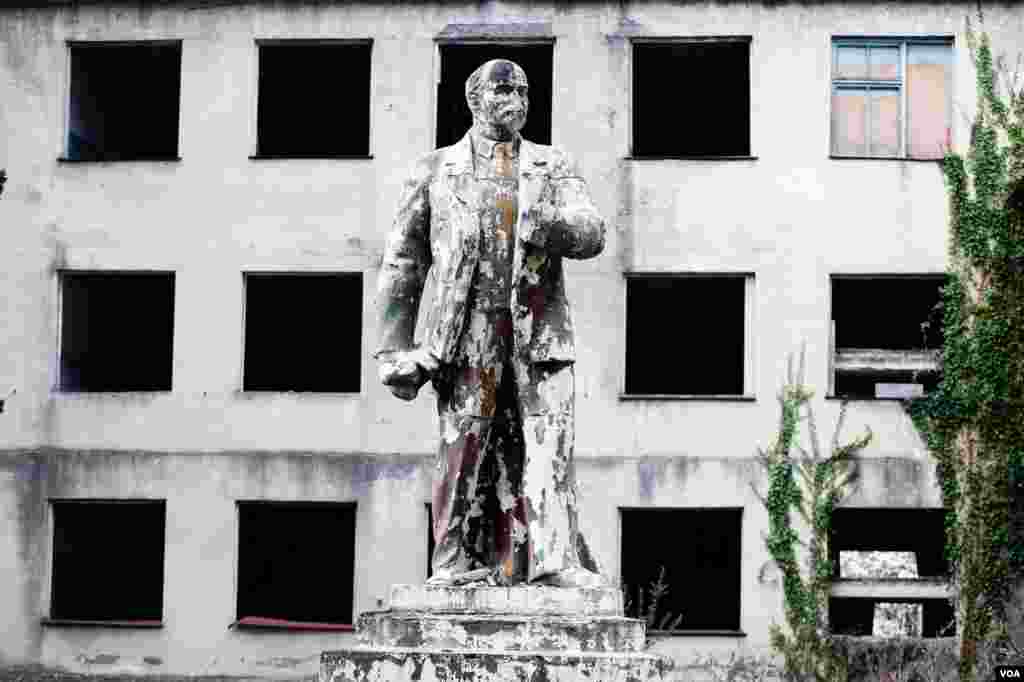
7/13Mold spreads over a Lenin statue standing outside the gutted shell of a Georgian language school in Bzipta, Abkhazia. (V. Undritz/VOA)
In the aftermath of the 2008 Russia-Georgia war, Russia recognized Abkhazia, a breakaway region of Georgia, as a fully independent country.
Show moreShow less
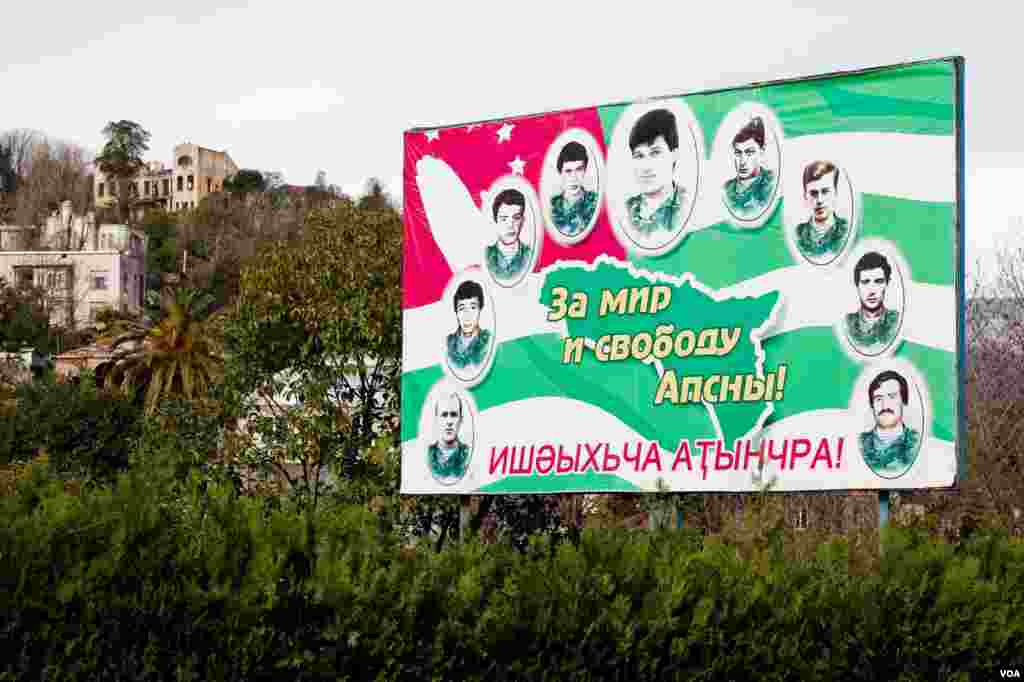
8/13Images of war heroes are superimposed on the Abkhaz flag, with the inscription in Russian and Abkhaz: “For the peace and freedom of Abkhazia!” (V. Undritz/VOA)
In the aftermath of the 2008 Russia-Georgia war, Russia recognized Abkhazia, a breakaway region of Georgia, as a fully independent country.
Show moreShow less
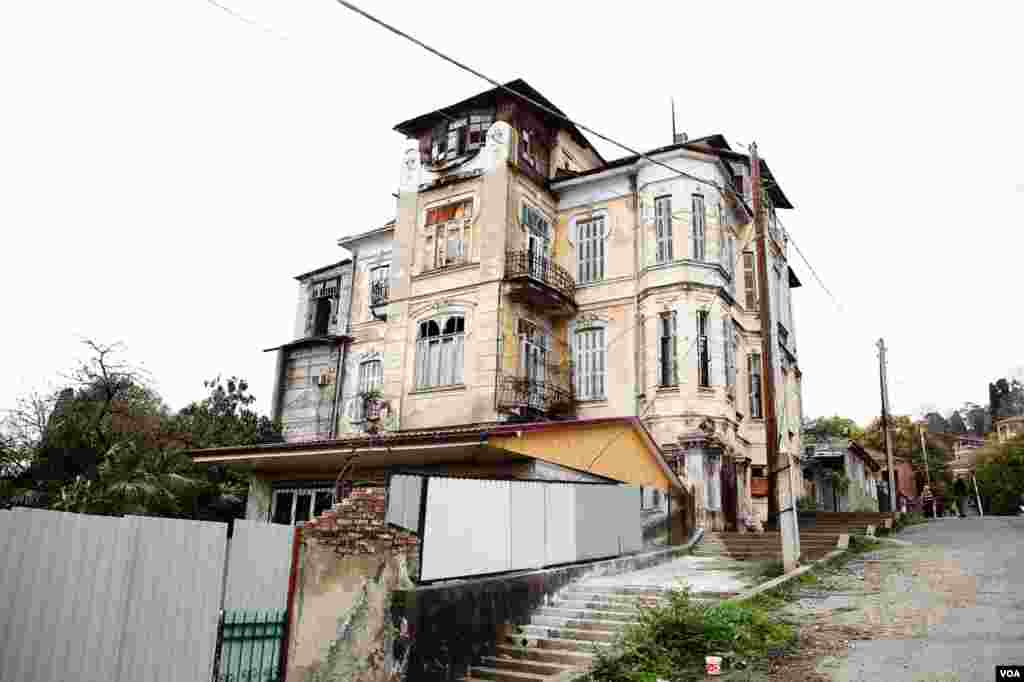
9/13A decaying hillside mansion, built in the Art Nouveau style, speaks of Sukhumi’s prosperous days as a Czarist era port and health cure sanatorium. (V. Undritz/VOA)
In the aftermath of the 2008 Russia-Georgia war, Russia recognized Abkhazia, a breakaway region of Georgia, as a fully independent country.
Show moreShow less
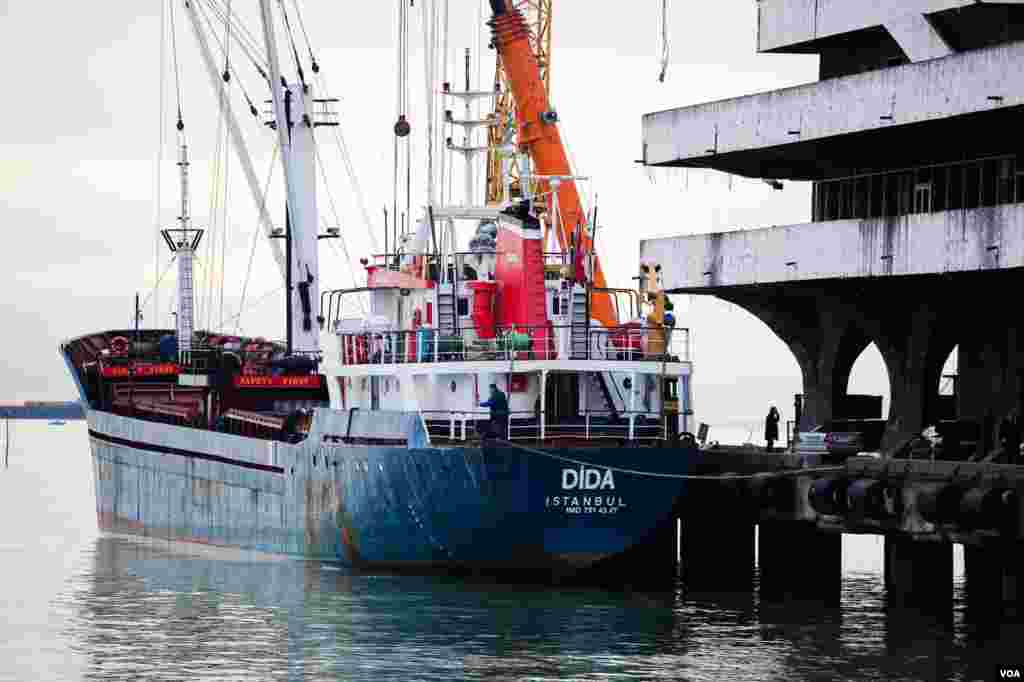
10/13A Turkish ship unloads cargo in Sukhumi. Georgian Navy patrol boats have largely stopped detaining Turkish ships that supply Abkhazia, an entity still viewed by almost all nations as legally part of Georgia. (V. Undritz/VOA)
In the aftermath of the 2008 Russia-Georgia war, Russia recognized Abkhazia, a breakaway region of Georgia, as a fully independent country.
Show moreShow less
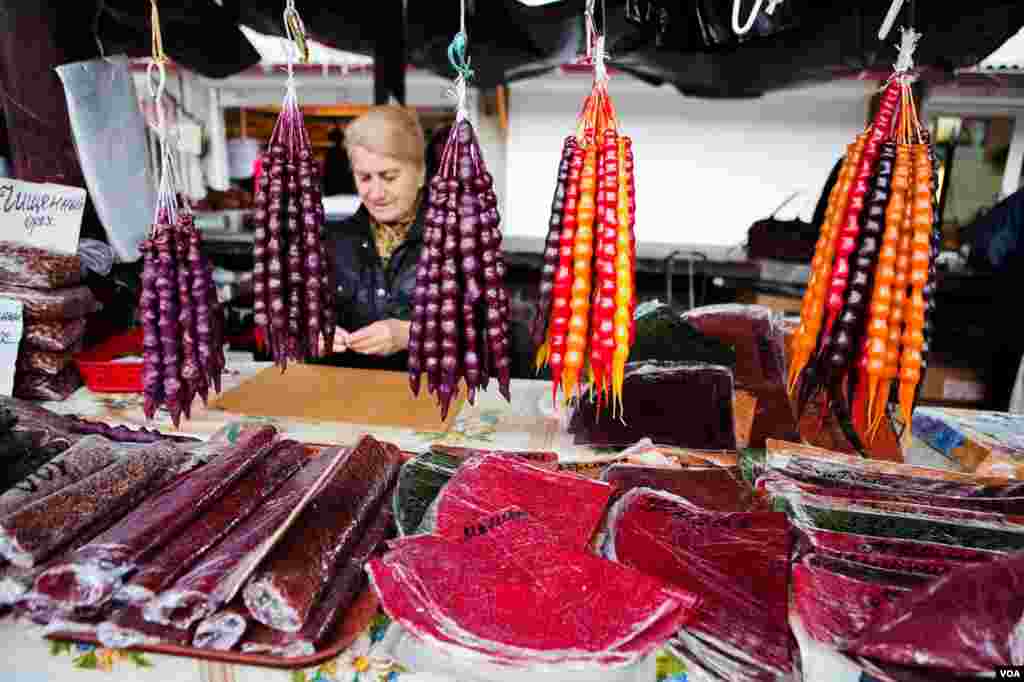
11/13Even off season, in March, local fruit products are for sale in Sukhumi’s Central Market. (V. Undritz/VOA)
In the aftermath of the 2008 Russia-Georgia war, Russia recognized Abkhazia, a breakaway region of Georgia, as a fully independent country.
Show moreShow less
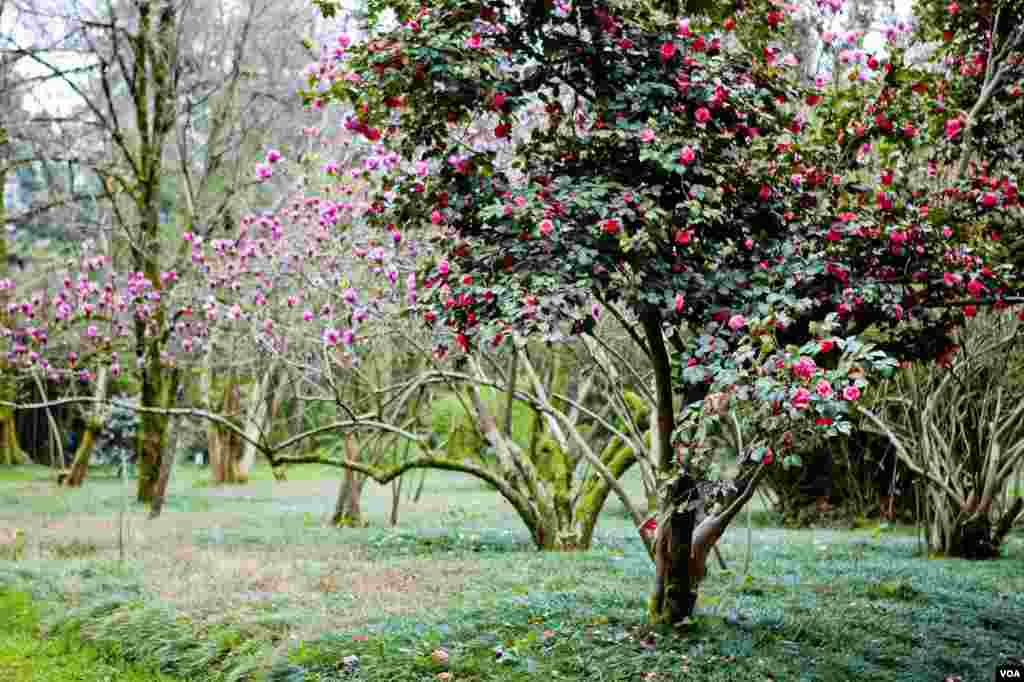
12/13The Sukhumi Botanical Garden was founded in 1840 to introduce tea and citrus to Czarist Russia’s new territories in the Caucasus. It was restored after the 1992-1993 war. (V. Undritz/VOA)
In the aftermath of the 2008 Russia-Georgia war, Russia recognized Abkhazia, a breakaway region of Georgia, as a fully independent country.
Show moreShow less
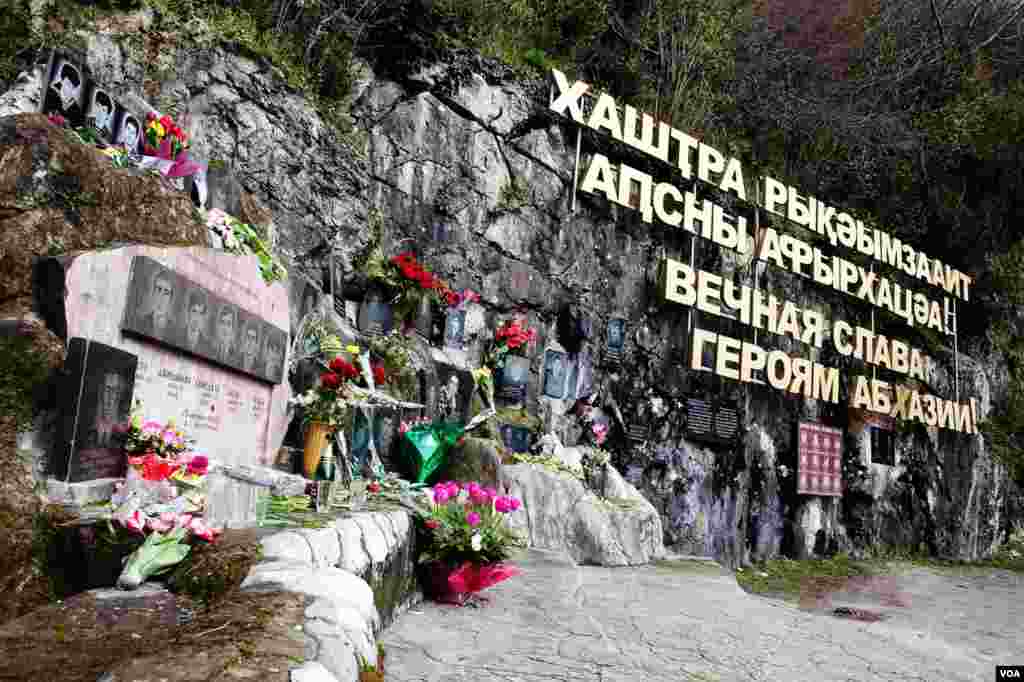
13/13“Eternal Glory to the Heroes of Abkhazia” proclaims a memorial to soldiers from Abkhazia and other Caucasian republics who died to win control over a key highway bridge into Sukhumi in 1993. (V. Undritz/VOA)
In the aftermath of the 2008 Russia-Georgia war, Russia recognized Abkhazia, a breakaway region of Georgia, as a fully independent country.
Show moreShow less
Previous slide
Next slide
But people here say they don’t live in the Russian Riviera, but in the independent nation of Abkhazia.
At Abkhaz State University, a hilltop campus where Russian aid is rebuilding the Soviet-era buildings, Beslan Baratelia teaches economics.
"Those people that survived the war and blockade aren’t here only because of economic reasons," he said, referring to the national pride among many students. "People don’t talk here about how in Russia or any other country the income is higher than Abkhazia. The talk is about how people, who survived the war and stayed until independence, value living in their homeland."
Everywhere, there are sign of Abkhazia’s successful 1992-1993 separatist war against Georgia. There are billboards hailing war heroes. There are the bombed out houses that were once homes to some of the 200,000 ethnic Georgians forced to flee Abkhazia after independence.
And, in Georgia, things also are changing after 20 years.
Bidzina Ivanishvili, Georgia’s new prime minister, is working to restore relations with Russia, Abkhazia’s patron.
Ivanishvili wants to restore rail service between Georgia and Abkhazia. In a signal to this breakaway republic, the Georgian leader is canceling military parades and renaming the Ministry of Reintegration - the Ministry of Reconciliation.
Some Georgians calculate that after the February, 2014 Winter Olympic Games in Sochi, Russia will have less use for Abkhazia, Sochi’s southern neighbor. For Russia, Abkhazia now serves as a convenient buffer state, protecting Olympic sites from direct proximity with Russia’s adversary in the August, 2008 war.
Viacheslav Chirikba, Abkhazia’s foreign minister, is cautious.
"We are getting used to new eras in Georgia," he said in an interview with VOA in Sukhumi. "Happily, we can look at it from a safe distance. It is not part of our political life any more, happily. Because it is a foreign country."
But, he added, Abkhazia plans to increase the number of border crossings with Georgia - from one today, to five by year’s end. Analysts say that, if Russia’s financial support for Abkhazia dwindles after the Olympics, Abkhazia will have an incentive to restore economic ties with Georgia.
"We are very responsive to any positive signals from Georgia," the foreign minister said. "And everything that is peaceful sounding is welcome, of course, in Abkhazia. We don’t want to be eternal enemies with Georgians."
With Russian military bases taking the threat of a Georgian invasion off the table, Abkhazians now seem to be looking at gradually normalizing relations with their long-time adversary.