TIRASPOL, TRANSDNIESTER —
Moldova and Ukraine, two former Soviet republics, seem to be starting to work toward eventual membership in the European Union. But sandwiched between them is a breakaway splinter of a region that says "no." Transdniester is the Russian-speaking secessionist region of Moldova.
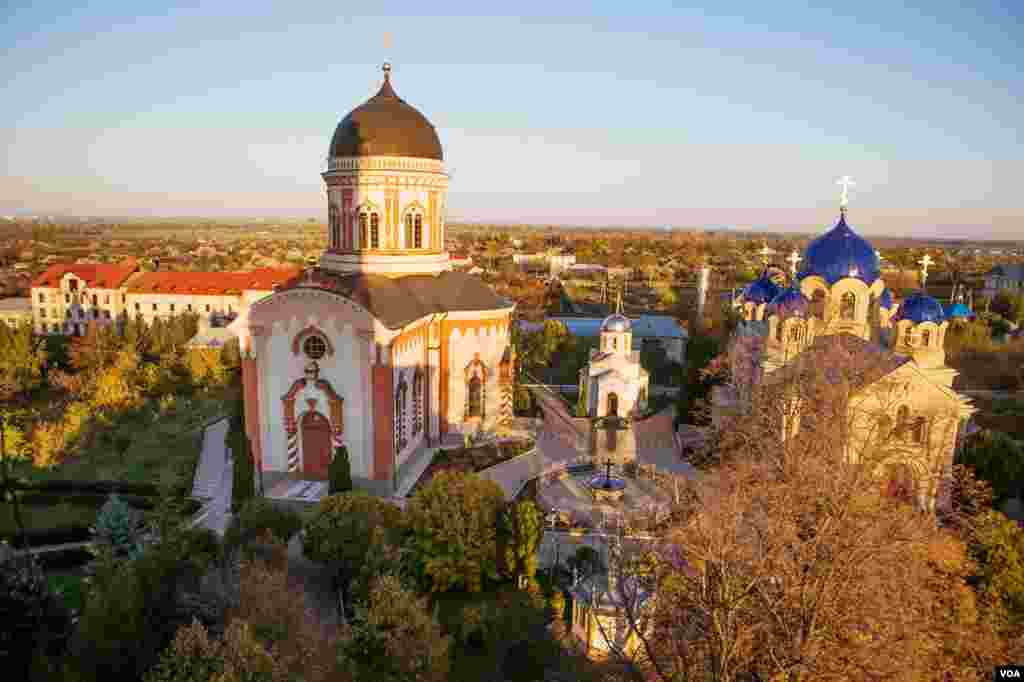
From a Russian Orthodox monastery, the bells ring out across flat farmland.
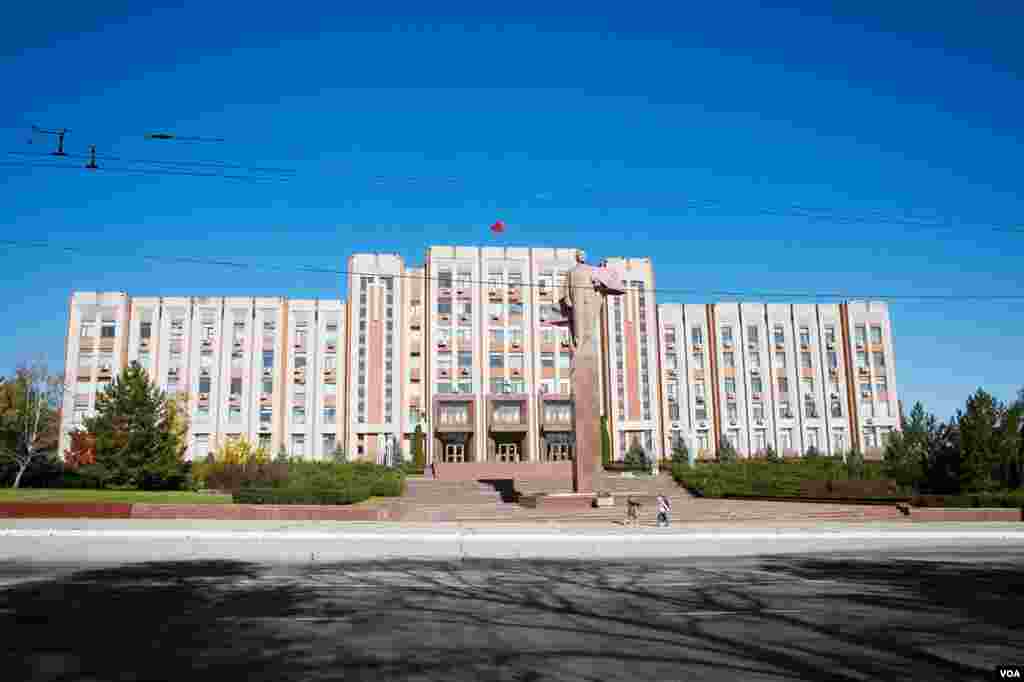
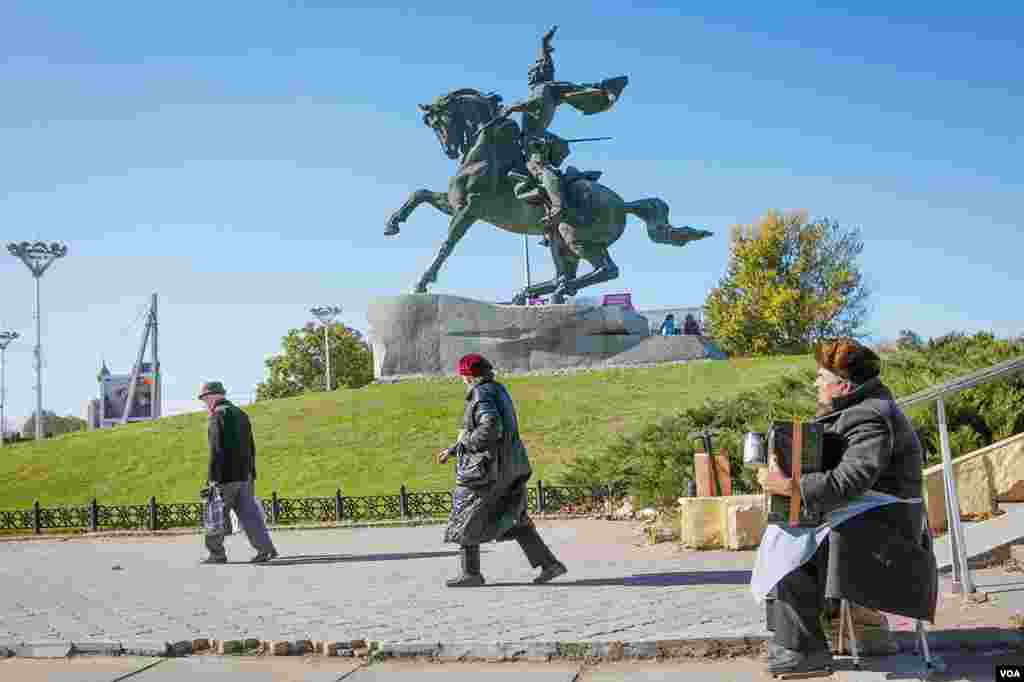
In the capital, a Lenin statue greets visitors to the local Supreme Soviet. The central square is dominated by a statue of a czarist general on horseback. And a golden hammer and sickle embellishes the red flag of Transdniester.
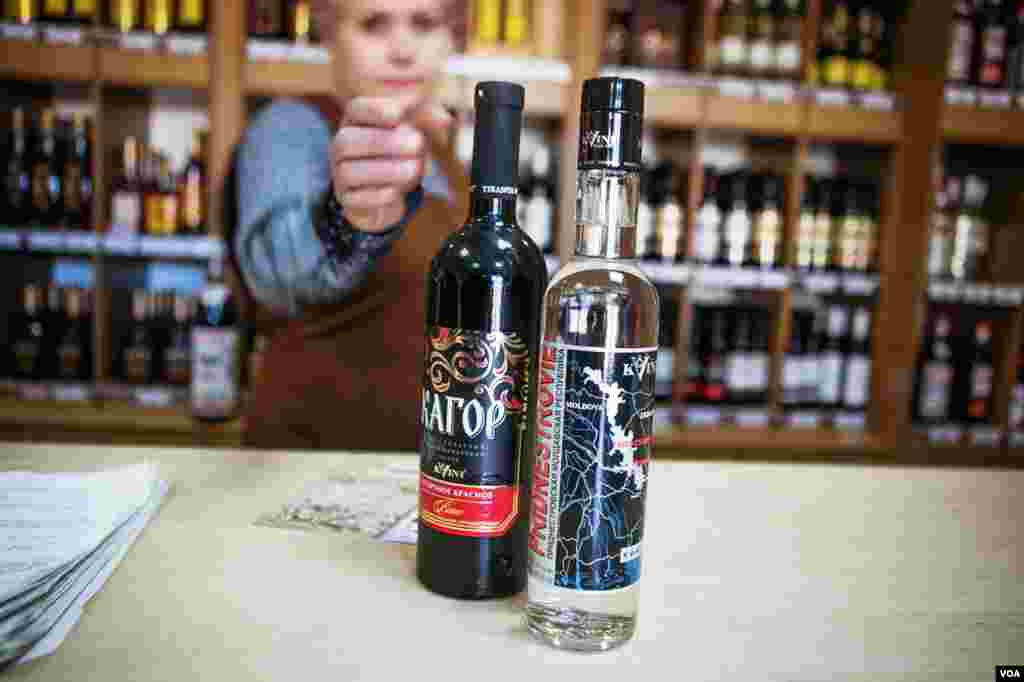
This looks like a corner of Russia. But as the map on a local bottle of vodka shows, Transdniester is a long, skinny strip of land, sandwiched between Moldova and Ukraine.
Moldovan Prime Minister Iurie Leanca says it is a breakaway region of his country. “We are unfortunately still hosting this protracted conflict it so does not make us happy at all. It shows we still have a wound that it still bleeding,” he said.
But here in Transdniester, Russian-speaking locals say they fought a generation ago to win independence from Romanian-speaking Moldova.
Transdniester
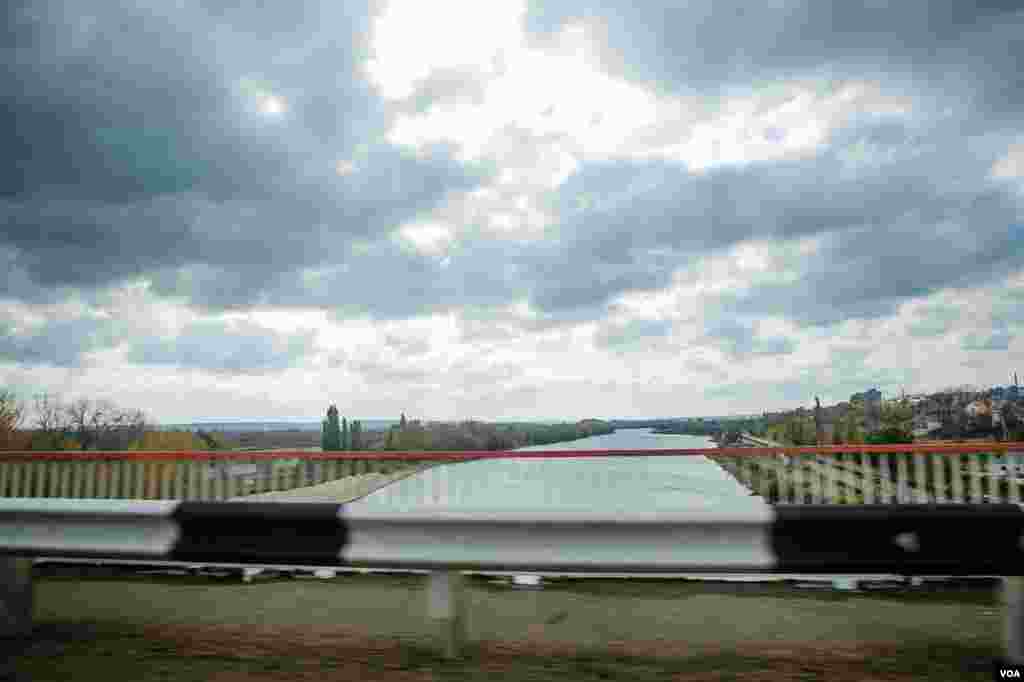
1/13The Dniester River divides Moldova's majority Romanian-speaking heartland on the West bank, from its majority Russian-speaking region on the East bank. (Vera Undritz for VOA)
Show moreShow less
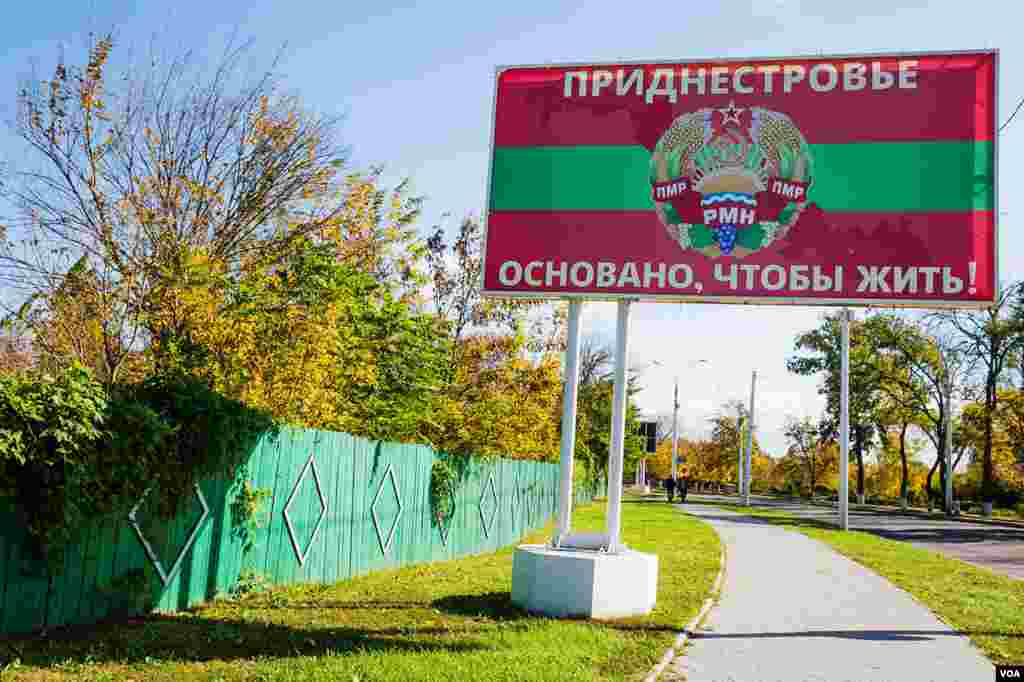
2/13Once in Transdniester, Latin letters vanish, and everything -- in Russian and Romanian, is written with Cyrillic letters. This billboard with the 'national' emblem reads: "Transdniester: Created for Survival!" (Vera Undritz for VOA)
Show moreShow less
3/13Lenin with a cape, sometimes called "Batman Lenin" stands outside Transdniester's Supreme Soviet, or parliament building. (Vera Undritz for VOA)
Show moreShow less
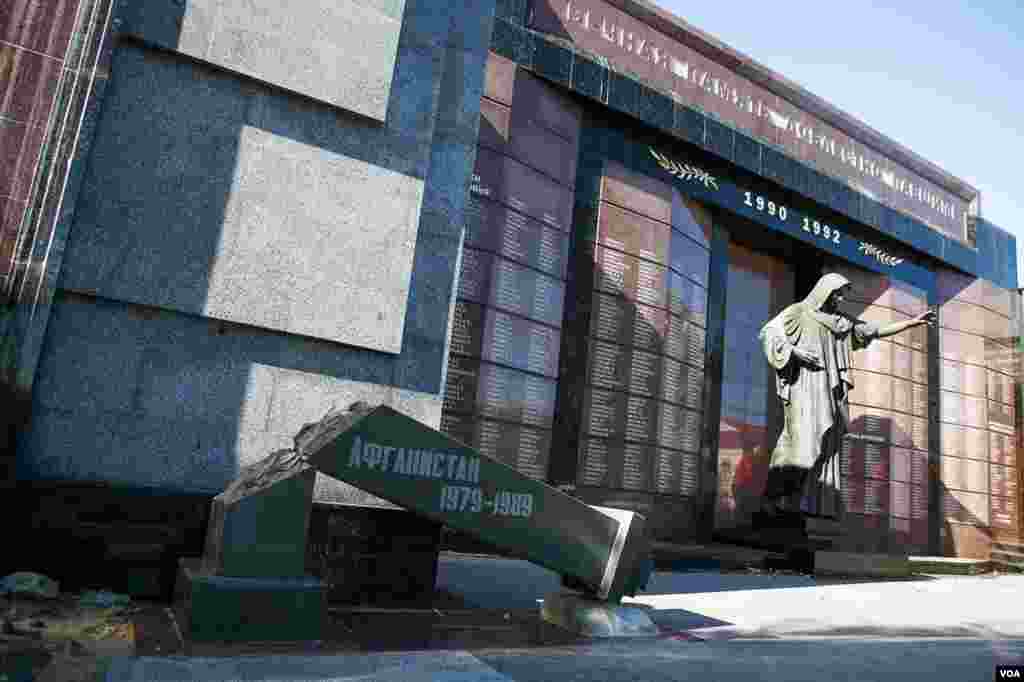
4/13In central Tiraspol, a memorial to the fallen in Transdniester's war for independence in the spring of 1992. Russian troops tipped the balance in favor of Trasndniester and there has been no fighting since. (Vera Undritz for VOA)
Show moreShow less
5/13The war memorial honors Transdniester's dead, about half of the 1,500 people who died during the five-month war of secession in 1992. (Vera Undritz for VOA)
Show moreShow less
6/13A blind man plays Soviet songs on his accordion. (Vera Undritz for VOA)
Show moreShow less
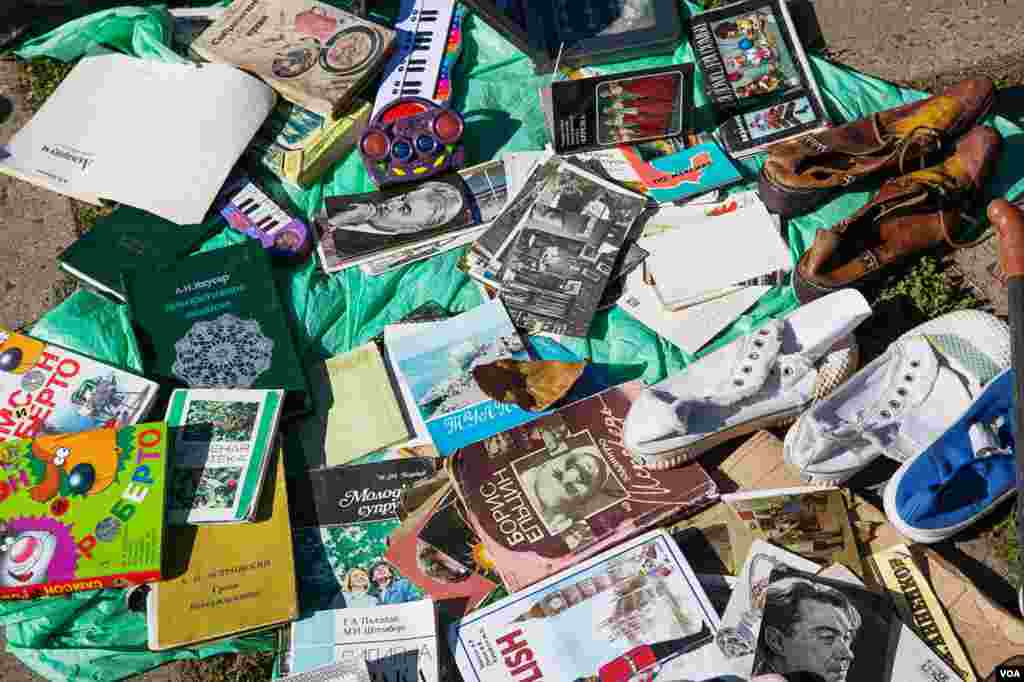
7/13On Saturdays, pensioners gather in a park to sell momentos, many from the days of their Soviet youth. (Vera Undritz for VOA)
Show moreShow less
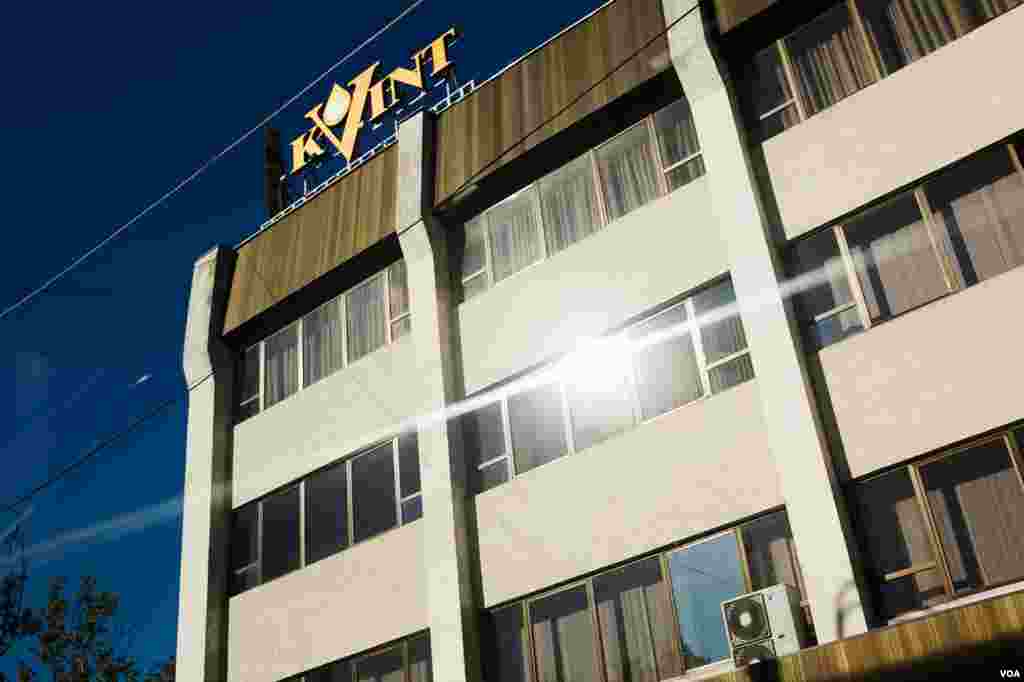
8/13Kvint exports Transdniester's best known products -- brandy and vodka. (Vera Undritz for VOA)
Show moreShow less
9/13At a Kvint store, a saleswoman shows a vodka bottle with a label outlining Transniester's stringbean shape. (Vera Undritz for VOA)
Show moreShow less
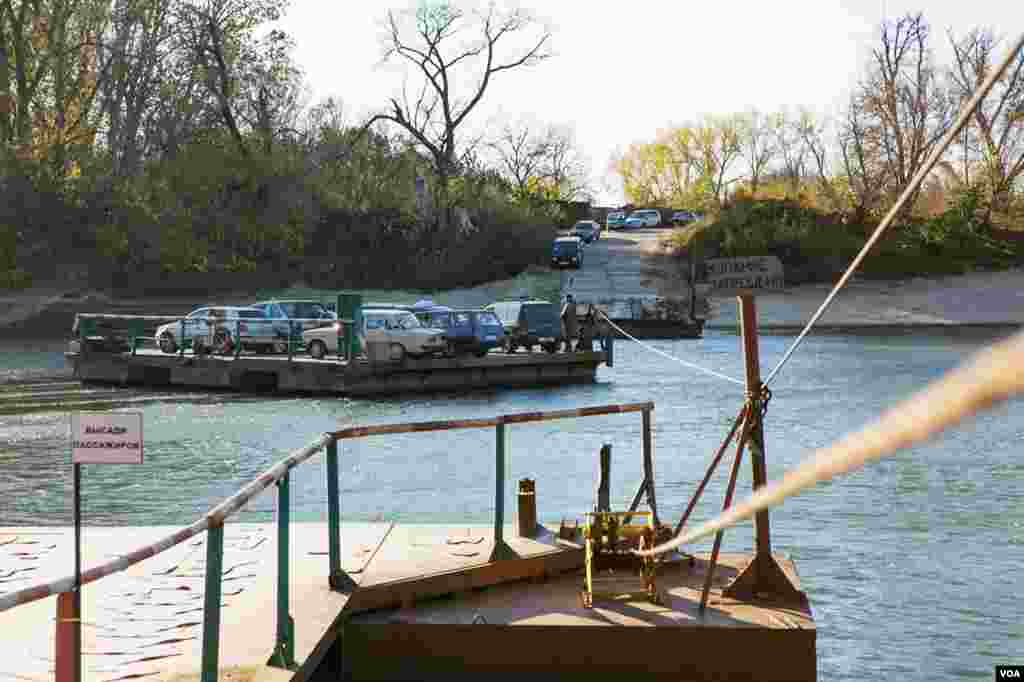
10/13Off the beaten track, a small ferry, guided by a steel cable, takes cars and trucks across the Dniester River. (Vera Undritz for VOA)
Show moreShow less
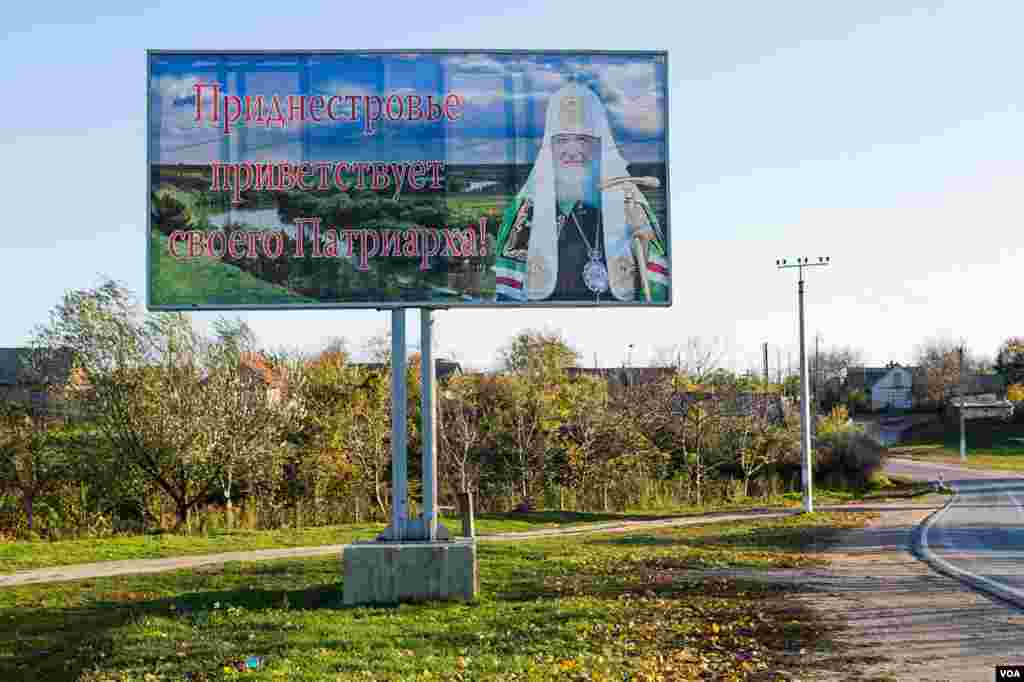
11/13The leaders of Russian-speaking Transdniester declared a regional holiday on Sept. 9 to celebrate the visit from Moscow of Kirill I, the Russian Orthodox Patriarch. (Vera Undritz for VOA)
Show moreShow less
12/13Viewed from halfway up Moldova's highest bell tower, the 19th century Noul Neamt Monastery glows in the late afternoon autumn sun of Kitskani. (Vera Undritz for VOA)
Show moreShow less
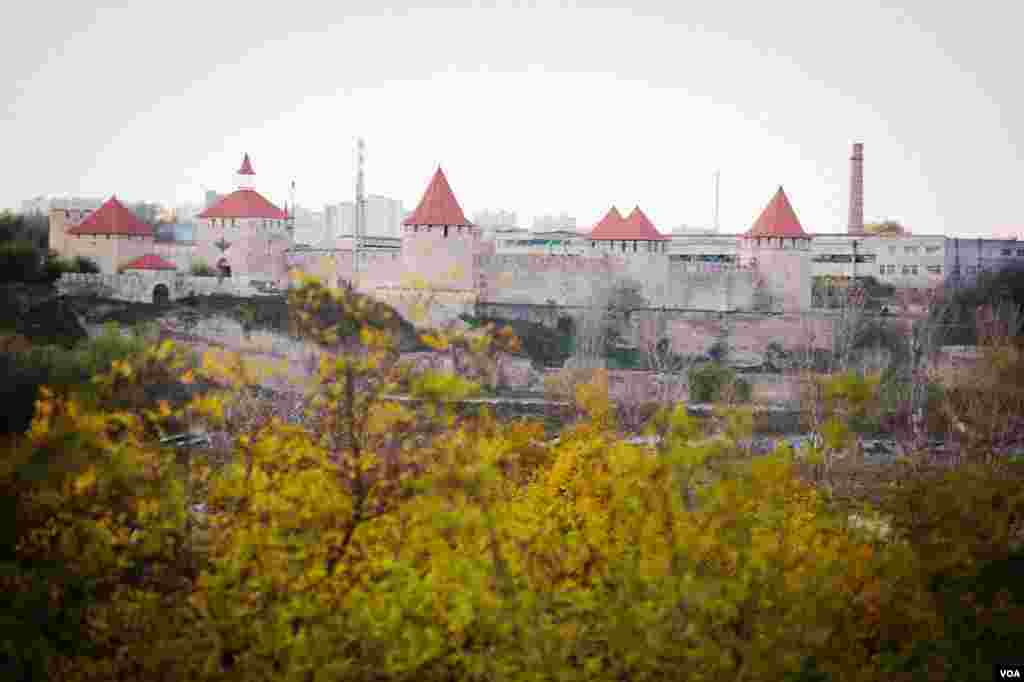
13/13Built in 1538 by the Ottoman Sultan Suleiman the Magnificent, the Bender fortress still dominates a Transdniester enclave on the west bank of the Dniester River. (Vera Undritz for VOA)
Show moreShow less
Previous slide
Next slide
Outside the new Hotel Rossia, Vladimir Yastrebchak, the region’s former ‘foreign minister,’ thanks Moscow for its support.
“Really the Russian Federation is our main strategic partner for more than 20 years, I mean for almost the whole period of Transdniester’s sovereign existence,” he said.
Russian Deputy Prime Minister Dmitry Rogozin visited Moldova last month. He warned that Russian troops will guarantee Transdniester’s autonomy.
He warned that Moldova has to take Transdniester into account when making decisions that will effect people on both sides of the Dniester River.
Moscow worries that at a meeting next month in Vilnius, Lithuania, Moldova and Ukraine will move toward membership in the European Union.
Ernest Vardanean, a journalist from Transdniester, said, “If Ukraine signs and ratifies the documents in Vilnius and after Vilnius, and if Moldova moves the same way, I guess that Transnistria will get many trouble because it will be pressed... it will be sandwiched between two pro-European countries.”
Since the Soviet collapse, as much as half of Transdniester’s working-age population has left - to work in Russia, or in the West.
Moldova’s prime minister said jobs and development eventually can reunite Moldova’s two language groups, now separated by the Dniester river.
“We need to show those living on left bank of the Dniester River. We are capable of building a political social economic system that is attractive for them as well," said Leanca. "Because just a few years ago, the roads on the right bank were as bad on the left bank, the migration was as high here as on the right bank, the health care was unattractive on either side.”
But for now, Transdniestrans seem happy to live as Russia’s lost colony in Central Europe.