Astronomers Find Possible Protoplanet Being Formed
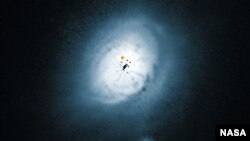
NASA/ESA Hubble Space Telescope view of the dust disc around the young star HD 100546. (ESO/NASA/ESA/Ardila et al.)
An international team led by Swiss astronomer Sascha Quanz has made what could be the first direct observation of a planet in the process of being formed. It is still embedded in a thick disc of gas and dust encircling a relatively nearby young star - only about 335 light years from Earth.
The scientists expect that as the protoplanet continues to gather material from the disc over millions of years, it will develop into a gas giant similar to the planet Jupiter in our solar system.
ESO/L. Calçada video: flying through the HD100546 system
Loading player...
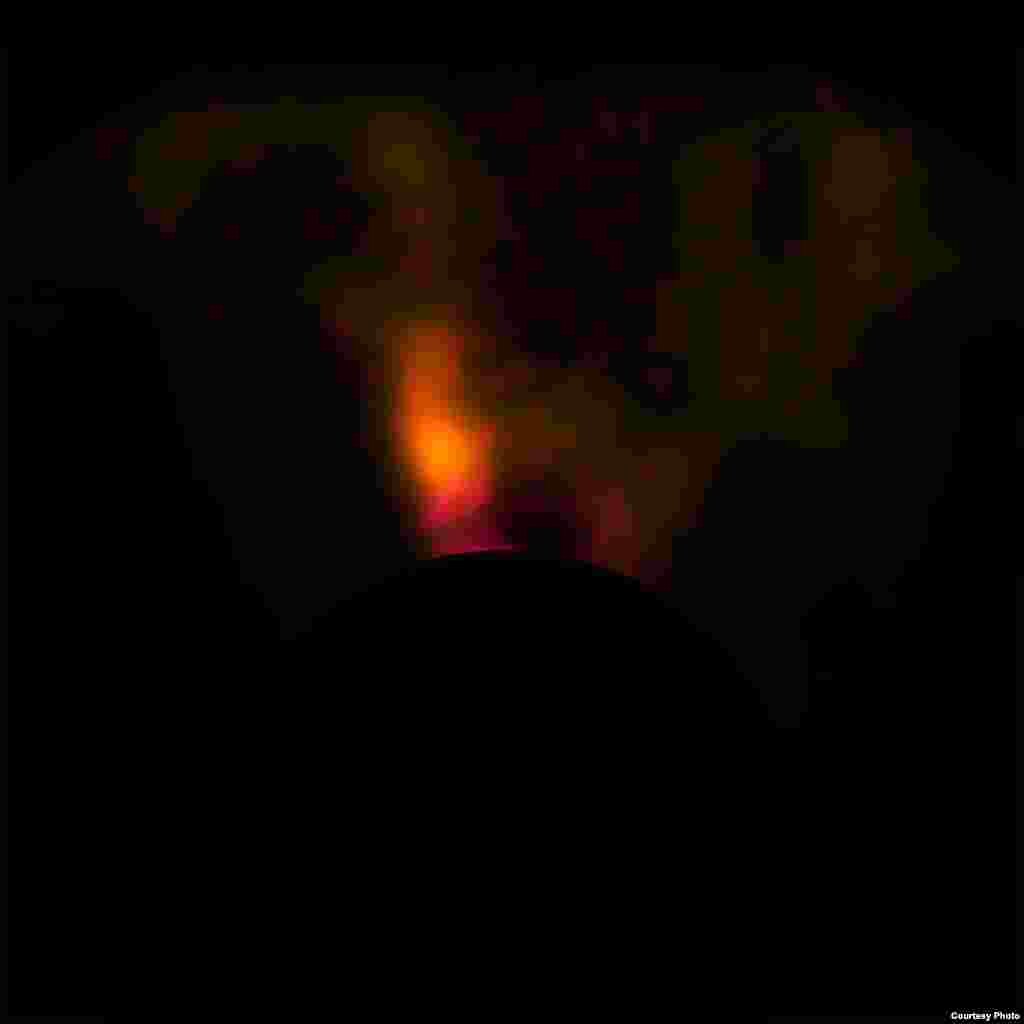
Quanz notes that until now, computer simulations were the only way to study planet formation. But using the advanced optics of the European Southern Observatory's Very Large Telescope and new image analysis techniques, astronomers were able to see a faint blob in the circumstellar disc. If his team's finding is confirmed, astronomers would be able to test their theories against an observable target.
Although a protoplanet is the most likely explanation for the observations, the results of this study require follow-up observations to rule out other possibilities and confirm the existence of the planet.
Astronomers Find Possible Protoplanet Being Formed
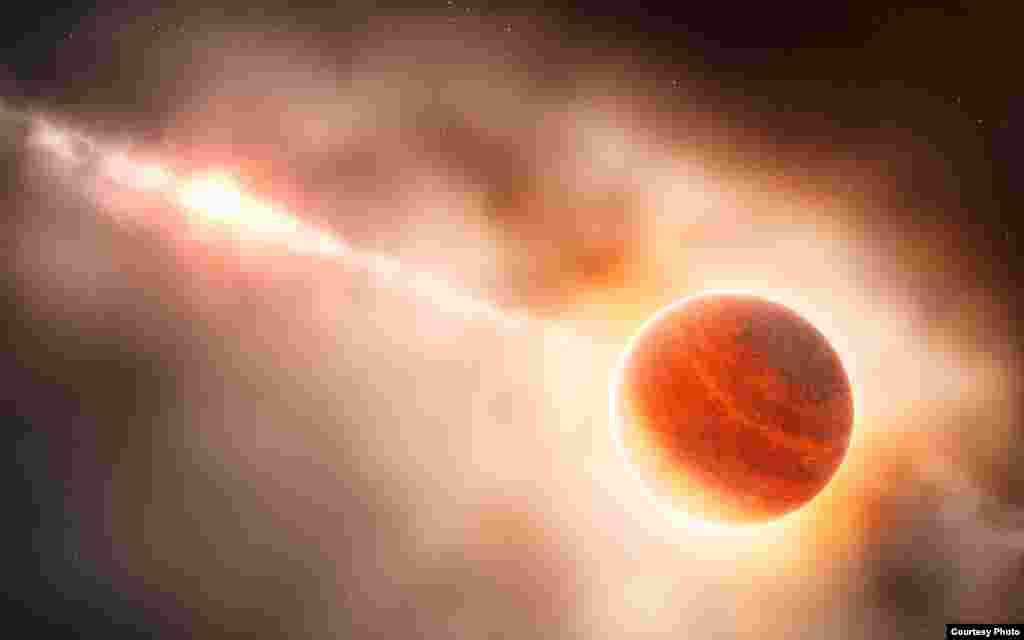
1/5This artist’s impression shows the formation of a planet in the ring of dust and gas around the young star HD 100546. (ESO/L. Calçada)
Astronomers might have taken the first pictures of a planet being born. An international team led by Swiss astronomer Sascha Quanz has made what could be the first direct observation of a planet in the process of being formed.
Show moreShow less
2/5This image from the NACO system on ESO’s Very Large Telescope shows a candidate protoplanet in the disc of gas and dust around the young star HD100546. (ESO)
Astronomers might have taken the first pictures of a planet being born. An international team led by Swiss astronomer Sascha Quanz has made what could be the first direct observation of a planet in the process of being formed.
Show moreShow less
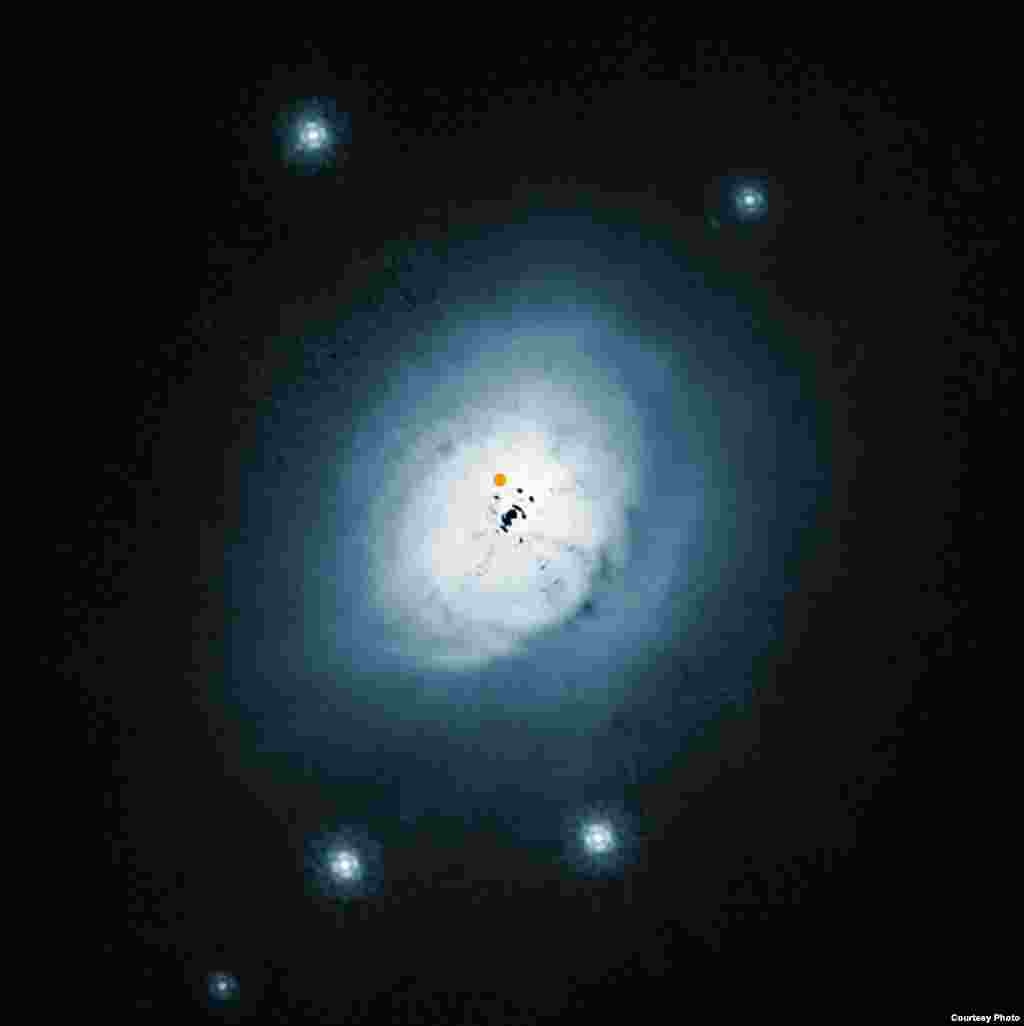
3/5This image from the NASA/ESA Hubble Space Telescope shows a visible light view of the outer dust around the young star HD100546. (ESO/NASA/ESA/Ardila et al.)
Astronomers might have taken the first pictures of a planet being born. An international team led by Swiss astronomer Sascha Quanz has made what could be the first direct observation of a planet in the process of being formed.
Show moreShow less
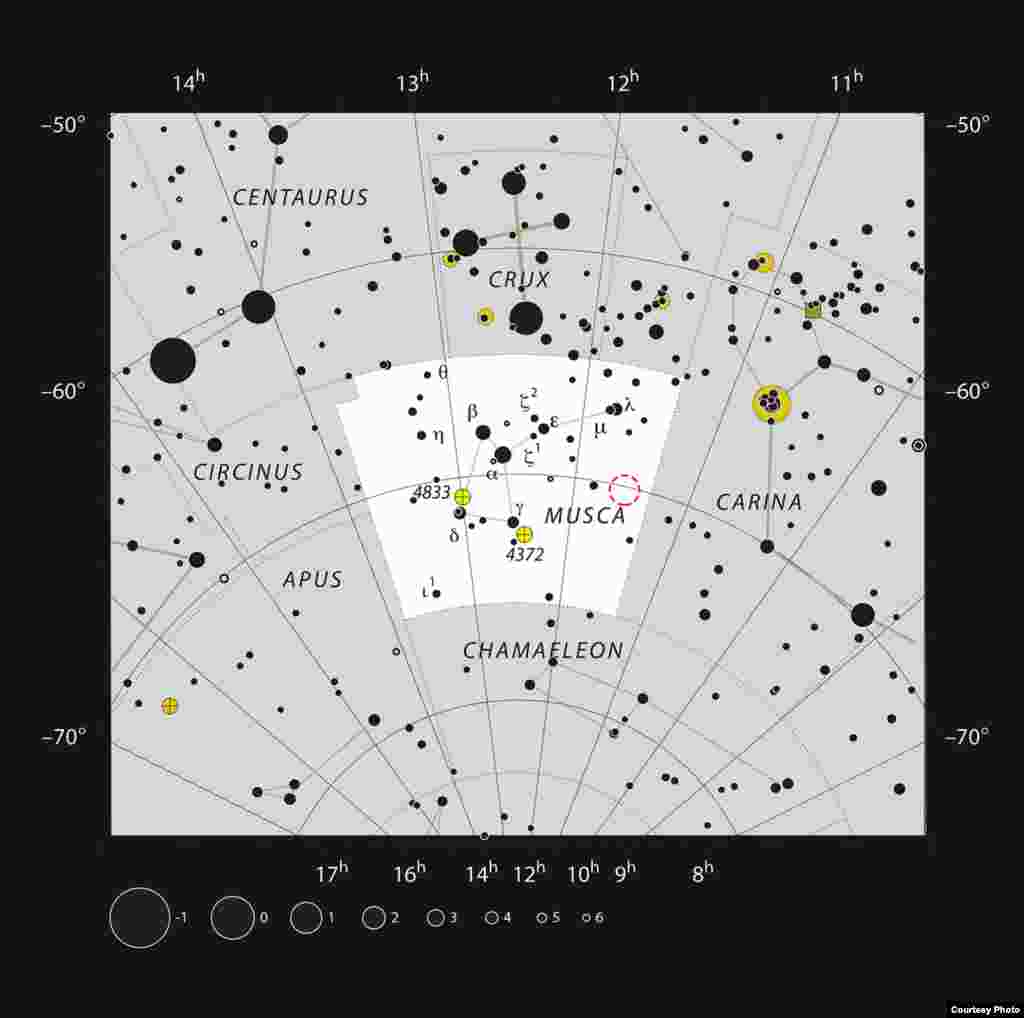
4/5This chart shows the position of the young star HD 100546 in the southern constellation of Musca (The Fly). Most of the stars that are visible to the unaided eye from a clear and dark site are shown. (ESO, IAU and Sky & Telescope)
Astronomers might have taken the first pictures of a planet being born. An international team led by Swiss astronomer Sascha Quanz has made what could be the first direct observation of a planet in the process of being formed.
Show moreShow less
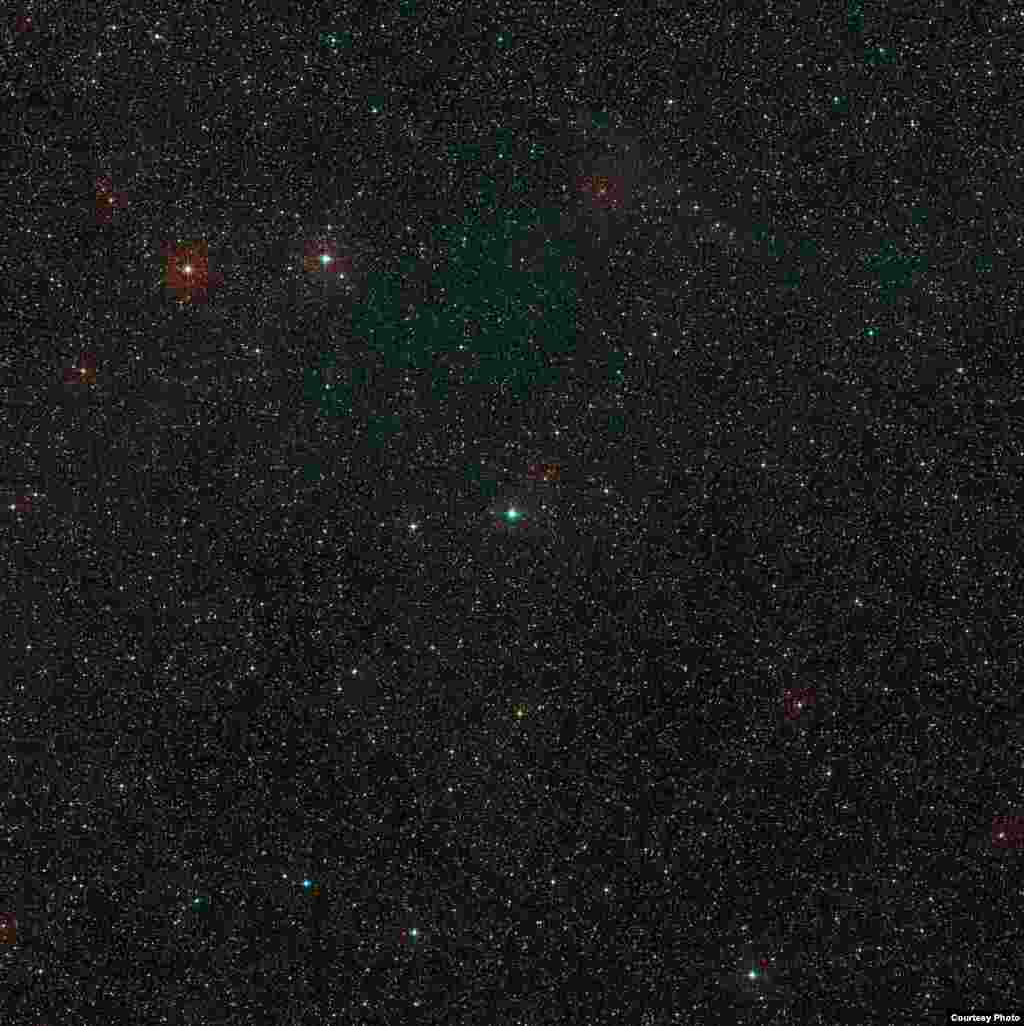
5/5The sky around the young star HD 100546 in the southern constellation of Musca. (ESO/Digitized Sky Survey 2. Davide De Martin)
Astronomers might have taken the first pictures of a planet being born. An international team led by Swiss astronomer Sascha Quanz has made what could be the first direct observation of a planet in the process of being formed.
The Voice of America provides news and information in more than 40 languages to an estimated weekly audience of over 326 million people. Stories with the VOA News byline are the work of multiple VOA journalists and may contain information from wire service reports.