Accessibility links

Breaking News

Berlin Gets Set to Party a Quarter Century After Wall’s Fall

Berlin Gets Set to Party 25 Years After Wall’s Fall
please wait

No media source currently available

0:00 0:03:24 0:00

Huge street parties are planned in the German capital this weekend to mark 25 years since the fall of the Berlin Wall. In contrast to previous anniversaries, authorities say the emphasis this year will be on celebrating a unified Germany.

For older generations, memories of the wall – and its destruction – are still seared in the mind.

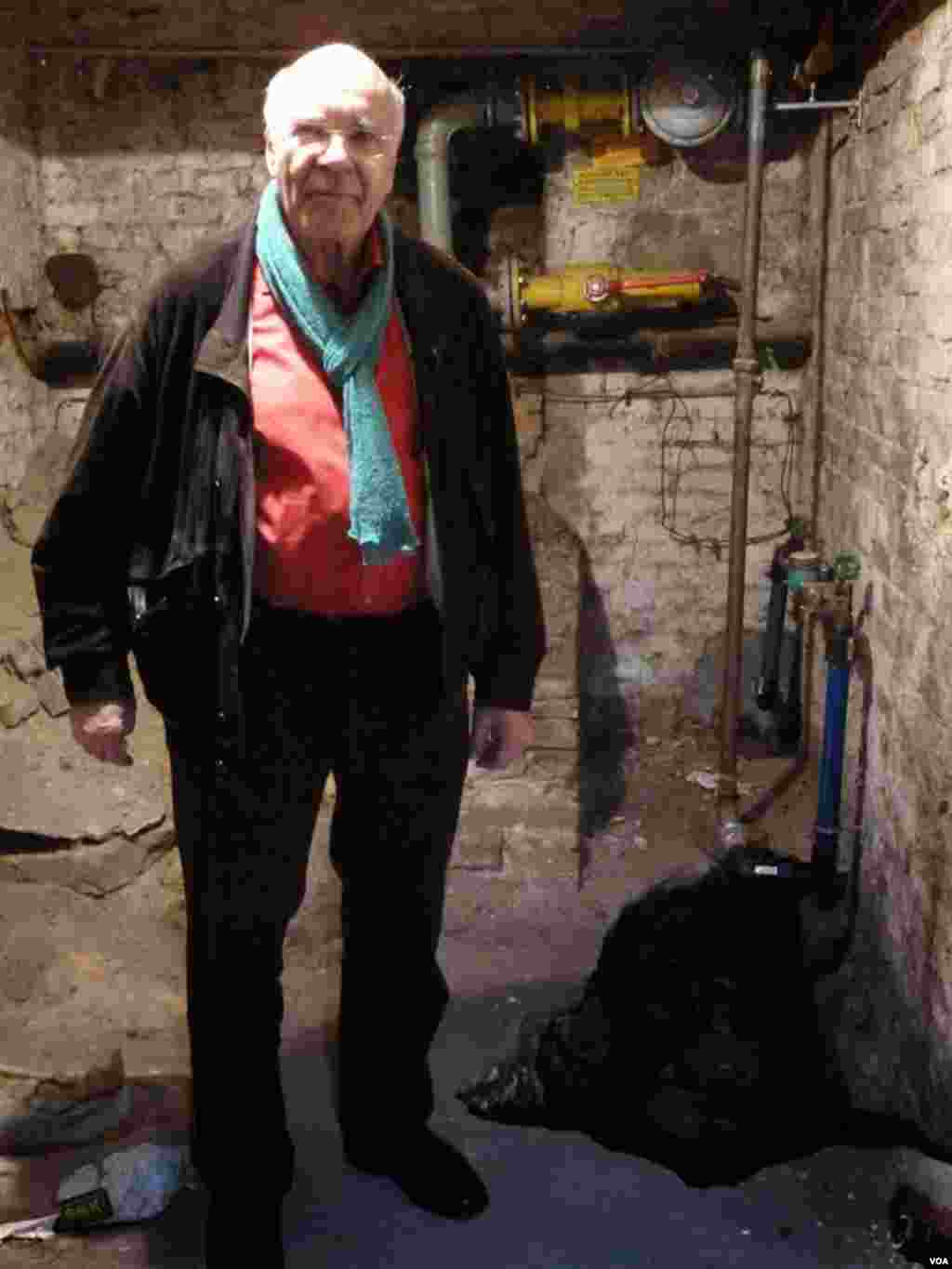
Burkhart Veigel walked down the steps into the basement at 36 Heidelberg St. It hides a secret of the Cold War.

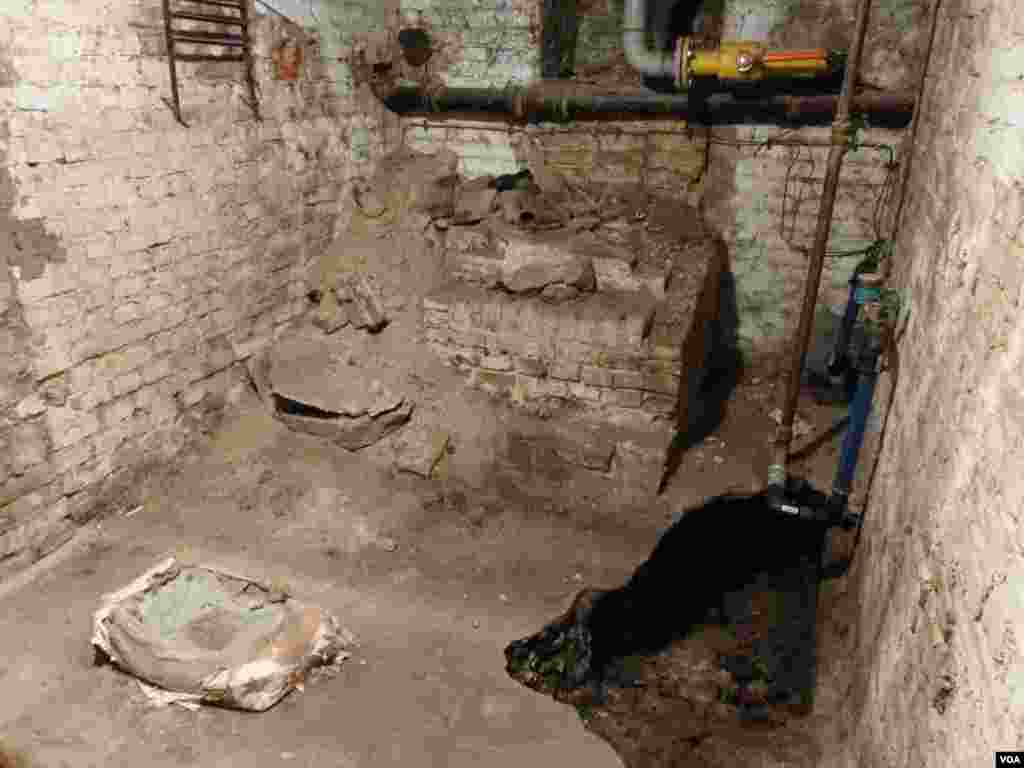
Between gas and water pipes are the remains of a tunnel that used to extend under the Berlin Wall. In the 1960s, Veigel was part of a small West Berlin team that dug the tunnels and smuggled East Germans out to the West.
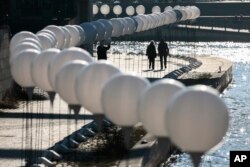
Luminous white balloons line the former route of the Berlin Wall to mark 25 years of German reunification, Nov. 7, 2014.

"I asked every escapee if they were scared, and not a single one said that they were frightened during the escape," Veigel said. "They think: This has to work and I will behave correctly."

Inventive escape efforts

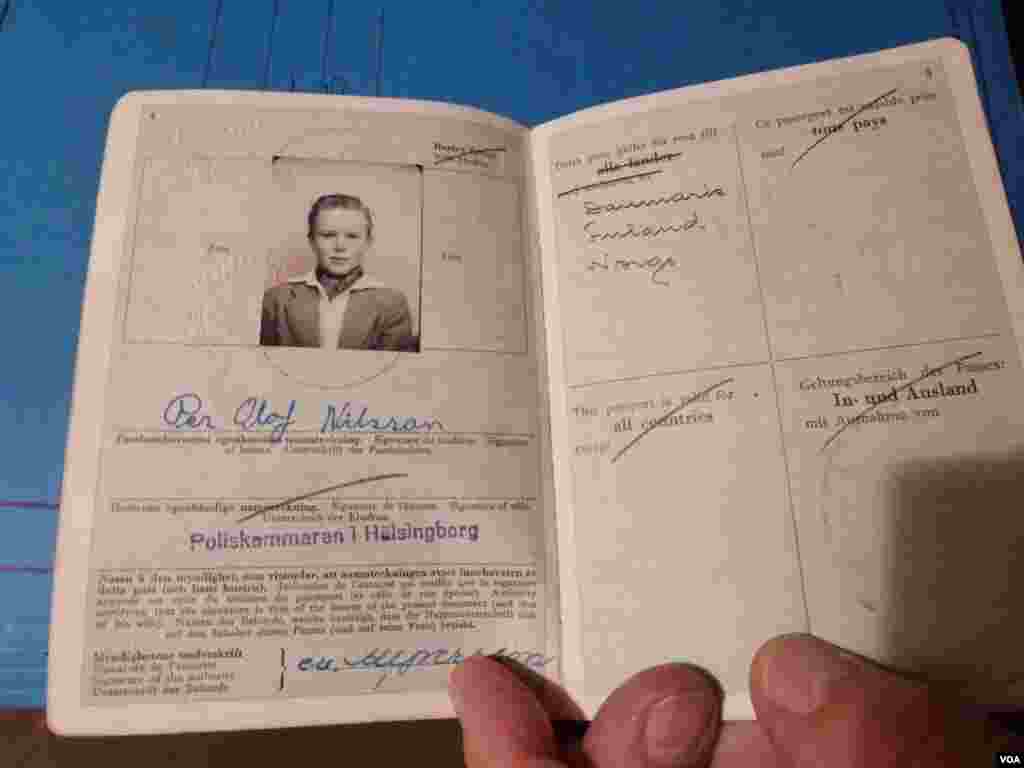
Hundreds escaped to the West, thanks to Veigel's ingenuity. While holding down a job as a doctor, he became an expert forger of passports. He modified an American Cadillac to hide a person inside the dashboard.

"That was my life's work: I wanted people to be free. So they could think freely. So they could speak freely. And that came to be," he said, recalling the moment he learned the wall had come down. "And it was, of course, for me a very moving experience."

25th Anniversary of the Fall of the Berlin Wall

The installation 'Lichtgrenze' (Border of Light) along a former Berlin Wall location is illuminated near the Brandenburg Gate in Berlin, Nov. 7, 2014.
1/6 The installation 'Lichtgrenze' (Border of Light) along a former Berlin Wall location is illuminated near the Brandenburg Gate in Berlin, Nov. 7, 2014.
Passersby listen to a soundcheck on stage in front of the Brandenburg Gate before a remembrance of 25 years since the fall of the Berlin Wall, Berlin, Nov. 7, 2014.
2/6 Passersby listen to a soundcheck on stage in front of the Brandenburg Gate before a remembrance of 25 years since the fall of the Berlin Wall, Berlin, Nov. 7, 2014.
Former Soviet President Mikhail Gorbachev makes an impression with his hands in cement as he visits the former Berlin Wall border crossing point Checkpoint Charlie, in Berlin, Nov. 7, 2014.
3/6 Former Soviet President Mikhail Gorbachev makes an impression with his hands in cement as he visits the former Berlin Wall border crossing point Checkpoint Charlie, in Berlin, Nov. 7, 2014.
The history of the fall of the Berlin Wall is presented as part of the permanent exhibition in the Legoland Discovery Center, Berlin, Nov. 7, 2014.
4/6 The history of the fall of the Berlin Wall is presented as part of the permanent exhibition in the Legoland Discovery Center, Berlin, Nov. 7, 2014.
Luminous white balloons are installed along the former route of the Berlin Wall, reflecting in the Spree River, in Berlin, Germany, Nov. 7, 2014.
5/6 Luminous white balloons are installed along the former route of the Berlin Wall, reflecting in the Spree River, in Berlin, Germany, Nov. 7, 2014.
People pass by the art project 'Lichtgrenze 2014' (Border of Light) next to remaining parts of the Berlin Wall. The light installation featuring 8,000 luminous white balloons commemorates the division of Berlin, in the East Side Gallery in Berlin, Germany, Nov. 7, 2014.
6/6 People pass by the art project 'Lichtgrenze 2014' (Border of Light) next to remaining parts of the Berlin Wall. The light installation featuring 8,000 luminous white balloons commemorates the division of Berlin, in the East Side Gallery in Berlin, Germany, Nov. 7, 2014.
Previous slide
Next slide

Officially, 138 people died trying to breach the wall. Victims' groups say the number is closer to 700.

By the late 1980s, momentum was building against the East German government. Protests that began in Leipzig spread to East Berlin.

When authorities announced an easing of travel restrictions, tens of thousands gathered on the eastern side of the wall. On November 9, 1989, it was breached and not a shot was fired.

Potent memories

Twenty-five years on, the memories still trigger strong emotion.

Isolde Nedbal, who lived in East Berlin, recalled her family getting into their German-made car, a Trabant. "We drove off, we took the children with us and just watched it all happen," she said. “It brings tears to my eyes just thinking about it."

The 25th anniversary marks the destruction of the wall and the end of the terror and misery that it brought. But, it's also a chance for Germany to celebrate a successful reunification.

"I think it is a success story of historic proportions," said Rudolf Seiter, who was chief of staff for West Germany’s then-chancellor, Helmut Kohl. "Many areas are flourishing, the population has come together, people have moved from east to west and west to east, and young people feel German."

This weekend, a line of illuminated helium balloons will light the path of the former wall. Huge street parties are planned, mirroring the celebrations 25 years ago – the dawn of a new chapter in history.

Berlin Wall Anniversary
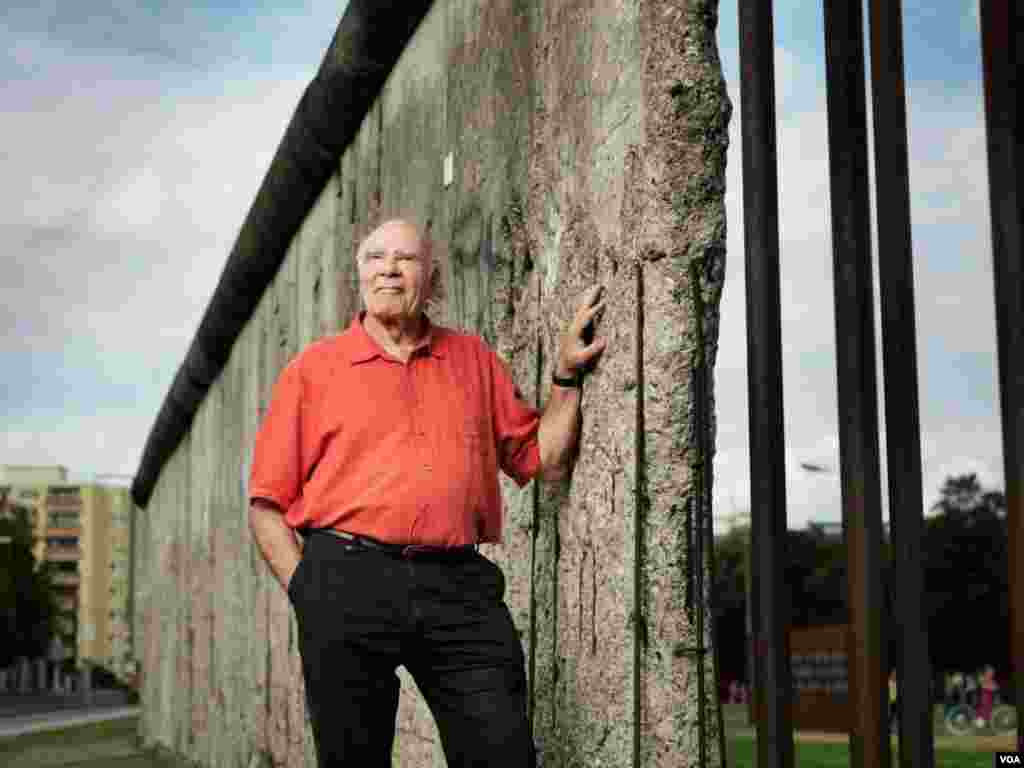
Burkhart Veigel at the Berlin Wall Memorial. (Copyright, used with permission from Burkhart Veigel)
1/8 Burkhart Veigel at the Berlin Wall Memorial. (Copyright, used with permission from Burkhart Veigel)
Burkhart Veigel was one of East Germany's most wanted men. A West Berliner in the 1960s, Veigel helped dig tunnels under the Berlin Wall.
Burkhart Veigel in the 1960s. (Copyright, used with permission from Burkhart Veigel)
2/8 Burkhart Veigel in the 1960s. (Copyright, used with permission from Burkhart Veigel)
Burkhart Veigel was one of East Germany's most wanted men. A West Berliner in the 1960s, Veigel helped dig tunnels under the Berlin Wall.
Burkhart Veigel was an expert forger of passports. (Henry Ridgwell/VOA)
3/8 Burkhart Veigel was an expert forger of passports. (Henry Ridgwell/VOA)
Burkhart Veigel was one of East Germany's most wanted men. A West Berliner in the 1960s, Veigel helped dig tunnels under the Berlin Wall.
Burkhart Veigel next to the tunnel, Nov. 5, 2014. (Henry Ridgwell)
4/8 Burkhart Veigel next to the tunnel, Nov. 5, 2014. (Henry Ridgwell)
Burkhart Veigel was one of East Germany's most wanted men. A West Berliner in the 1960s, Veigel helped dig tunnels under the Berlin Wall.
The tunnel beneath the Berlin Wall at 36 Heidelberger Strasse, Berlin, Germany, Nov.5, 2014. (Henry Ridgwell/VOA)
5/8 The tunnel beneath the Berlin Wall at 36 Heidelberger Strasse, Berlin, Germany, Nov.5, 2014. (Henry Ridgwell/VOA)
Burkhart Veigel was one of East Germany's most wanted men. A West Berliner in the 1960s, Veigel helped dig tunnels under the Berlin Wall.
Unos 600 jaguares rondan la Reserva de la Biosfera Maya en Guatemala y se busca reducir el conflicto con los humanos en la zona de amortiguamiento. [Foto: Cortesía, WCS].
6/8 Unos 600 jaguares rondan la Reserva de la Biosfera Maya en Guatemala y se busca reducir el conflicto con los humanos en la zona de amortiguamiento. [Foto: Cortesía, WCS].
Burkhart Veigel was one of East Germany's most wanted men. A West Berliner in the 1960s, Veigel helped dig tunnels under the Berlin Wall.
The dashboard of Burkhart Veigel's Cadillac, modified to hide an East German refugee. (Copyright, used with permission from Burkhart Veigel)
7/8 The dashboard of Burkhart Veigel's Cadillac, modified to hide an East German refugee. (Copyright, used with permission from Burkhart Veigel)
Burkhart Veigel was one of East Germany's most wanted men. A West Berliner in the 1960s, Veigel helped dig tunnels under the Berlin Wall.
Diagram showing modified Cadillac. (Copyright, used with permission from Burkhart Veigel)
8/8 Diagram showing modified Cadillac. (Copyright, used with permission from Burkhart Veigel)
Burkhart Veigel was one of East Germany's most wanted men. A West Berliner in the 1960s, Veigel helped dig tunnels under the Berlin Wall.
Previous slide
Next slide

XS
SM
MD
LG