NEW YORK CITY —
Spiders, a unique class of creatures known as arachnids, come in 43,000 varieties and have thrived for nearly 300 million years on every continent except Antarctica.
Despite their ubiquity - and our frequent contact with them in our homes, gardens and farms - spiders are poorly understood and not well appreciated. A new exhibit at the American Museum of Natural History in New York is out to change that.
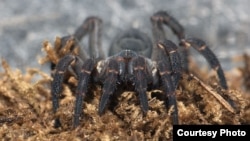
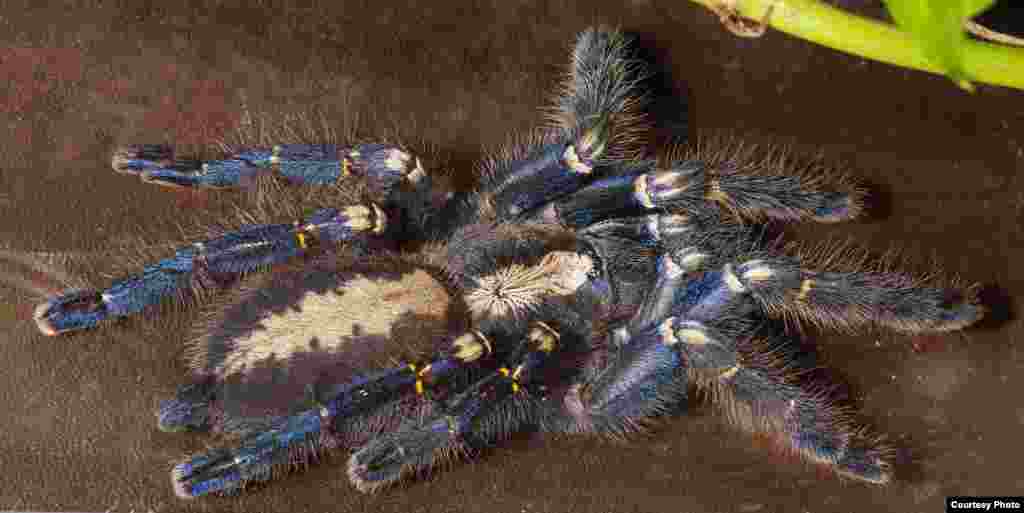
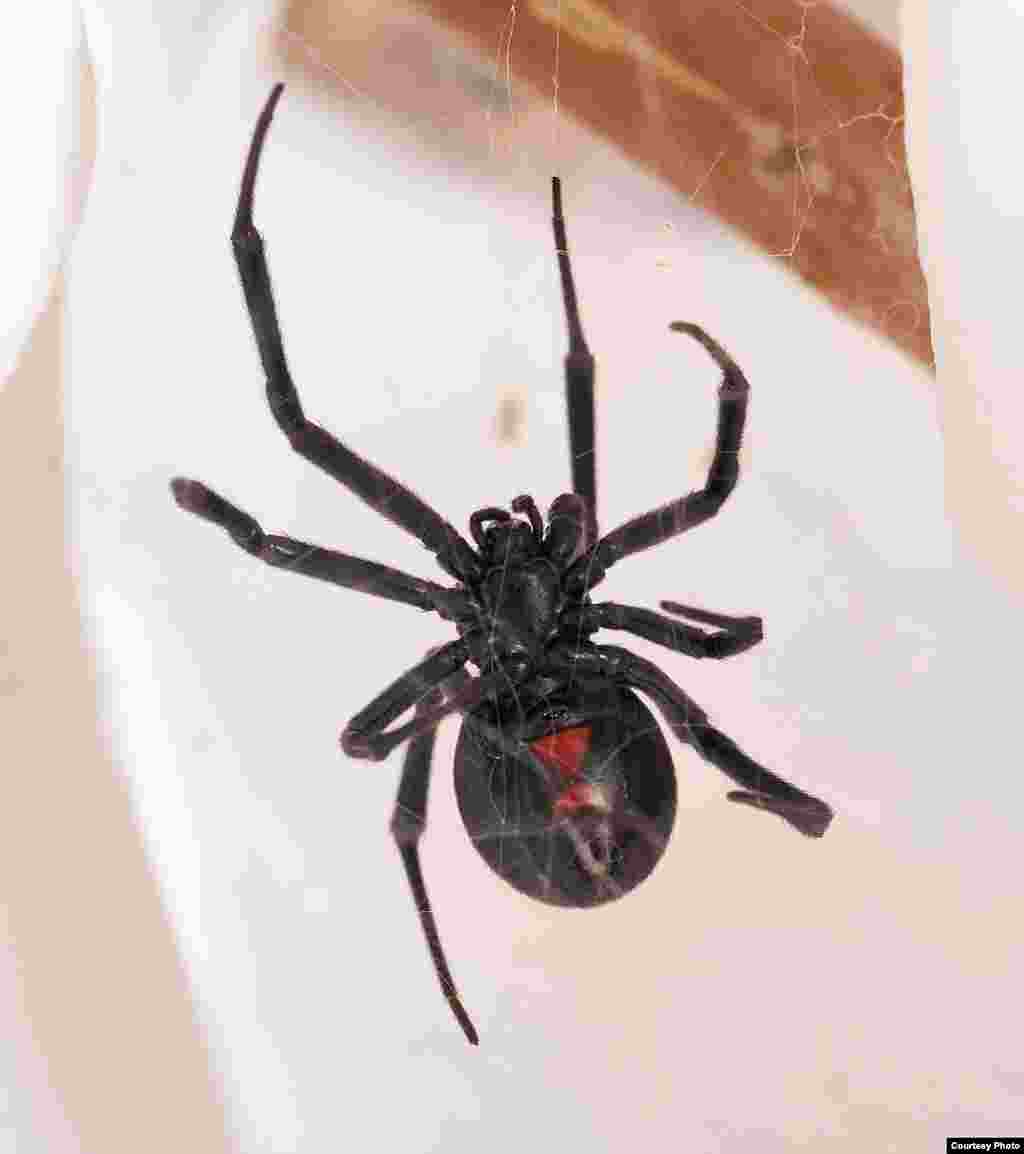
The museum boasts the world’s largest spider collection, and has populated its new “Spiders Alive!” exhibit with a diverse sampling. Live specimens of 20 different species crawl about in the exhibition’s glass display case, from the tarantula, which can grow to the size of a dinner plate, to the goliath birdeater, and the infamous Black Widow with its distinctive hourglass markings.
Many people think spiders are insects but, unlike insects, spiders have no wings or antennae. Their exoskeletons come in two parts, not three, and they periodically molt those protective shells for new ones. Like other arachnids, such as scorpions and ticks, spiders have eight legs, not six.
Exhibition curator Norman Platnick says a spider can even lose a leg and live. “And in fact if happens young enough when the spider still has several molts before it becomes an adult, it can even regrow that leg. So clearly, if you can lose them, then having more is an advantage.”
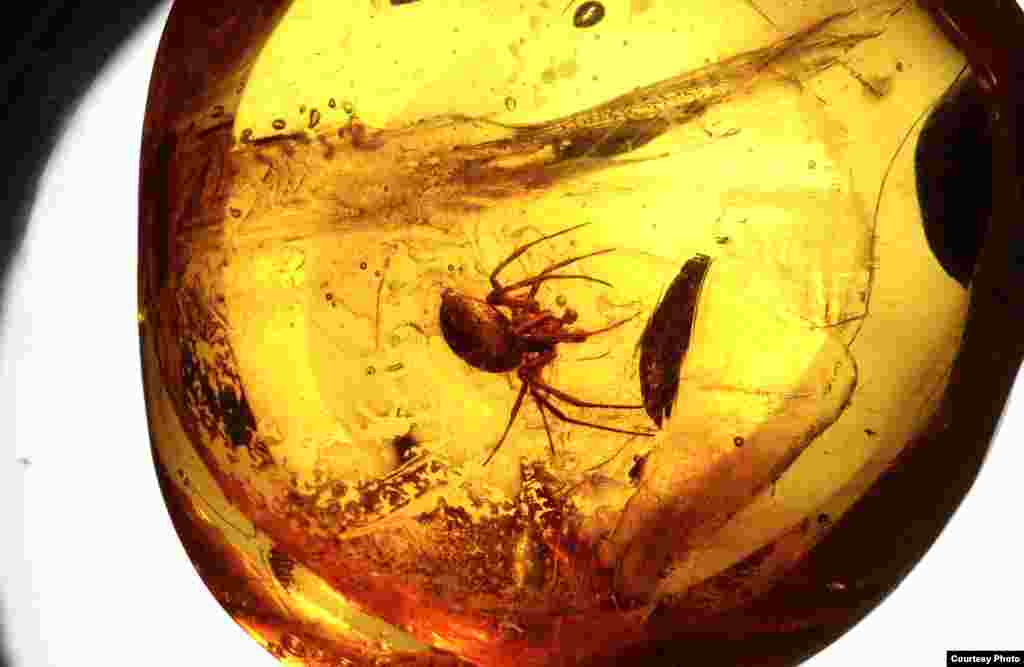
Spiders, which come in 43,000 varieties, have thrived for nearly 300 million years on every continent except Antarctica. A new exhibit at New York's American Museum of Natural History, which boasts the world’s largest spider collection, showcases some of the arachnids.
Spiders, which come in 43,000 varieties, have thrived for nearly 300 million years on every continent except Antarctica. A new exhibit at New York's American Museum of Natural History, which boasts the world’s largest spider collection, showcases some of the arachnids.
Spiders, which come in 43,000 varieties, have thrived for nearly 300 million years on every continent except Antarctica. A new exhibit at New York's American Museum of Natural History, which boasts the world’s largest spider collection, showcases some of the arachnids.
Spiders, which come in 43,000 varieties, have thrived for nearly 300 million years on every continent except Antarctica. A new exhibit at New York's American Museum of Natural History, which boasts the world’s largest spider collection, showcases some of the arachnids.
Spiders, which come in 43,000 varieties, have thrived for nearly 300 million years on every continent except Antarctica. A new exhibit at New York's American Museum of Natural History, which boasts the world’s largest spider collection, showcases some of the arachnids.
Spiders, which come in 43,000 varieties, have thrived for nearly 300 million years on every continent except Antarctica. A new exhibit at New York's American Museum of Natural History, which boasts the world’s largest spider collection, showcases some of the arachnids.
Spiders, which come in 43,000 varieties, have thrived for nearly 300 million years on every continent except Antarctica. A new exhibit at New York's American Museum of Natural History, which boasts the world’s largest spider collection, showcases some of the arachnids.
Spiders, which come in 43,000 varieties, have thrived for nearly 300 million years on every continent except Antarctica. A new exhibit at New York's American Museum of Natural History, which boasts the world’s largest spider collection, showcases some of the arachnids.
Spiders, which come in 43,000 varieties, have thrived for nearly 300 million years on every continent except Antarctica. A new exhibit at New York's American Museum of Natural History, which boasts the world’s largest spider collection, showcases some of the arachnids.
Show moreShow less
Previous slide
Next slide
If bugs give you the creeps, you might want to consider that if it weren’t for spiders, we'd all be neck-deep in insects. On just a single hectare of land, a normal population of spiders can devour as much as 80 kilograms of bugs each year, according to Platnick.
“If the spiders were not here, we might not be here either because insects would have devoured all those crops,” he says.
Spiders’ methods for hunting and eating their prey are both strange and ingenious. While humans begin to digest food once it's inside the mouth, most spiders pierce their prey with specialized fangs, then inject them with a paralyzing venom. Next, they regurgitate digestive fluid into their victim’s bodies, essentially liquefying them in their shells.
“And then the spider sucks up the liquid like a milk shake,” says Hazel Davies, the museum’s curator of living exhibits.
Few spiders have venom that can hurt a person. In fact, some spider venoms may be beneficial to human health.
“Some spider venoms, or some component of the venoms of some species of spiders, seem to be able to inhibit the transmission of certain nerve impulses across synapses," says Platnick. "So people are looking at those kinds of venoms as potential cures for certain kinds of neurological diseases, like epilepsy, that involve those kinds of transmissions.”
Only about half of the world’s 43,000 spider species spin webs.
“The other half are hunting spiders. They actively hunt down their prey," says Platnick. "Or they may be fairly sedentary like crab spiders and tarantulas and wait for the prey to come near them.”
Spiders who spin webs must also wait for an insect to become ensnared. Depending on the species, webs can be beautifully symmetrical or a seemingly random jumble. Either way, Platnick says the silk itself has wondrous properties. For example, some silks have a tensile strength far greater than a comparable strand of steel.
“If we could develop man-made equivalents of spider silk, we could revolutionize everything from parachutes to bulletproof vests,” he says.
Because spider silks contain a vast inventory of potentially useful proteins, Platnick advocates that spiders’ natural habitats be protected from human incursions, such as logging. He leads a National Science Foundation-funded initiative called the Planetary Biodiversity Inventory, a project that has engaged more than 45 arachnid experts in 12 countries.
“Any time enough habitat gets destroyed that we lose a species, we may be losing something extremely valuable too," he says, "and, in many cases, that means we lose it even before we knew it existed.”
The “Spiders Alive!” exhibition will be on display at the American Museum of Natural History in New York City until early December 2012.