Facts About Hurricane Katrina
Facts About Hurricane Katrina
- Slammed into New Orleans on August 29, 2005 as a Category 3 hurricane
- 'Katrina' had sustained winds of 201 kilometers an hour when it came ashore
- 80-percent of New Orleans flooded after its protective levees were breached
- 1,800 people were killed
- More than 1,000,000 residents were forced from their homes
- US Army Corps of Engineers was given about $14 billion to improve levees and flood walls in New Orleans area
Tropical Storm Isaac is a much weaker weather event than Hurricane Katrina, which left 1,800 people dead in Louisiana and Mississippi in 2005. Still the threat of dangerous storm surges and flooding is increasing as Isaac slowly moves across Louisiana.
Storm surges are testing the New Orleans levee system that failed during Katrina and has since been bolstered by $14 billion in federal repairs and improvements. The U.S. Army Corps of Engineers says that so far the stronger levees are withstanding the assault.
Louisiana Governor Bobby Jindal says officials might need to cut a hole in a levee in a flooded area to relieve pressure on the structure and prevent a major breach. He says that as many as 40 people in the area need to be rescued.
“Bottom line - this storm is a very slow moving storm. It will be moving through our state. We'll be dealing with this storm through early Friday morning. So this is a storm that we will be dealing with not only today and tomorrow, but we're going to continue to see the weather effects especially as it moves to the northern part of our state,” Jindal said.
Earlier on Wednesday, Isaac packed 120 kilometer-per-hour winds, driving a wall of water nearly 3.4 meters high inland and soaking a stretch of land that extends into the Gulf of Mexico. The storm stalled for several hours before resuming its slow trek inland. Isaac's slow movement over land means it could dump up to 50 centimeters of rain in some areas. In New Orleans, one district on the west bank of the Mississippi River has ordered a mandatory evacuation because of concerns of a sustained storm surge. New Orleans Mayor Mitch Landrieu has issued a curfew for the city.
Some residents who evacuated, like Gaynell James, say damage from Isaac has been minimal and that they already are thinking of returning home.
“Well they say some areas are a little flooded. But where I live at, they say no water. I talked to, with my neighbor and she says the water is like to the, right to the gutter, [but] not, it hasn't come up yet. And so the reason we left now [is that] we don't have any lights now,” James said.
In areas of southeastern Louisiana, people in boats and trucks have rescued residents stranded by floodwaters. Authorities fear that many others could need help following fierce winds and rain that knocked out power to more than 600,000 households and businesses on Tuesday night.
Hurricane Katrina revisited
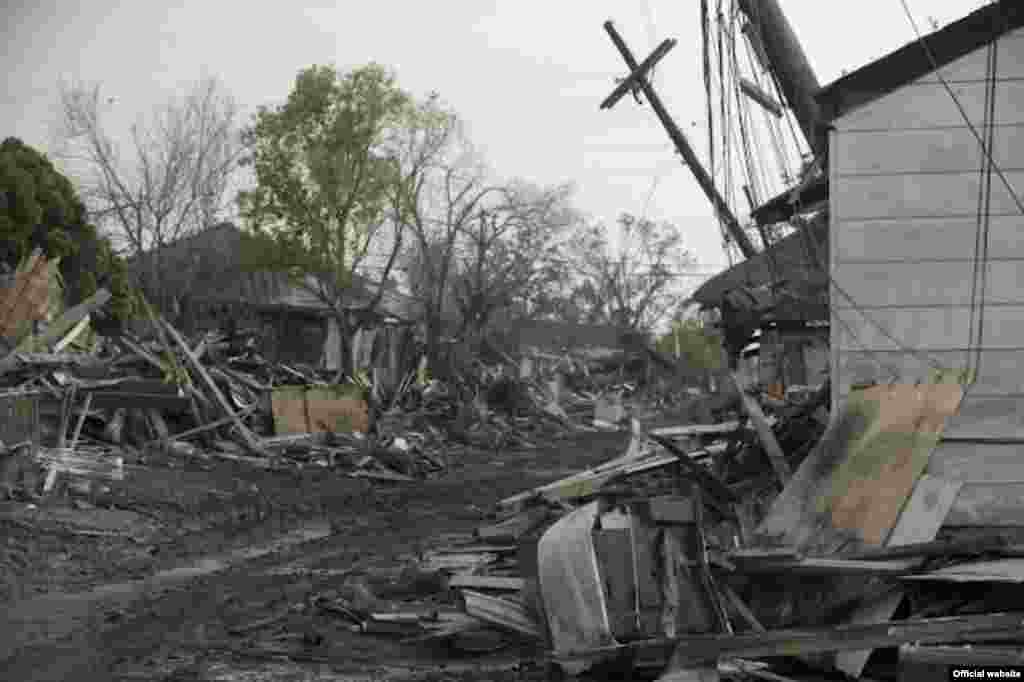
After Hurricane Katrina devastated New Orleans in 2005, its new flood infrastructure is tested by Hurricane Isaac almost exactly 7 years later.
Show more
Show less
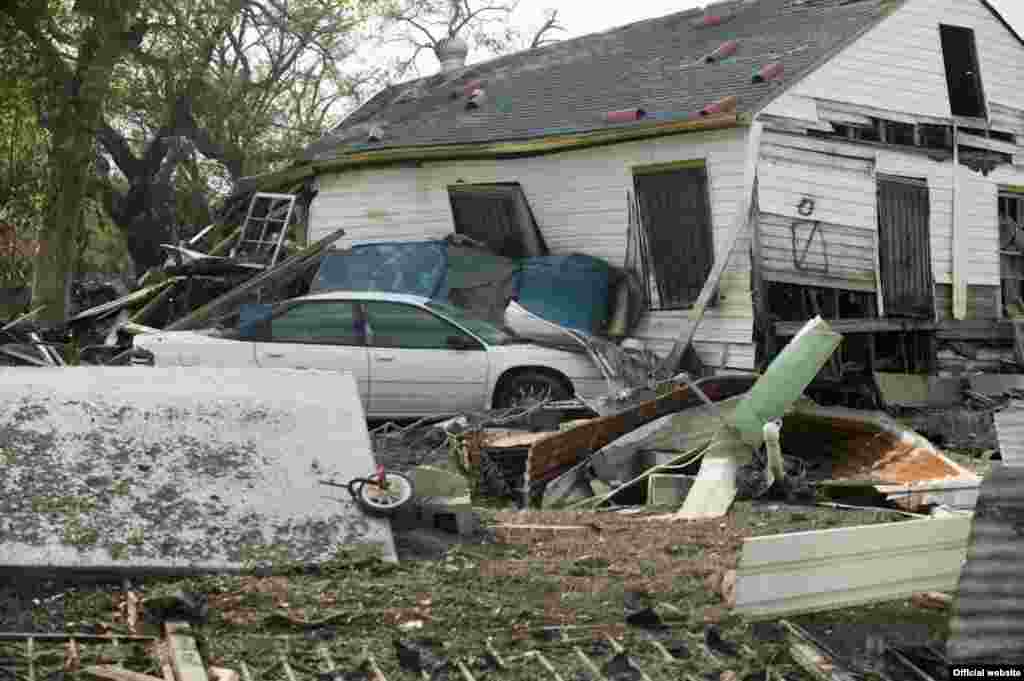
After Hurricane Katrina devastated New Orleans in 2005, its new flood infrastructure is tested by Hurricane Isaac almost exactly 7 years later.
Show more
Show less
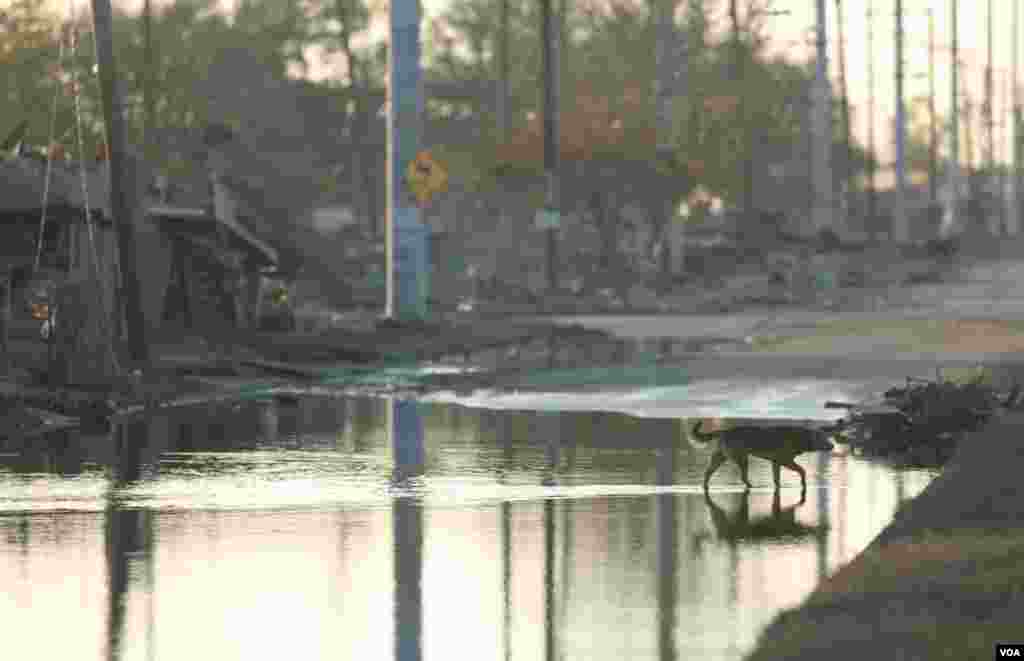
After Hurricane Katrina devastated New Orleans in 2005, its new flood infrastructure is tested by Hurricane Isaac almost exactly 7 years later.
Show more
Show less
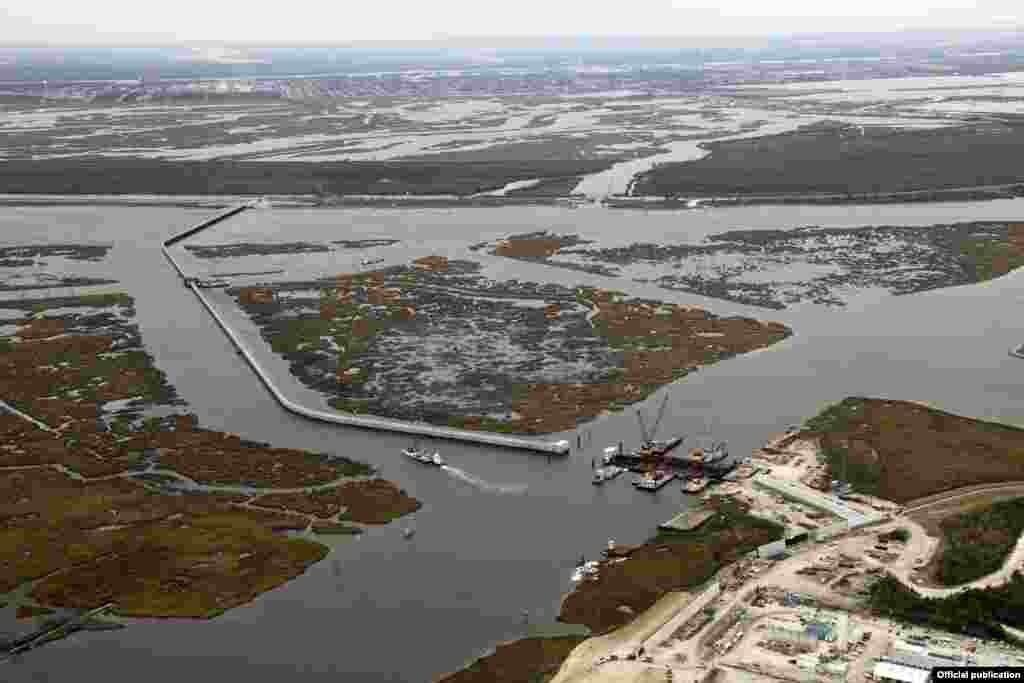
After Hurricane Katrina devastated New Orleans in 2005, its new flood infrastructure is tested by Hurricane Isaac almost exactly 7 years later.
Show more
Show less
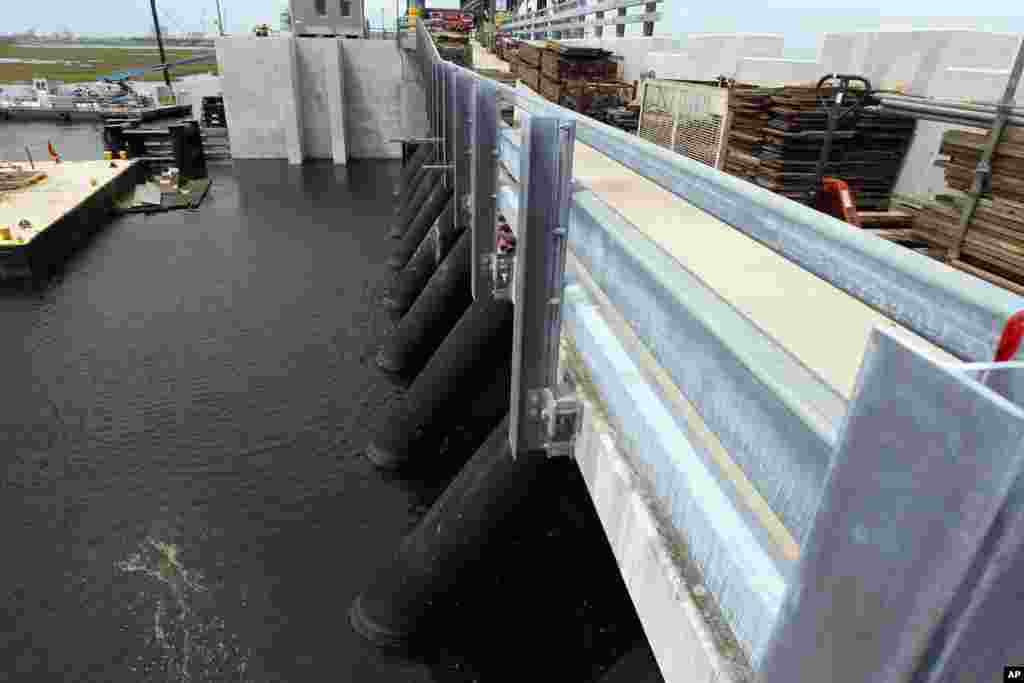
After Hurricane Katrina devastated New Orleans in 2005, its new flood infrastructure is tested by Hurricane Isaac almost exactly 7 years later.
Show more
Show less
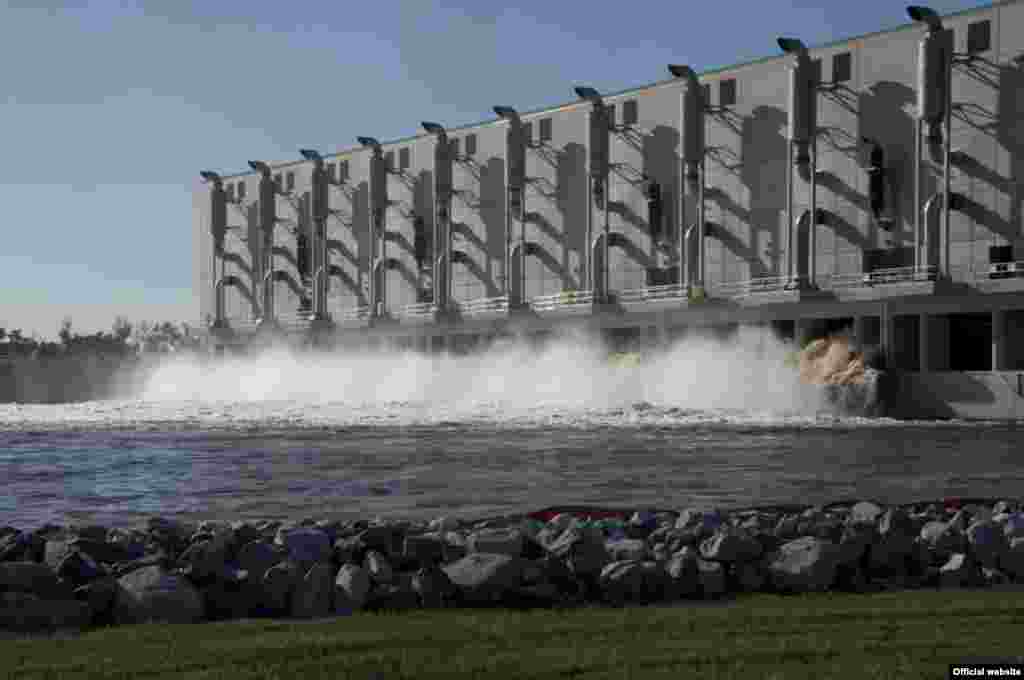
After Hurricane Katrina devastated New Orleans in 2005, its new flood infrastructure is tested by Hurricane Isaac almost exactly 7 years later.
Show more
Show less

After Hurricane Katrina devastated New Orleans in 2005, its new flood infrastructure is tested by Hurricane Isaac almost exactly 7 years later.
Show more
Show less

After Hurricane Katrina devastated New Orleans in 2005, its new flood infrastructure is tested by Hurricane Isaac almost exactly 7 years later.
Show more
Show less

After Hurricane Katrina devastated New Orleans in 2005, its new flood infrastructure is tested by Hurricane Isaac almost exactly 7 years later.
Show more
Show less