GIPOROSA, RWANDA —
The Rwandan genocide left behind an estimated 400,000 orphans. Some, now adults, found refuge in the Kigali slum Giporoso. Aid organizations raise money for Giporoso’s genocide survivors with street performances, but their problems remain overwhelming.
“My name is Negenzi Ali. I’m 23-years-old. Since 1997 I was in this Giporoso, alone, because I am orphan from Genocide. Have no dad, no mum, no sisters," said Ali.
“I decided to be a tattoo maker," he said. "Sometimes I made [for] the guys who need tattoo for genocide: ‘Never Again’.”
“When they make the tattoo and some guys decide to give me drugs …
… or sex.”
“My name is ‘Janet Jackson’," said Kayitesi Jeannette.
Orphans of the Rwanda Genocide
1/10Hundreds of orphans from Rwanda's 1994 genocide still struggle in Kigali's slums, many working as drug dealers or prostitutes to survive, the corridor Giporoso in Kigali, Rwanda, Nov 20, 2013. (Hamada Elrasam for VOA)
The Rwandan genocide happened 20 years ago, but the trauma experienced by its survivors still lies close to the surface.
Show moreShow less
2/10Orphans of the Rwandan genocide, Vansing (second from left) and his friends pick pockets, gamble and fight for their survival, Giporoso, Kigali, Rwanda, Nov. 15, 2013. (Hamada Elrasam for VOA)
The Rwandan genocide happened 20 years ago, but the trauma experienced by its survivors still lies close to the surface.
Show moreShow less
3/10Negenzi Ali (left), age 23, makes a tattoo of a Rwandan genocide slogan "never again" on Tomy's arm. Negenzi Ali says "I don't care about HIV transmission through my needles. Giporoso is killing our generation softly." Giporoso, Kigali, Rwanda, Nov. 5, 2013.
The Rwandan genocide happened 20 years ago, but the trauma experienced by its survivors still lies close to the surface.
Show moreShow less
4/10Kuitonda David, age 24, plays pool in the billiards hall where he works, Gibiloso, Kigali, Rwanda, Nov. 27, 2013. (Hamada Elrasam for VOA)
The Rwandan genocide happened 20 years ago, but the trauma experienced by its survivors still lies close to the surface.
Show moreShow less
5/10Vansing (left), age 20, fights with his friend Belusi, age 19, because he caught Belusi stealing from him, Giporoso, Kigali, Rwanda. Fri, Nov. 15, 2013. (Hamada Elrasam for VOA)
The Rwandan genocide happened 20 years ago, but the trauma experienced by its survivors still lies close to the surface.
Show moreShow less
6/10Bangladeshi Muslims try to climb on to the roof of an overcrowded train as they head to their homes ahead of Eid al-Fitr at a railway station in Dhaka.
The Rwandan genocide happened 20 years ago, but the trauma experienced by its survivors still lies close to the surface.
Show moreShow less
7/10Shakoul, age 20, a genocide orphan, talks to clients while he edits a wedding video in his studio, Giporoso, Kigali, Rwanda, Nov. 20, 2013. (Hamada Elrasam for VOA)
The Rwandan genocide happened 20 years ago, but the trauma experienced by its survivors still lies close to the surface.
Show moreShow less
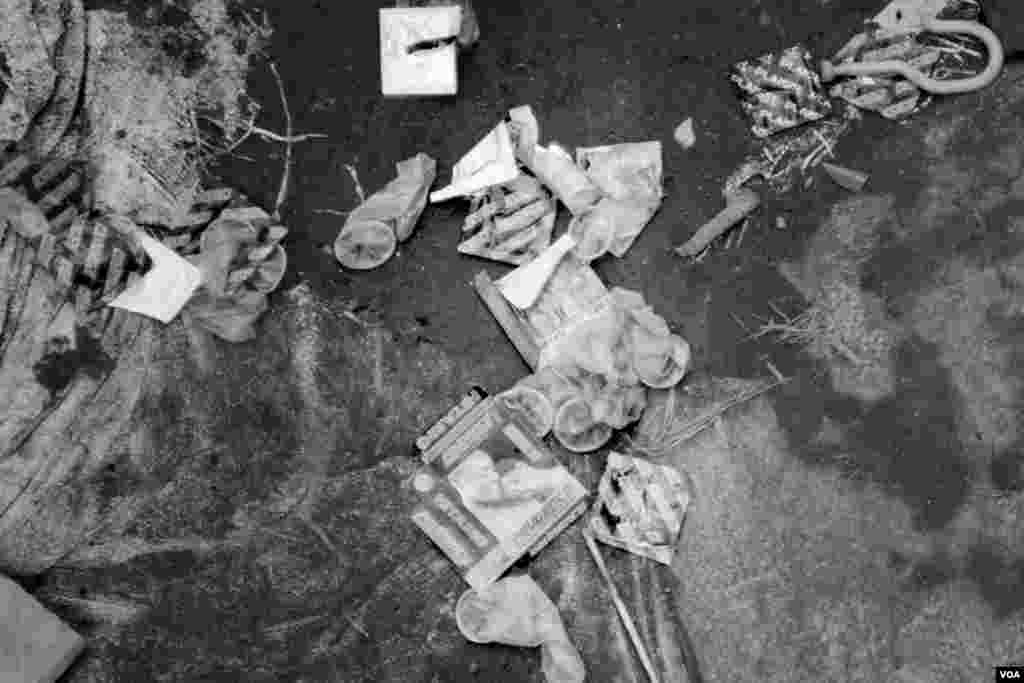
8/10The ground is littered with used condoms, Gibiloso, Kigali, Rwanda, Nov. 15, 2013. (Hamada Elrasam for VOA)
The Rwandan genocide happened 20 years ago, but the trauma experienced by its survivors still lies close to the surface.
Show moreShow less
9/10Vansing (right), drinks while he shares a meal with his friend Nshizirungu Amos, age 20. Vansing knew Nshizirungu Amos from an orphanage. Vansing says, "Life in Giblioso is like jail, but we have to share." (Hamada Elrasam for VOA)
The Rwandan genocide happened 20 years ago, but the trauma experienced by its survivors still lies close to the surface.
Show moreShow less
10/10Nshizirungu Amos (left) and Vansing walk among young children in the streets. The Rwanda genocide left orphans who still struggle with a lack of opportunities, terminal diseases, loneliness and distrust, which now threatens the new generation, Giporoso, Kigali, Nov. 27, 2013.
The Rwandan genocide happened 20 years ago, but the trauma experienced by its survivors still lies close to the surface.
Show moreShow less
Previous slide
Next slide
“Guys here in Giborosa , most of them are infected with HIV. My name is Kuitonda David. I am 24-years-old. I’m orphan by genocide.
"I work here, on pool table [hall]. Sometimes my friends are upset when they haven’t anywhere to sleep. I accept and I bring them home," he said.
“Also the gangsters who killed people to take their materials, doing like that," said Ali.
“I am Shakoul. I am after [more than] 20-years-old. I am editor in cinematography. And I try to work hard to make evolution because our country is needing people who can try to work hard. I like this picture because it reminds me, where we was, where we come from," he said.
“Sometimes, I used to pray in my room because I have many things I have to ask my God," said David.
“I beg my Allah to give me one million dollars to help the children I see on the streets," said Ali.