UN Appeals for Record $13 Billion for Millions in Need
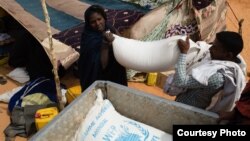
A recently arrived refugee from Mali is helped loading her rations of rice, oil and sugar onto a truck at the M'Berra refugee camp for Malian refugees in southeastern Mauritania, March 2, 2013. (Nyani Quarmyne/MSF)
GENEVA —
The United Nations says it needs a record $13 billion to help an unprecedented 73 million people in 24 countries until the end of the year. A mid-year review of the U.N.’s multi-billion-dollar Humanitarian Appeal 2013 shows needs are increasing and more money is required.
In December, the United Nations launched an appeal on behalf of 57 million people in desperate need of help in 24 countries. In just a few short months, the number of people needing help spiked to 73 million.
The United Nations attributes this increase to the crisis in Syria as well as the deteriorating situation in countries such as the Central African Republic and Mali.
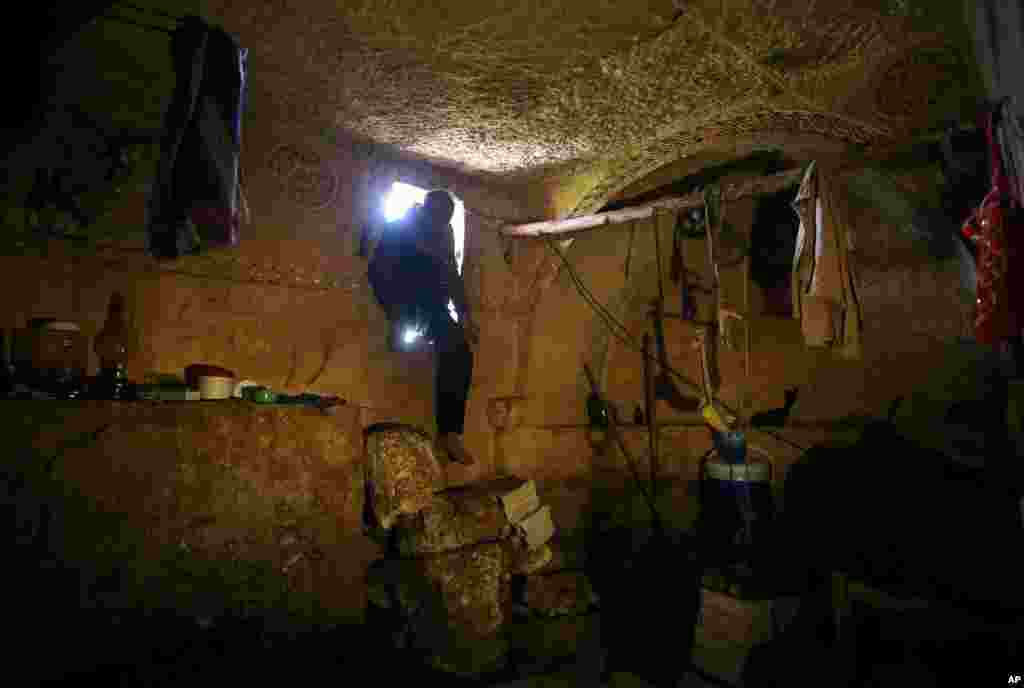
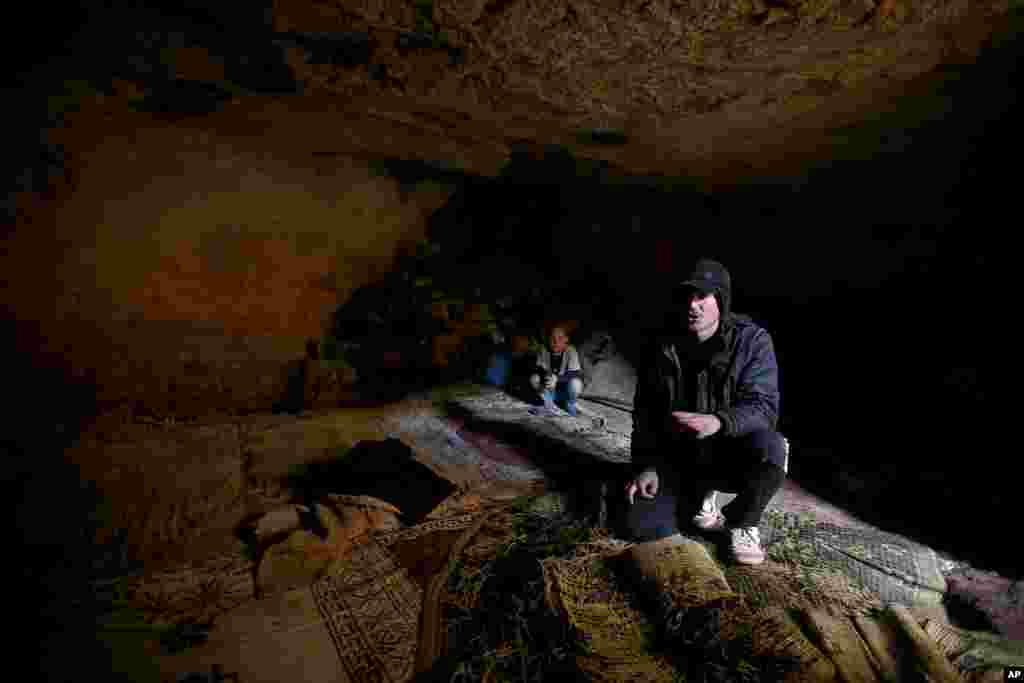
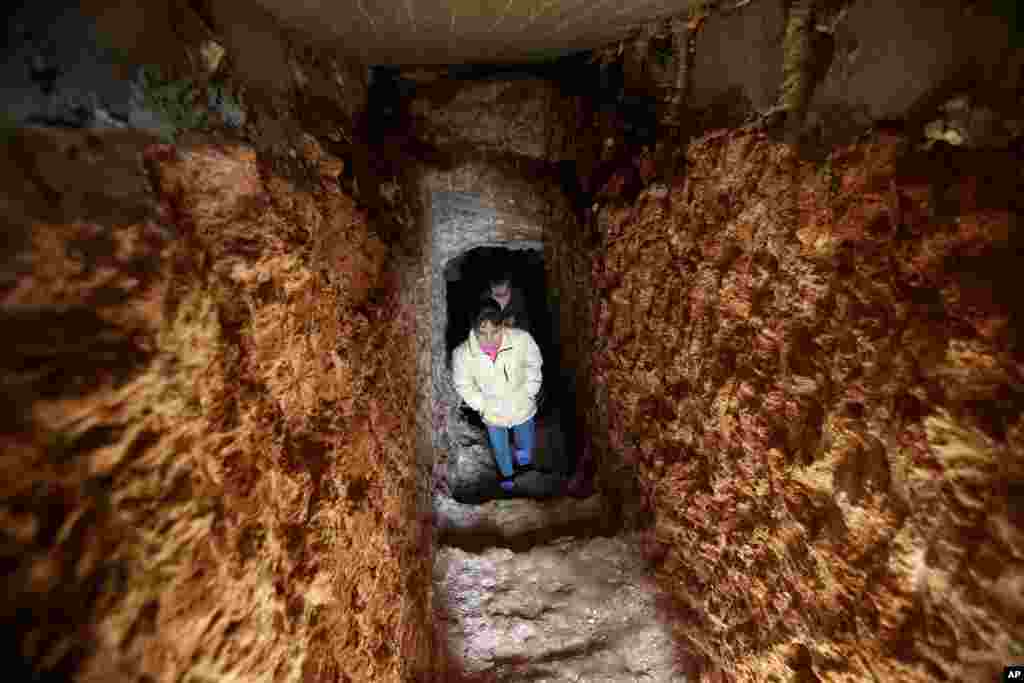
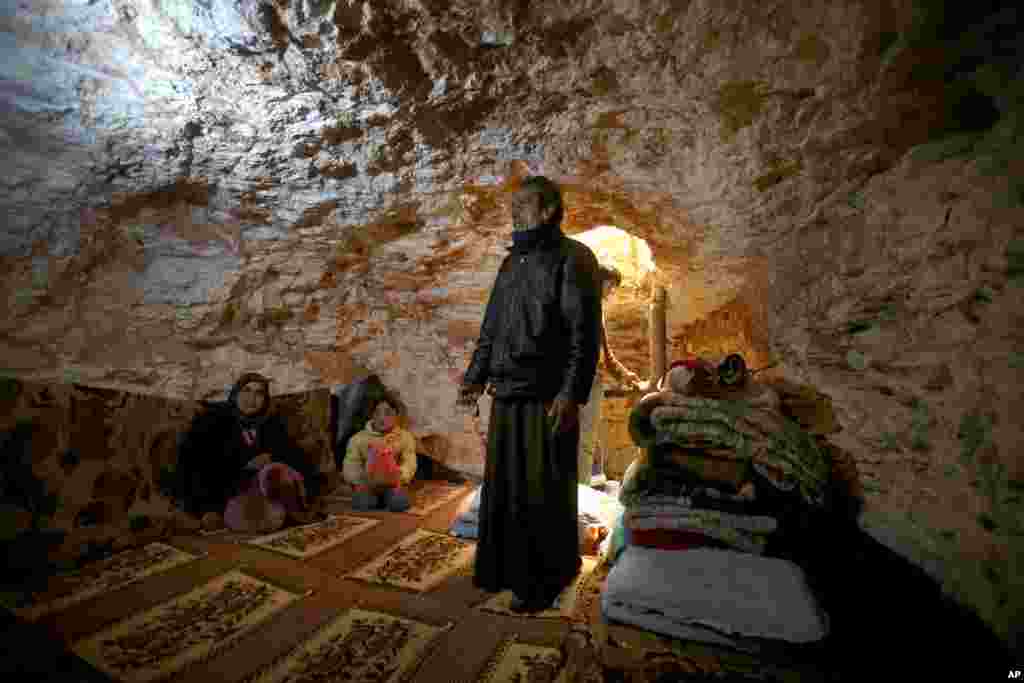
Syrians Take Shelter in Ancient and Medieval Sites
1/8Local residents ride a boat on a flooded road overflown by the Bago river at a low-lying part in Bago, 80 kilometers (50 miles) northeast of Yangon, Myanmar.
Across northern Syria, rebels, soldiers, and civilians are seeking shelter in ancient and medieval antiquities built of thick stone.
Show moreShow less
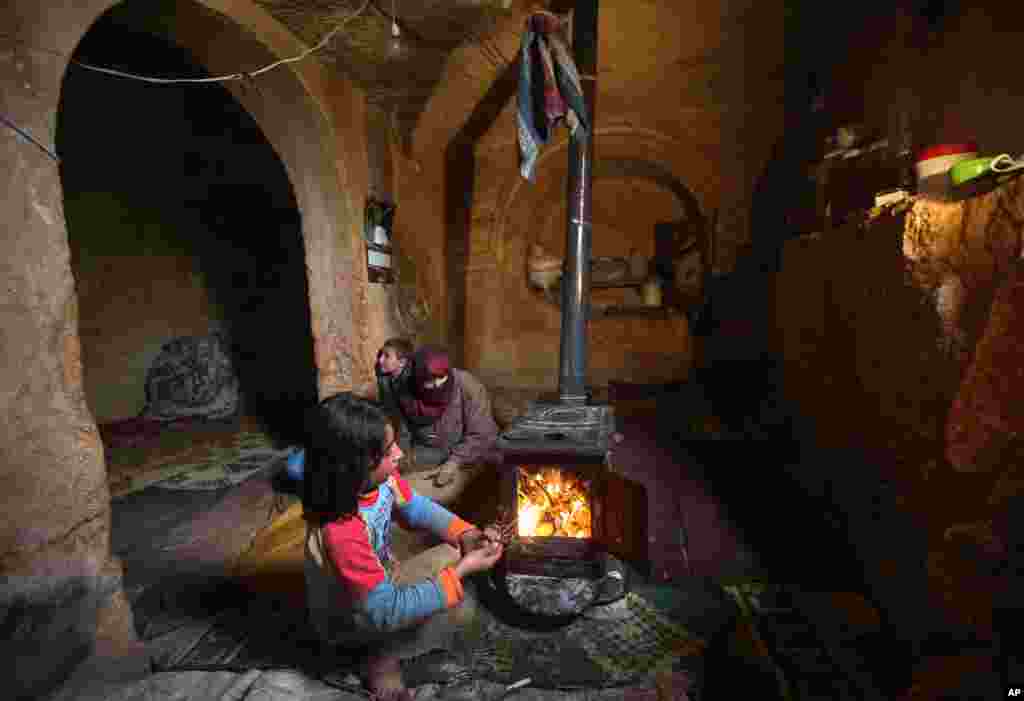
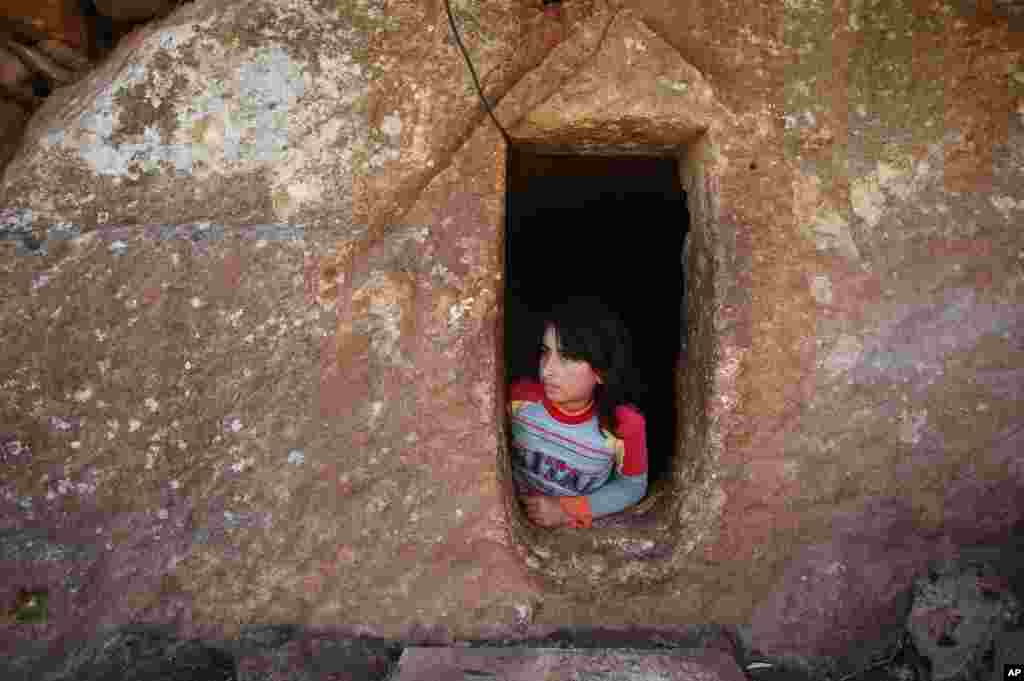
2/8Nihal, 9, puts olive tree branches inside a wooden stove at an underground Roman tomb which her family uses for shelter, Jabal al-Zaweya, Idlib province, Syria, Feb. 28, 2013.
Across northern Syria, rebels, soldiers, and civilians are seeking shelter in ancient and medieval antiquities built of thick stone.
Show moreShow less
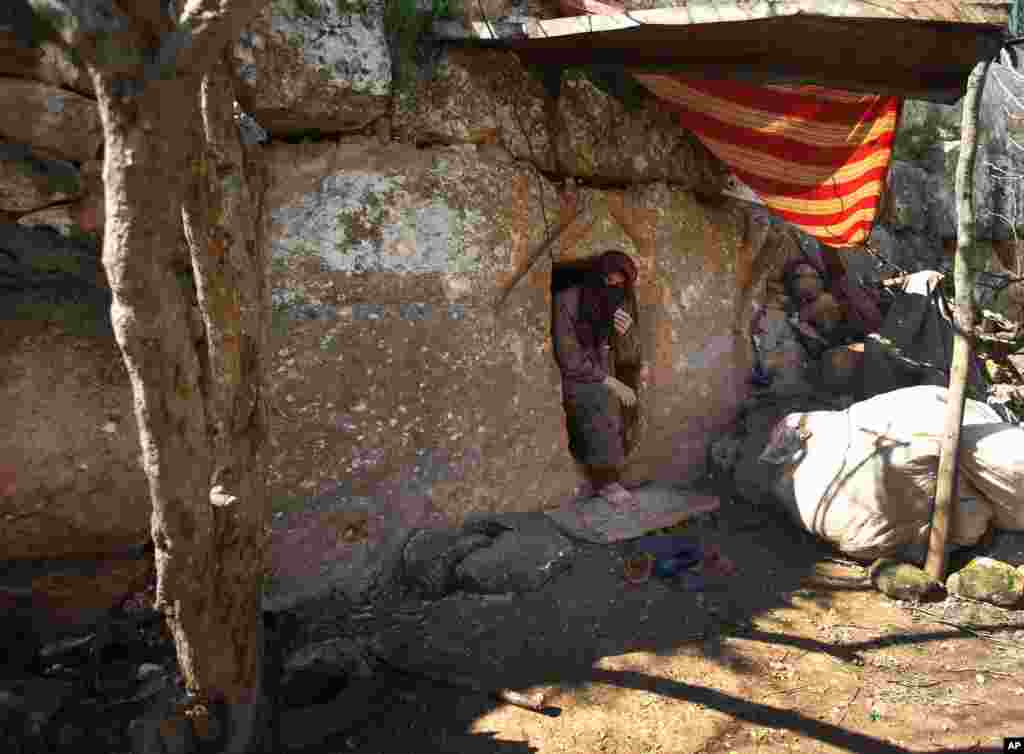
3/8Nadia, 53, steps out of an underground Roman tomb used as shelter from shelling and airstrikes, Jabal al-Zaweya, Idlib province, Syria, Feb. 28, 2013.
Across northern Syria, rebels, soldiers, and civilians are seeking shelter in ancient and medieval antiquities built of thick stone.
Show moreShow less
4/8Sami, 32, steps into an underground Roman tomb used for shelter from Syrian government shelling and airstrikes, Jabal al-Zaweya, Idlib province, Syria, Feb. 28, 2013.
Across northern Syria, rebels, soldiers, and civilians are seeking shelter in ancient and medieval antiquities built of thick stone.
Show moreShow less
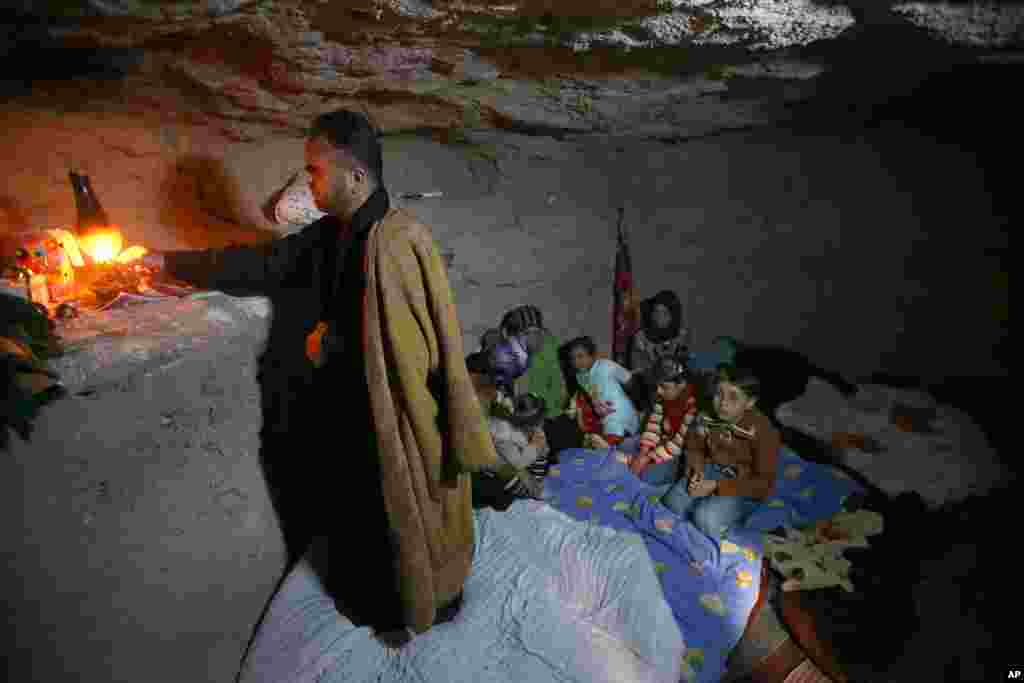
5/8A Free Syrian Army fighter, Abu Mohammed, speaks inside a cave used for shelter from Syrian government shelling and airstrikes, Jabal al-Zaweya, Idlib province, Syria, Feb. 28, 2013.
Across northern Syria, rebels, soldiers, and civilians are seeking shelter in ancient and medieval antiquities built of thick stone.
Show moreShow less
6/8Syrian children walk out of an underground tunnel that their father made with a jackhammer for shelter from Syrian government forces shelling and airstrikes, Jirjanaz village, Idlib province, Syria, Feb. 28, 2013.
Across northern Syria, rebels, soldiers, and civilians are seeking shelter in ancient and medieval antiquities built of thick stone.
Show moreShow less
7/8Sobhi al-Hamod, 60, stands inside an underground shelter he made using a jackhammer to protect his family from Syrian government forces shelling and airstrikes, Jirjanaz, Idlib province, Syria, Feb. 28, 2013.
Across northern Syria, rebels, soldiers, and civilians are seeking shelter in ancient and medieval antiquities built of thick stone.
Show moreShow less
8/8Nihal, 9, looks at the entrance of an underground Roman tomb used as shelter from Syrian government shelling and airstrikes, Jabal al-Zaweya, Idlib province, Syria, Feb. 28, 2013.
Across northern Syria, rebels, soldiers, and civilians are seeking shelter in ancient and medieval antiquities built of thick stone.
Show moreShow less
Previous slide
Next slide
To date, the United Nations has received just more than $5 billion from its appeal.
Under-Secretary-General for Humanitarian Affairs and Emergency Relief Coordinator Valerie Amos said in a normal year this would be a huge amount of money. But this is an extraordinary year requiring extraordinary measures.
“The people in the Central African Republic, Niger, Afghanistan, Sudan, the Democratic Republic of Congo, Yemen, and Chad among many others need help to feed their families, to treat malnourished children and to get safe drinking water and other essential supplies," said Amos. "That money that has been given to us so far has been used, for example, in South Sudan to provide nearly 450,000 people with safe drinking water. In Mali, nutrition agencies have been able to treat around 77,000 children suffering from life-threatening or acute malnutrition.”
Some country situations have worsened since the beginning of the year. But the mid-term humanitarian action review shows the severity of emergencies has lessened in other places. It says countries such as Kenya, Mauritania, South Sudan and Somalia are reducing their appeals, though millions of people there will require ongoing assistance.
Amos said the United Nations has to raise an extra $8.6 billion by the end of the year because of the expanding needs, adding that the consequences of not getting the money are grim.
“We are always focused on the people who are most vulnerable, who are most in need," she said. "It means that some of those people do not get the safe water they need. They do not get the shelter that they need. They do not get the food that they need. They do not get the health care that they need.”
Syria remains the biggest emergency. The United Nations notes nearly seven-million people inside the country and around 1.8 million Syrian refugees in the region are in need of help. At the same time, U.N. Humanitarian Chief Amos said Syria must not suck all the money out of the system. Millions of people in so-called forgotten crises such as the Central African Republic and Mali also are in need of help.