



NAIROBI —
Mourning the loss of a man who bridged South Africa's racial divide, many Africans hope their leaders today will be inspired by Nelson Mandela to heal another rift widening dangerously across the continent: the wealth gap.
“We need the next Mandela to fight for the poor,” said Thomas Kozzih, 30, a community worker in Nairobi's Kibera slum - an expanse of metal shacks butting up against smart new flats that testify to Africa's new growth that has left many behind.
“We have to get a person who is not after his own riches, a common man. The poor are marginalized,” he said echoing the sentiments of Africans long used to the politics of “Big Men” who have lived in luxury as their citizens scrabble to eat.
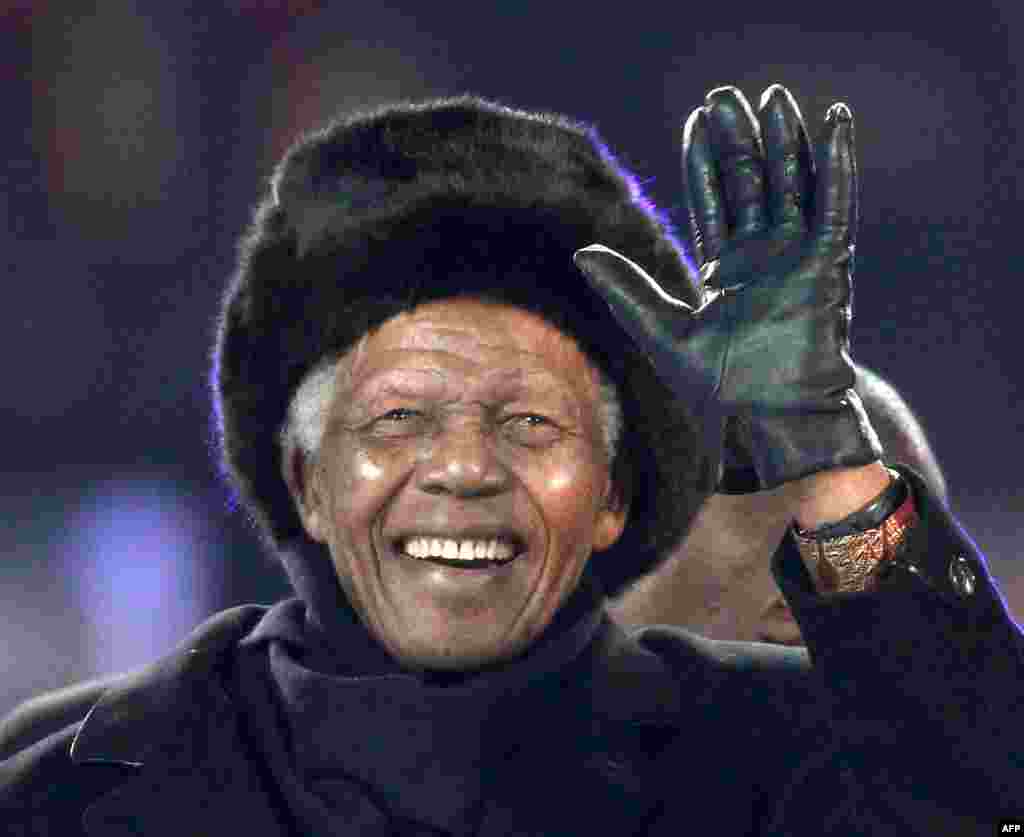
Mandela, 95, who died on Thursday, delivered what many thought impossible after his release from prison in 1990 by building a democracy where both white and black had the vote.
But he was stung by some critics who said the deal which gave majority blacks the biggest say in politics left minority whites in charge of the economy and big business.
That wealth gap in South Africa, the biggest economy in Sub-Saharan Africa, remains stark today. For some on the continent, it is a blot on Mandela's legacy.
“If I can think of one area where Mandela did not impress me so much was failing to help black people to a good level (of living),” said Joel Tugume, 28, who runs an internet cafe in the Ugandan capital Kampala.
“He allowed whites to remain in control of the economy and that will forever maintain the huge economic difference that we see between blacks and whites in South Africa. I think he should have done much more in uplifting blacks economically,” he said.
Africa has changed dramatically in the almost quarter of a century since Mandela left his prison cell, becoming an icon for a continent that had for decades only seemed to hit headlines because of war, famine and corruption.
Those still make front page news, but so too does the “Africa Rising” narrative, a story of a continent that now boasts growth that industrialized nations and even some other emerging markets view with envy.
Growth rates of 6, 7 or 8 percent are common, giving Africa its best chance ever to start dragging its citizens out of poverty. A commodities boom has helped, but so has the growing number of middle class consumers.
An example to leaders
“Without Mandela, would Africa be experiencing its best decade of growth and poverty reduction?” Bono, singer for the rock group U2 who has campaigned to help Africa's poor, wrote in an article for Time.
There are also more democracies than at any time in Africa's history. Yet many leaders still do not follow the example of Mandela, who promised to serve one term in office - and did just that. Winning the presidency in 1994, he stood down in 1999.
“We are in trouble in Africa. We have been left without leadership,” said Catherine Ochieng, 32, a teacher in Kenya's western city of Kisumu. “No one will fit Mandela's shoes. Dictators who are power hungry will kill Africa's dream.”
Across Sub-Saharan Africa, several presidents have clung to office for years by amending constitutions or rigging ballots, often after promising to change the old order.
The leaders of Equatorial Guinea, Angola, Zimbabwe and Cameroon have all been in power three decades or longer. Another half a dozen or so - such as those in Uganda, Sudan, Chad, Burkina Faso and Eritrea - have held office for about 20 years or more. Others, including the leaders of the Democratic Republic of Congo, Gabon and Kenya, are sons of presidents.
“What pains me is that Africans have not learned anything from Nelson Mandela's struggle. For example, look at our leaders. They look at power as something they should not relinquish but pass on to their kin,” said Moussa Diabate, a driver in the Ivory Coast.
His country was plunged into a brief conflict in 2011 when former President Laurent Gbagbo refused to cede power after an election he lost to a rival.
“The example of South Africa inspired us and we ask other African leaders to follow his example to allow us to advance even further,” said Dark Tshibanda, an accountant in the Democratic Republic of Congo, which has suffered from war, rebellions and decades of the epic misrule of the quintessential big man, Mobutu Sese Seko.
Tributes from African leaders themselves said Mandela's influence had helped change the rules on the continent.
“It is no coincidence that in the years since Mandela's release so much of Africa has turned toward democracy and the rule of law,” Ghana's President John Dramani Mahama wrote in an article in the New York Times.
“It wasn't just Nelson Mandela who was transformed during those years of his imprisonment. We all were. And Africa is all the better because of that.”
Interactive Timeline: The Life of Nelson Mandela
“We need the next Mandela to fight for the poor,” said Thomas Kozzih, 30, a community worker in Nairobi's Kibera slum - an expanse of metal shacks butting up against smart new flats that testify to Africa's new growth that has left many behind.
Nelson Mandela
Nelson Mandela- 1918 - Born in Transkei, South Africa
- 1944 - Joined African National Congress
- 1956 - Charged with treason, later acquitted
- 1962 - Convicted of sabotage and sentenced to 5 years
- 1964 - Sentenced to life in prison for plotting to overthrow the government
- 1990 - Released from prison
- 1991 - Elected president of ANC
- 1993 - Won Nobel Peace Prize
- 1994 - Elected president of South Africa
- 1999 - Decided not to seek a second term as president
- 2004 - Retired from public life
- 2007 - Formed The Elders group
- 2011 - Briefly hospitalized for a chest infection
- 2012 - Hospitalized again,this time for gallstones
- 2013 - Treated for a recurring lung infection, dies on Dec. 5
Mandela, 95, who died on Thursday, delivered what many thought impossible after his release from prison in 1990 by building a democracy where both white and black had the vote.
But he was stung by some critics who said the deal which gave majority blacks the biggest say in politics left minority whites in charge of the economy and big business.
That wealth gap in South Africa, the biggest economy in Sub-Saharan Africa, remains stark today. For some on the continent, it is a blot on Mandela's legacy.
“If I can think of one area where Mandela did not impress me so much was failing to help black people to a good level (of living),” said Joel Tugume, 28, who runs an internet cafe in the Ugandan capital Kampala.
“He allowed whites to remain in control of the economy and that will forever maintain the huge economic difference that we see between blacks and whites in South Africa. I think he should have done much more in uplifting blacks economically,” he said.
Africa has changed dramatically in the almost quarter of a century since Mandela left his prison cell, becoming an icon for a continent that had for decades only seemed to hit headlines because of war, famine and corruption.
Those still make front page news, but so too does the “Africa Rising” narrative, a story of a continent that now boasts growth that industrialized nations and even some other emerging markets view with envy.
Growth rates of 6, 7 or 8 percent are common, giving Africa its best chance ever to start dragging its citizens out of poverty. A commodities boom has helped, but so has the growing number of middle class consumers.
An example to leaders
“Without Mandela, would Africa be experiencing its best decade of growth and poverty reduction?” Bono, singer for the rock group U2 who has campaigned to help Africa's poor, wrote in an article for Time.
There are also more democracies than at any time in Africa's history. Yet many leaders still do not follow the example of Mandela, who promised to serve one term in office - and did just that. Winning the presidency in 1994, he stood down in 1999.
“We are in trouble in Africa. We have been left without leadership,” said Catherine Ochieng, 32, a teacher in Kenya's western city of Kisumu. “No one will fit Mandela's shoes. Dictators who are power hungry will kill Africa's dream.”
Across Sub-Saharan Africa, several presidents have clung to office for years by amending constitutions or rigging ballots, often after promising to change the old order.
The leaders of Equatorial Guinea, Angola, Zimbabwe and Cameroon have all been in power three decades or longer. Another half a dozen or so - such as those in Uganda, Sudan, Chad, Burkina Faso and Eritrea - have held office for about 20 years or more. Others, including the leaders of the Democratic Republic of Congo, Gabon and Kenya, are sons of presidents.
“What pains me is that Africans have not learned anything from Nelson Mandela's struggle. For example, look at our leaders. They look at power as something they should not relinquish but pass on to their kin,” said Moussa Diabate, a driver in the Ivory Coast.
His country was plunged into a brief conflict in 2011 when former President Laurent Gbagbo refused to cede power after an election he lost to a rival.
“The example of South Africa inspired us and we ask other African leaders to follow his example to allow us to advance even further,” said Dark Tshibanda, an accountant in the Democratic Republic of Congo, which has suffered from war, rebellions and decades of the epic misrule of the quintessential big man, Mobutu Sese Seko.
Tributes from African leaders themselves said Mandela's influence had helped change the rules on the continent.
“It is no coincidence that in the years since Mandela's release so much of Africa has turned toward democracy and the rule of law,” Ghana's President John Dramani Mahama wrote in an article in the New York Times.
“It wasn't just Nelson Mandela who was transformed during those years of his imprisonment. We all were. And Africa is all the better because of that.”
Interactive Timeline: The Life of Nelson Mandela