Pilgrims Perform Ritual Devil Stoning as Hajj Draws to Close
MENA, SAUDI ARABIA —
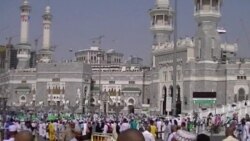
Hundreds of thousands of Muslim pilgrims performed the ritual stoning of the Devil on Wednesday as the annual hajj season drew to a close with no significant tragedies reported by Saudi authorities who were determined to ensure a safe pilgrimage.
In June, Saudi religious authorities approved a request by the government to cut the number of pilgrims from abroad this year by a fifth and halve the number of pilgrims from inside Saudi Arabia due to expansion work on the Grand Mosque in Mecca.
As a result, 1.98 million pilgrims performed hajj, one of the pillars of Islam, this year against 3.2 million last year. The numbers are expected to go back up next year.
The hajj, which culminates in the three-day Muslim festival of Eid al-Adha, officially ends on Thursday.
“This hajj was very easy as you can see its empty, so there's no pushing or people throwing stones at your head,” said Hassan Saleh, an Egyptian pilgrim from Cairo.
“Last time I was here, you couldn't even walk in the street because of the crowds,” Saleh, a driver who performed hajj three years ago, told Reuters.
Muslims Mark Eid al-Adha
1/8A Muslim girl holds a balloon during a morning prayer marking the Eid al-Adha holiday on a street in Jakarta, Indonesia, Oct. 15, 2013.
Show moreShow less
2/8Muslims travel on the roof of a train as they head to their homes ahead of Eid al-Adha as others wait at a railway station in Dhaka, Bangladesh, Oct. 15, 2013.
Show moreShow less
3/8Members of the Afghan guard of honor perform Eid al-Adha prayers outside a mosque at the presidential palace in Kabul, Afghanistan, Oct 15, 2013.
Show moreShow less
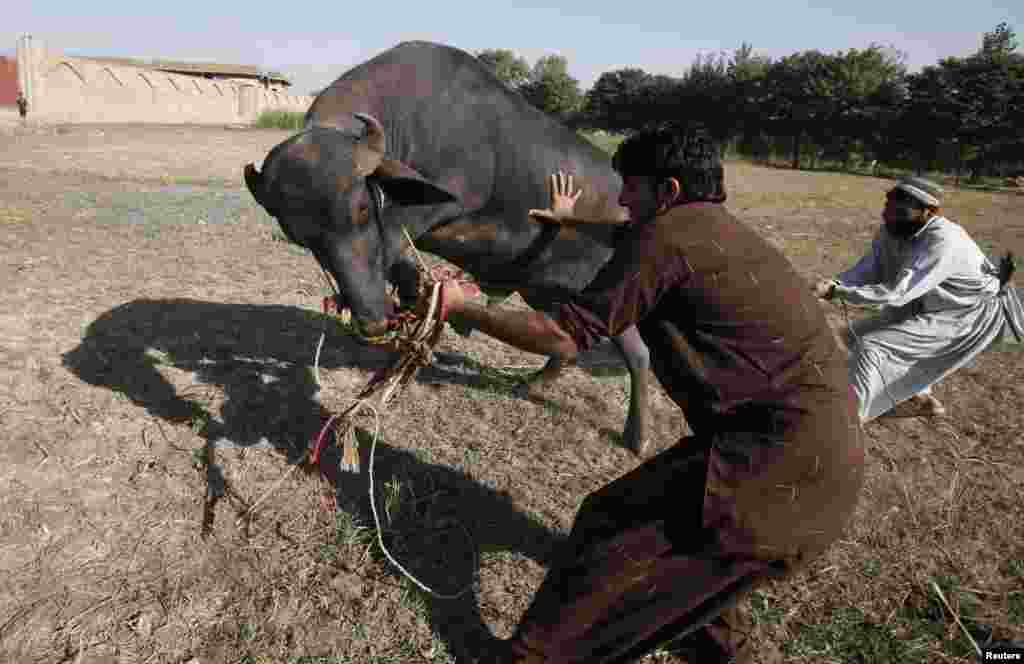
4/8Afghan men prepare to slaughter a buffalo during Eid al-Adha at Kacha Garhi Afghan refugee camp, located in the outskirts of Peshawar, Pakistan, Oct. 15, 2013.
Show moreShow less
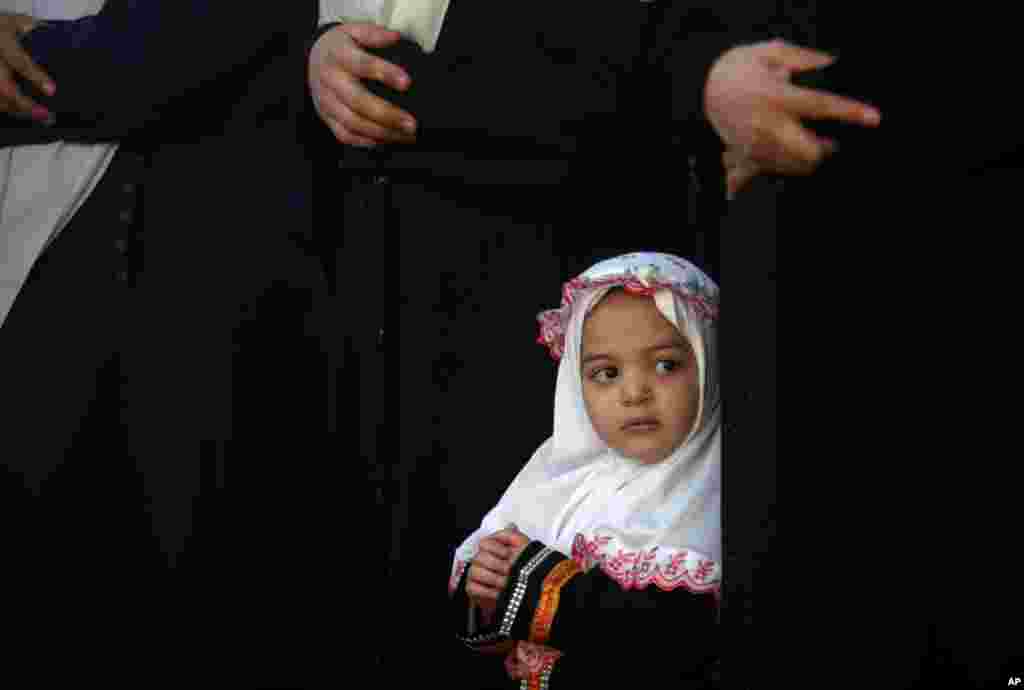
5/8Yaman o'quvchi qizlari hukumat tomonidan mukofot olmoqda
Show moreShow less
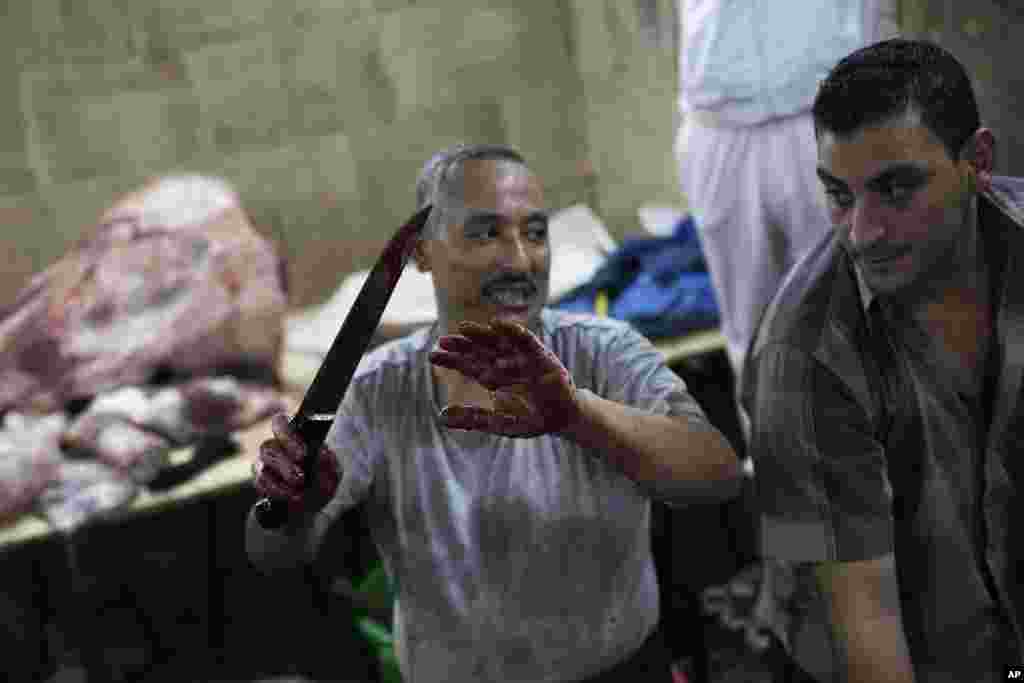
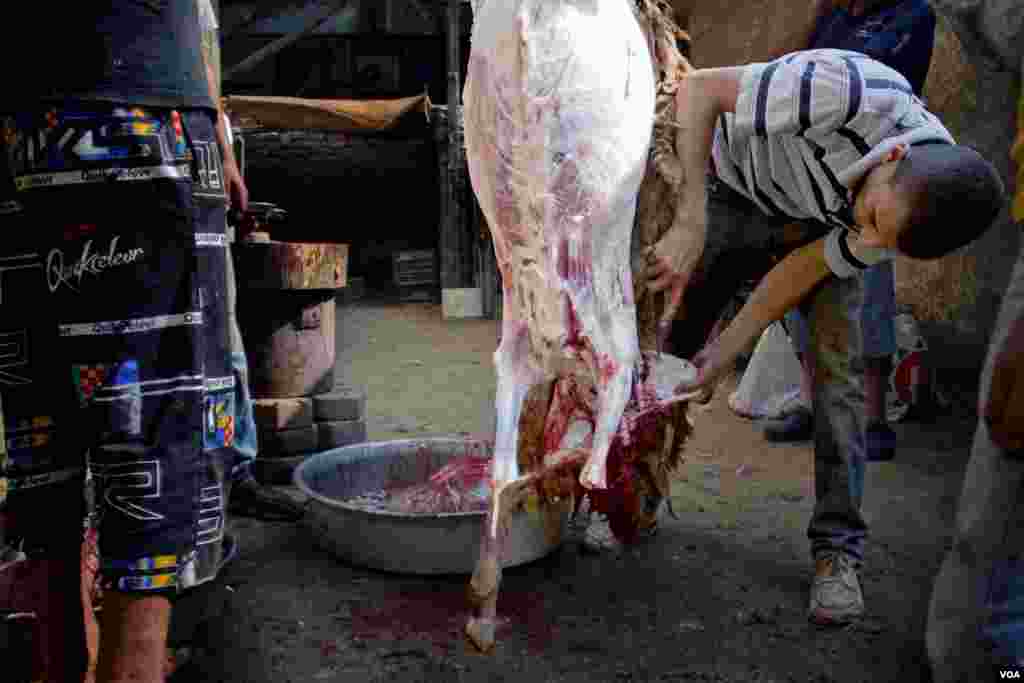
6/8Butcher Hossam Hassan cuts lamb during Eid Al-Adha rituals in Maadi, Cairo, Oct. 15, 2013. (Hamada Elrasam for VOA)
Show moreShow less
7/8A macaw stands in the window ledge of an apartment, waiting to be fed by the apartment owner, in Caracas, Venezuela.
Show moreShow less
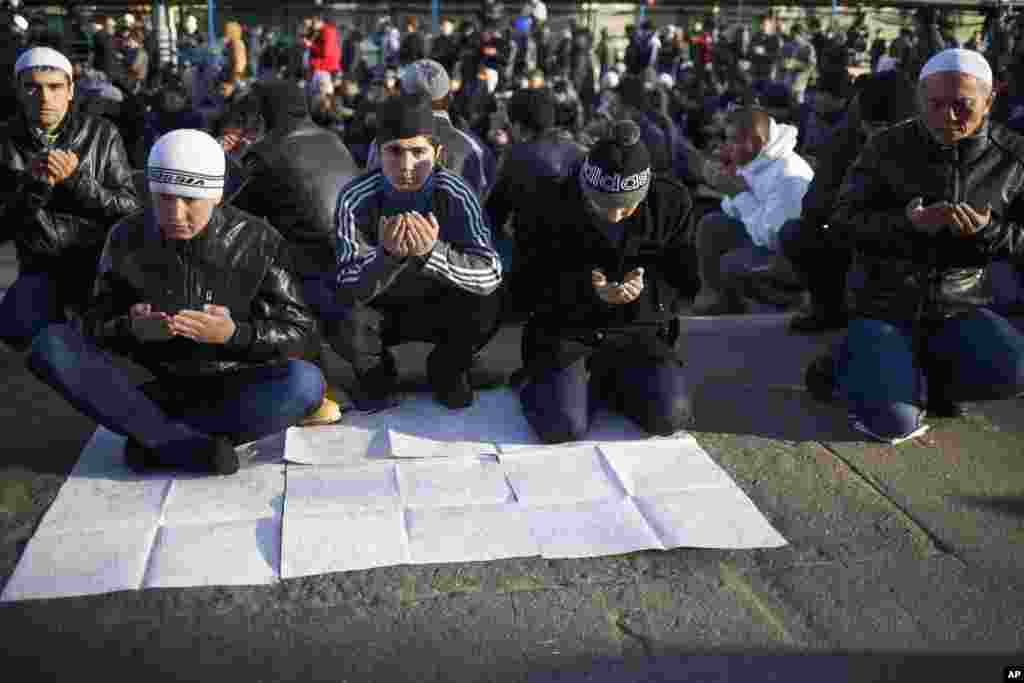
8/8Muslims pray outside Moscow's main mosque during celebrations of Eid al-Adha, Oct. 15, 2013.
Show moreShow less
Previous slide
Next slide
Although Saudi authorities did not draw a link with the issue, they have been concerned about whether the influx of people for hajj could help spread the SARS-like coronavirus MERS, which has killed 51 people in the kingdom.
The pilgrimage, one of the largest religious gatherings in the world, has been prone to disasters in the past, mainly from stampedes as pilgrims rushed to complete rituals and return home. Hundreds of pilgrims died in a stampede in 2006.
Saudi authorities have since lavished vast sums to expand the main hajj sites and improve Mecca's transportation system.
Lower numbers
Of the total number of pilgrims this year, 1.38 million came from 188 countries, a 21 percent slide, and the remaining were domestic pilgrims, with their numbers dropping by around 57 percent.
“Many Saudis and other people who live in Saudi Arabia didn't come to the hajj this year because they were scared of this coronavirus spreading,” said Hassan Al Fares, a pilgrim from Saudi Arabia's Eastern province.
The Saudi ministry of health confirmed several times this week that no cases of the deadly MERS virus were reported among pilgrims.
Hajj security authorities also confirmed at a news conference late on Tuesday that no major incidents such as stampedes or political protests occurred this year. Some 95,000 members of the security forces were drafted to maintain order.
Aware of the potential for incidents to flare into political violence at a time of upheaval across the Middle East, including the war raging in Syria, Saudi Interior Minister Prince Mohammed bin Nayef asked pilgrims to leave disputes at home.
Regional Arab and Muslim organizations had pleaded with President Bashar al-Assad and Syrian rebels to mark Eid with a ceasefire, to no avail.
“We come here in peace and we will leave in peace, there's no need to hold a protest in the holy land, but prayers said here are like rockets they go straight to God who will free us from Bashar,” said pilgrim Khalid al-Semari, a Syrian health worker.
Reuters is a news agency founded in 1851 and owned by the Thomson Reuters Corporation based in Toronto, Canada. One of the world's largest wire services, it provides financial news as well as international coverage in over 16 languages to more than 1000 newspapers and 750 broadcasters around the globe.