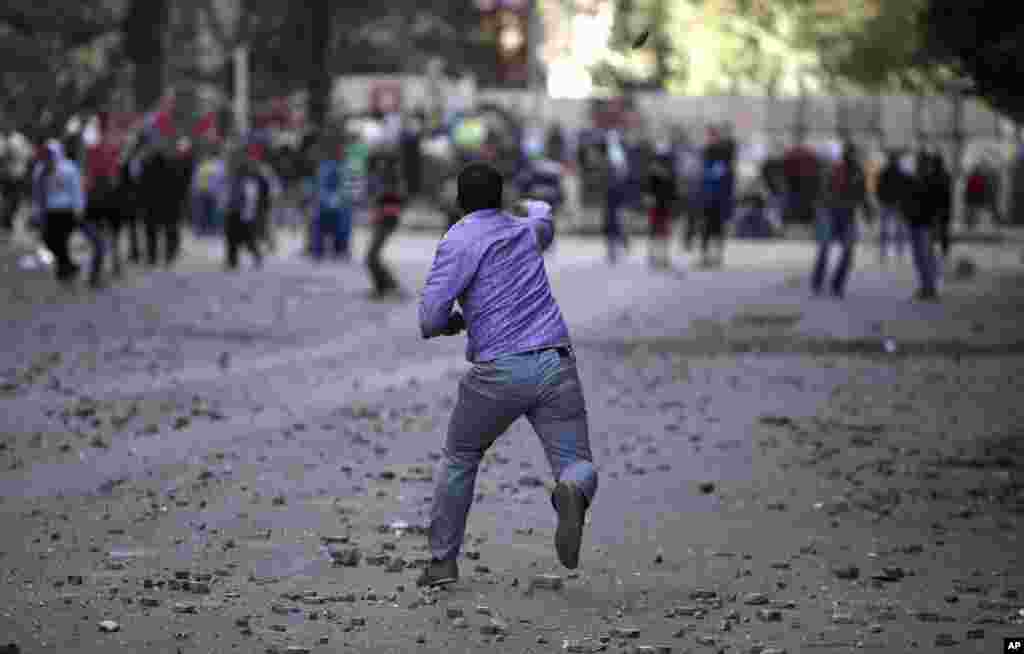
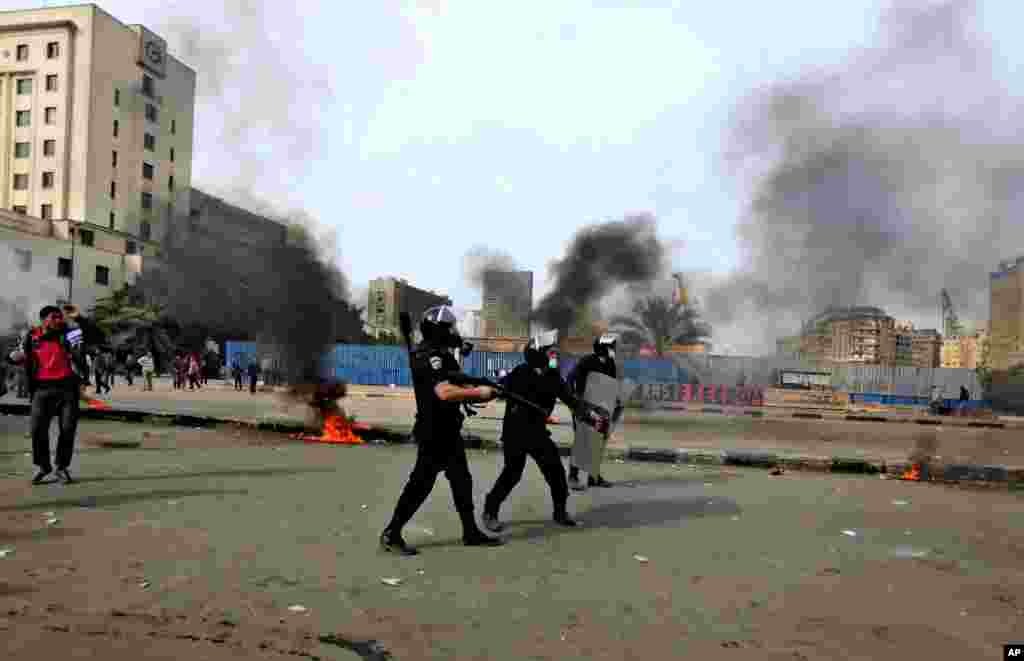
Photographers cower as protesters throw stones towards riot police along Sheikh Rihan street near Tahrir Square in Cairo January 25, 2013.
CAIRO —
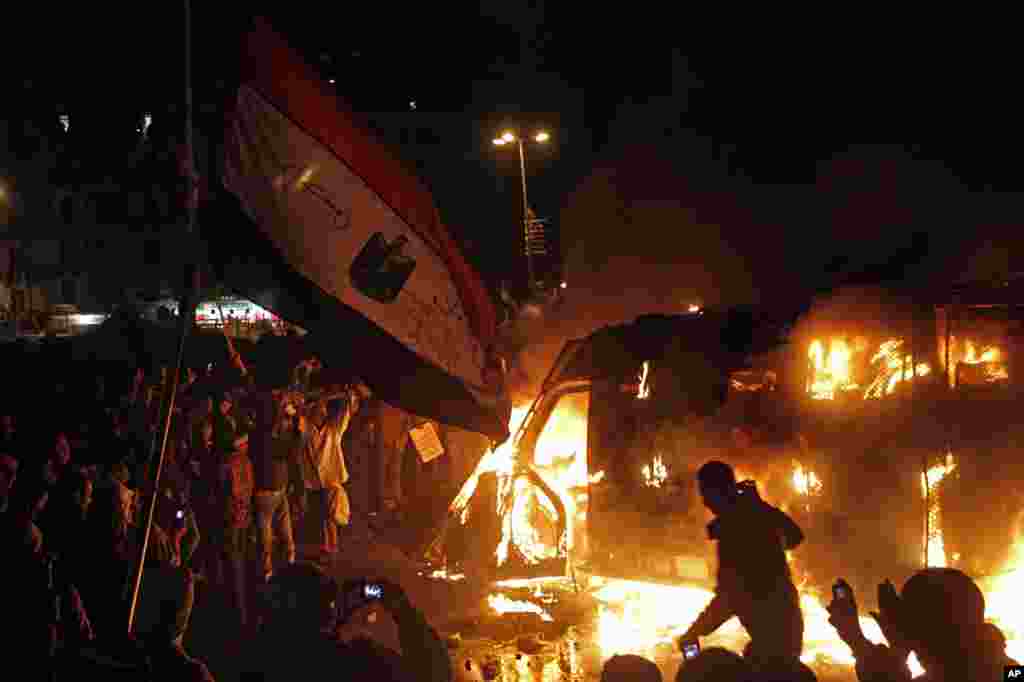
Egyptian protestors clashed with riot police in cities throughout Egypt on Friday leaving at least seven people dead, as protesters marked the second anniversary of the uprising that ousted longtime leader Hosni Mubarak.
The government-controlled news agency MENA reports more than 450 people were injured in the violence.
A health ministry spokesman said six of the fatalities occurred in the city of Suez, where protesters with rocks and bottles battled heavily armed security forces, before government troops took up positions in the city early Saturday. A seventh victim died in Ismalia.
In Cairo, thousands of protesters marched towards Tahrir Square, where police fired tear gas on stone-throwing demonstrators attempting to approach a wall that security forces had erected to secure government buildings in the area.
Similar clashes were reported in the cities of Alexandria, Suez and Ismailia.
Egypt's emergency services say more than 100 people were injured in Friday's mass rallies.
The secular-leaning political opposition has called for protests Friday against President Mohamed Morsi and the Islamist Muslim Brotherhood party. Opposition leader Mohamed ElBaradei has used his Twitter account to call on protesters to "finally achieve the objectives of the revolution."
Egyptian Crisis Continues
1/10Pro and anti-government protesters throw stones during clashes near Tahrir Square in Cairo, Egypt, January 30, 2013.
Egyptian President Mohamed Morsi is making a shortened visit to Germany Wednesday, as a political crisis marked by days of protests continues at home.
Show moreShow less
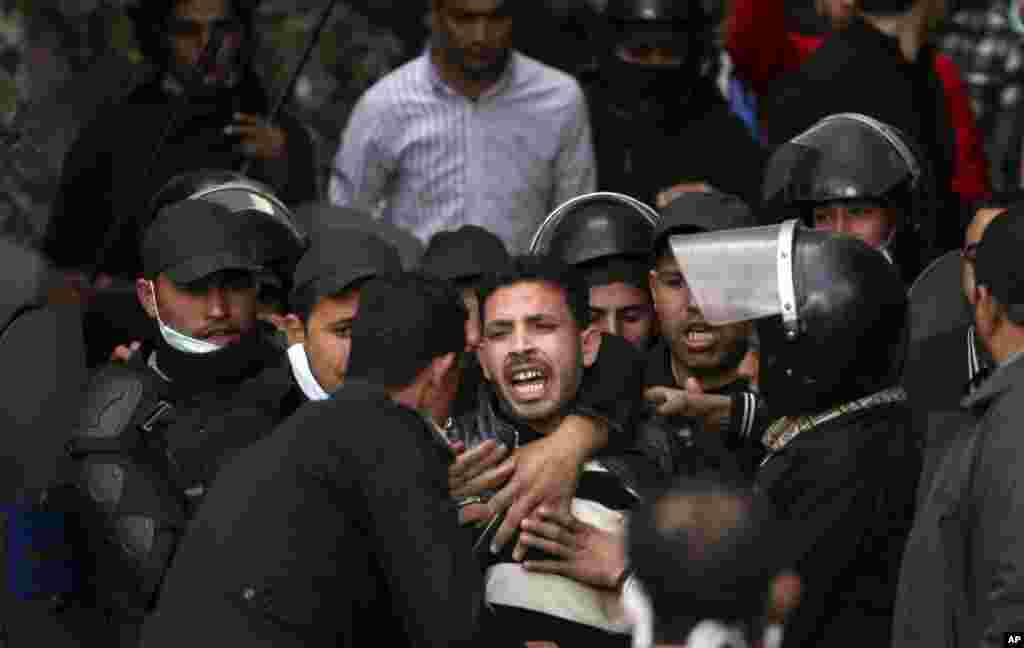
2/10Egyptian riot police arrest a man during clashes with protesters near Tahrir Square in Cairo, Egypt, January 30, 2013.
Egyptian President Mohamed Morsi is making a shortened visit to Germany Wednesday, as a political crisis marked by days of protests continues at home.
Show moreShow less
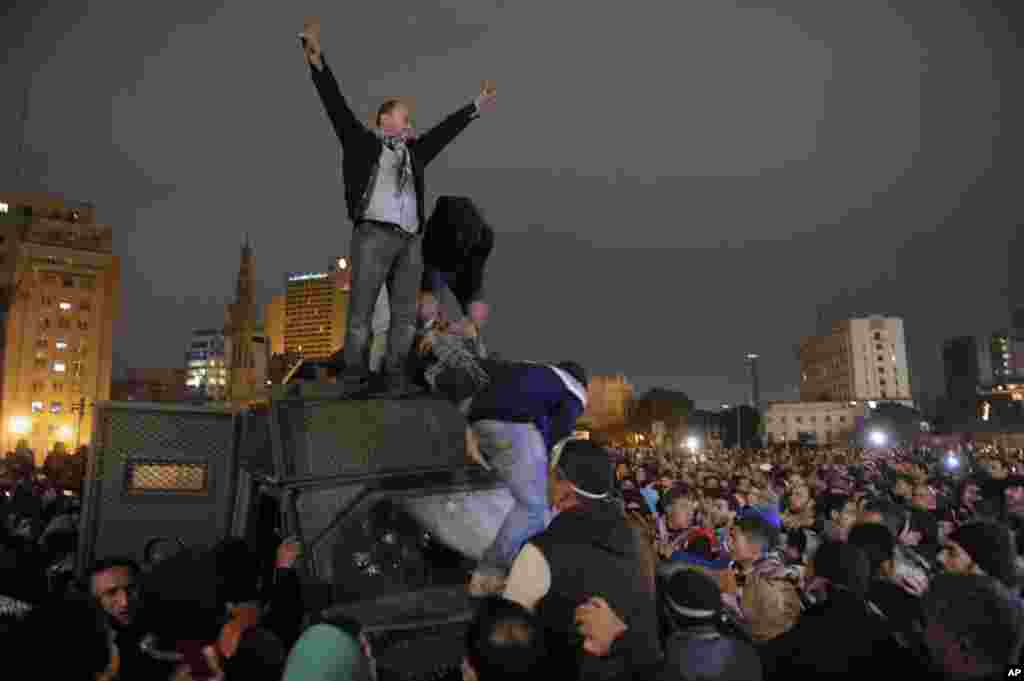
3/10Protesters celebrate the capture of a state security armored vehicle that demonstrators commandeered during clashes with security forces and brought to nearby Tahrir Square in Cairo, Egypt, January 28, 2013.
Egyptian President Mohamed Morsi is making a shortened visit to Germany Wednesday, as a political crisis marked by days of protests continues at home.
Show moreShow less
4/10De meilleures pratiques culturales permettent de combattre la désertification
Egyptian President Mohamed Morsi is making a shortened visit to Germany Wednesday, as a political crisis marked by days of protests continues at home.
Show moreShow less
5/10Egyptian riot police clash with protesters, not seen, near Tahrir Square, Cairo, Egypt, January 27, 2013.
Egyptian President Mohamed Morsi is making a shortened visit to Germany Wednesday, as a political crisis marked by days of protests continues at home.
Show moreShow less
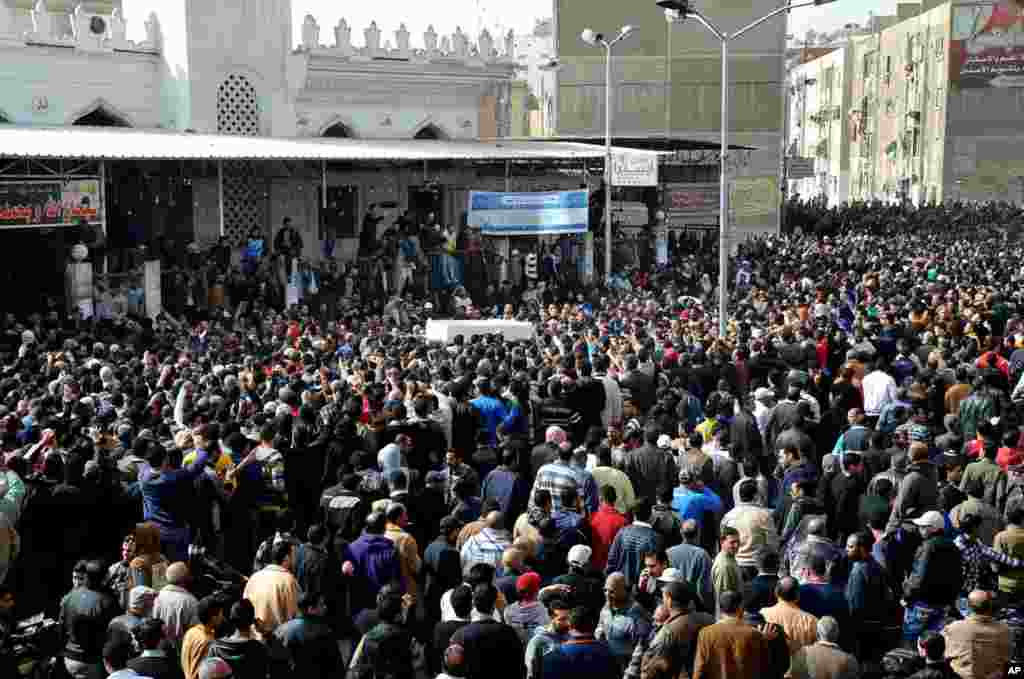
6/10Egyptians carry the coffin of a man killed protests a day earlier in Port Said, Egypt, January 27, 2013.
Egyptian President Mohamed Morsi is making a shortened visit to Germany Wednesday, as a political crisis marked by days of protests continues at home.
Show moreShow less
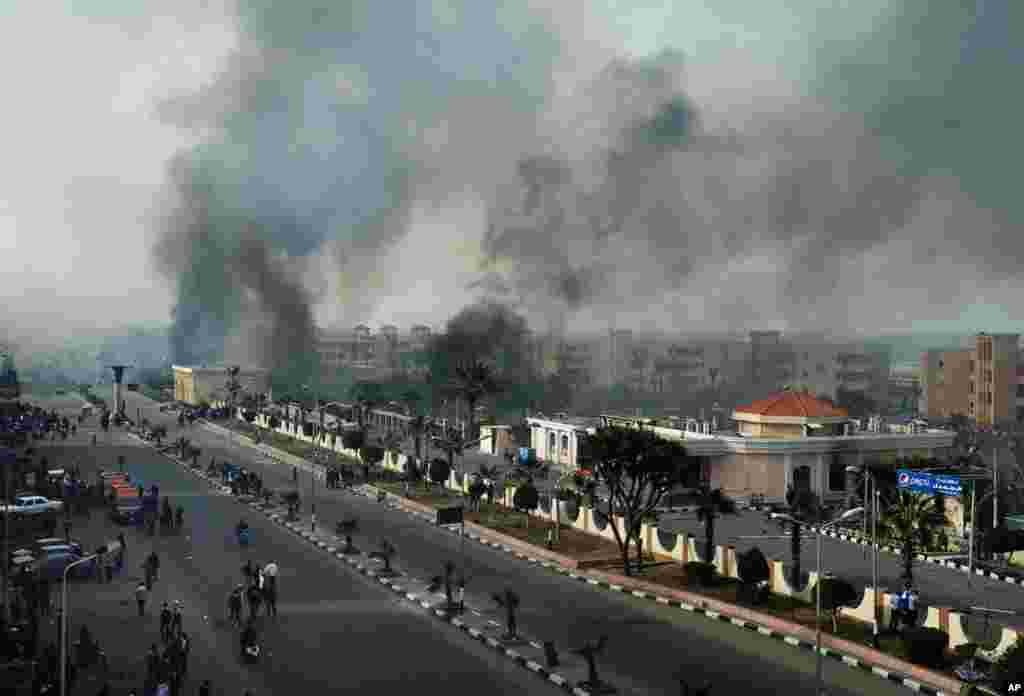
7/10Smoke rises after Egyptian protesters clash with police, unseen, in Port Said, Egypt, January 27, 2013.
Egyptian President Mohamed Morsi is making a shortened visit to Germany Wednesday, as a political crisis marked by days of protests continues at home.
Show moreShow less
8/10A riot police officer gestures during clashes with protesters opposing Egyptian President Mohamed Morsi throwing stones at him near Tahrir Square, Cairo, Egypt, January 25, 2013.
Egyptian President Mohamed Morsi is making a shortened visit to Germany Wednesday, as a political crisis marked by days of protests continues at home.
Show moreShow less
9/10A protester opposing Egyptian President Mohamed Morsi throws a tear gas canister, earlier thrown by riot police near Tahrir Square, Cairo, Egypt, January 25, 2013.
Egyptian President Mohamed Morsi is making a shortened visit to Germany Wednesday, as a political crisis marked by days of protests continues at home.
Show moreShow less
10/10Protesters opposing Egyptian President Mohamed Morsi throw stones towards riot police during clashes near Tahrir Square, Cairo, Egypt, January 25, 2013.
Egyptian President Mohamed Morsi is making a shortened visit to Germany Wednesday, as a political crisis marked by days of protests continues at home.
Show moreShow less
Previous slide
Next slide
Mood less joyous
In Tahrir Square, the mood was less joyous than two years ago, when Egyptians seemed to surprise even themselves with a show of popular power against an entrenched leadership.
Protesters who have taken to the square countless times in the intervening time, spoke with resignation of the struggle that continues.
“ We are here on the 25th of January not to celebrate not to support any party [or] movement, but to resume our uncompleted revolution,“ said a young protester who gave his first name, Zain.
The views of Zain were seconded by an elderly man who came from Aswan in the south to join in the rally. Mokhtar said his country has merely replaced one uncaring leader with another.
“Where is the democratic?" he asked. "We are changing Mohammed Hosni Mubarak [for] Mohammed Morsi only. We don't have anything corrected from Mohamed Morsi since eight months.”
But even as the crowds gathered around the tents and banners that have made Tahrir the continued center of unrest, the leader of President Morsi's political party spoke of what had been accomplished in the past two years.
Hussein Ibrahim, head of the Freedom and Justice Party said Egypt marks the second anniversary with two “achievements of immense importance: an elected civilian president and a constitution approved by the Egyptian people.
Controversial constitution
The controversial constitution was adopted in a referendum late last year after Morsi assumed temporary sweeping powers. His decrees sparked violent clashes between the opposition and the government's Islamist supporters.
The president still has a loyal following among the Brotherhood, the nation's best-organized movement. Leaders called for charity work, rather than street rallies Friday, a decision that appeared aimed at lowering the potential for clashes.
The divisions are not just between those two groups. There are also those who look nostalgically at life before the revolution, when stability, if not vibrancy, was for many a given.
But Friday was a day for the people of Tahrir and their counterparts across the country.
Everywhere were signs celebrating the revolutionary youth, and denouncing the aging leadership of the Brotherhood. One protester, Mohammed Ibrahim Garib, said the generational divide is a problem not just in Egypt, but across the Arab world.
"We are the future," he said. "So enough with the old people.”
Photo Gallery: Arab Spring, Two Years Later
The Arab Spring, Two Years On
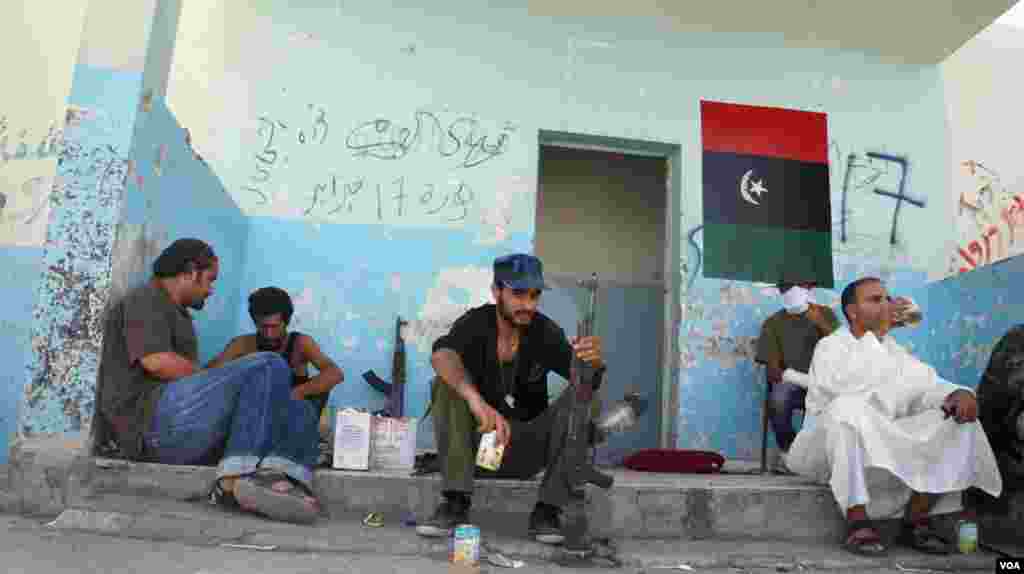
1/20Anti-Gadhafi and proud: Libyans chronicle their uprising in Tripoli. (E. Arrott/VOA)
VOA's Elizabeth Arrott has chronicled the Arab Spring with photographs.
Show moreShow less
2/20A drummer is surrounded by flags in the heady hours before President Mubarak's speech, Cairo, February 10, 2011 (E. Arrott/VOA)
VOA's Elizabeth Arrott has chronicled the Arab Spring with photographs.
Show moreShow less
3/20Egypt's military allowed for presidential elections in mid-2012. Rallies were held for candidates across the country. Photo taken in Edwa, April 23, 2012 (E. Arrott/VOA)
VOA's Elizabeth Arrott has chronicled the Arab Spring with photographs.
Show moreShow less
4/20Egyptian President Hosni Mubarak, a few months before his ouster, September, 2010. (E. Arrott/VOA)
VOA's Elizabeth Arrott has chronicled the Arab Spring with photographs.
Show moreShow less
5/20Pope Shenouda's photograph outside the Hanging Church in Coptic Cairo, March 2012. (E. Arrott/VOA)
VOA's Elizabeth Arrott has chronicled the Arab Spring with photographs.
Show moreShow less
6/20Mohamed Morsi was the second choice candidate of Egypt's Muslim Brotherhood. (E. Arrott/VOA)
VOA's Elizabeth Arrott has chronicled the Arab Spring with photographs.
Show moreShow less
7/20The few classes that are in session are light on studying. Photo taken in Benghazi, June 26, 2011. (E. Arrott/VOA)
VOA's Elizabeth Arrott has chronicled the Arab Spring with photographs.
Show moreShow less
8/20Hunkering down: a poster of Syria's president at a checkpoint on the outskirts of Damascus, January 2012. (E. Arrott/VOA)
VOA's Elizabeth Arrott has chronicled the Arab Spring with photographs.
Show moreShow less
9/20Voters scan the lists at a polling station in Sana'a, February 21, 2012. (E. Arrott/VOA)
VOA's Elizabeth Arrott has chronicled the Arab Spring with photographs.
Show moreShow less
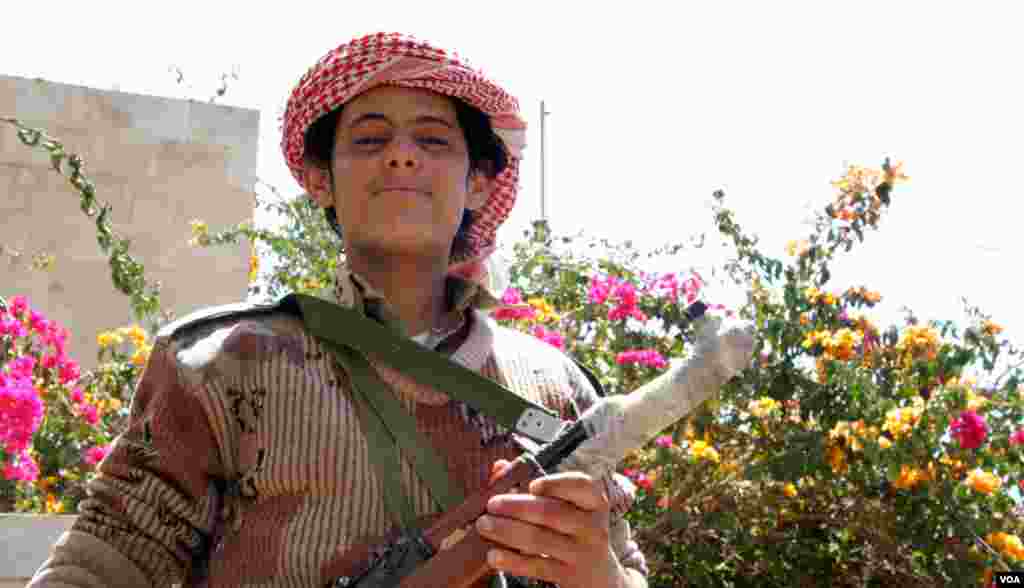
10/20Women played an unusally large role in the uprising leading to Yemen's elections. (E. Arrott/VOA)
VOA's Elizabeth Arrott has chronicled the Arab Spring with photographs.
Show moreShow less
11/20Febuary 19, 2012 - One year after the Arab Spring hit Yemen, youths on both sides are hopeful. (E. Arrott/VOA)
VOA's Elizabeth Arrott has chronicled the Arab Spring with photographs.
Show moreShow less
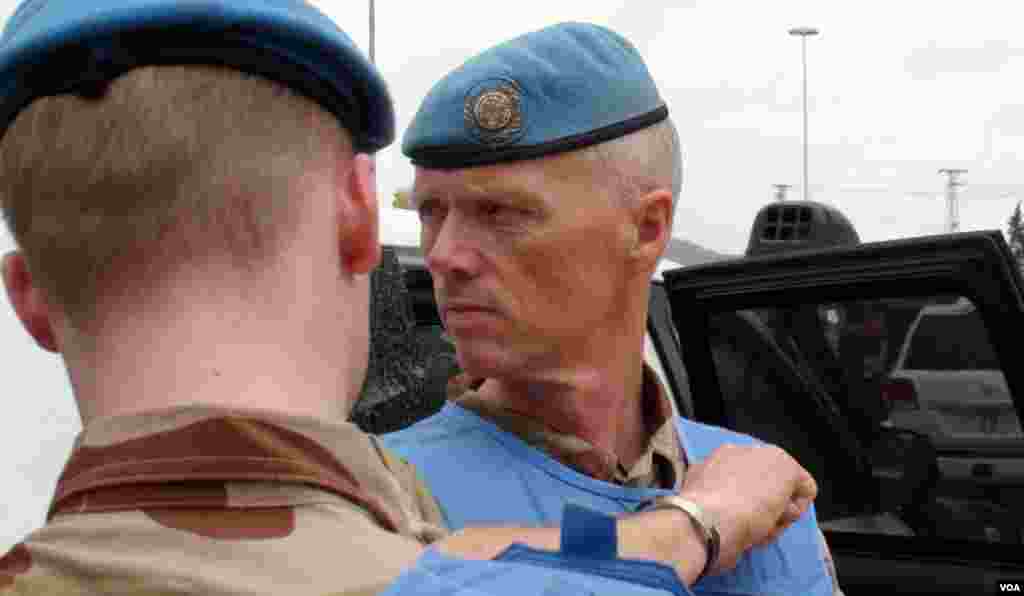
12/20The head of the UN mission in Syria, General Robert Mood, in Hama, May 3, 2012. (E. Arrott/VOA)
VOA's Elizabeth Arrott has chronicled the Arab Spring with photographs.
Show moreShow less
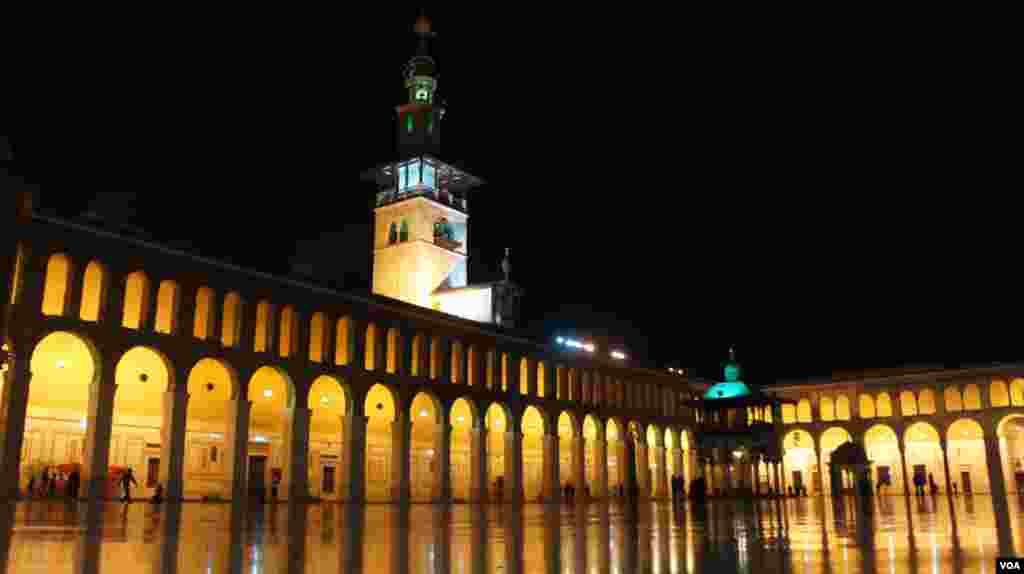
13/20Courtyard of the Umayyad Mosque in Damascus, January 2012. (E. Arrott/VOA)
VOA's Elizabeth Arrott has chronicled the Arab Spring with photographs.
Show moreShow less
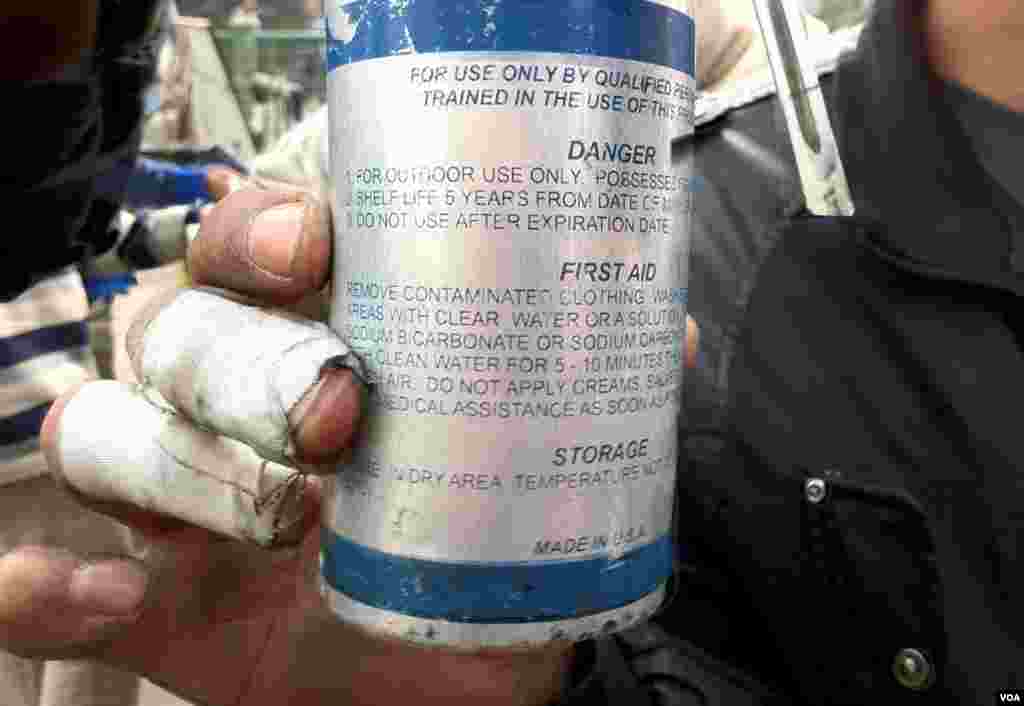
14/20Made in the USA: A tear gas canister is displayed by a protestor on Tahrir square, November 2011. (E. Arrott/VOA)
VOA's Elizabeth Arrott has chronicled the Arab Spring with photographs.
Show moreShow less
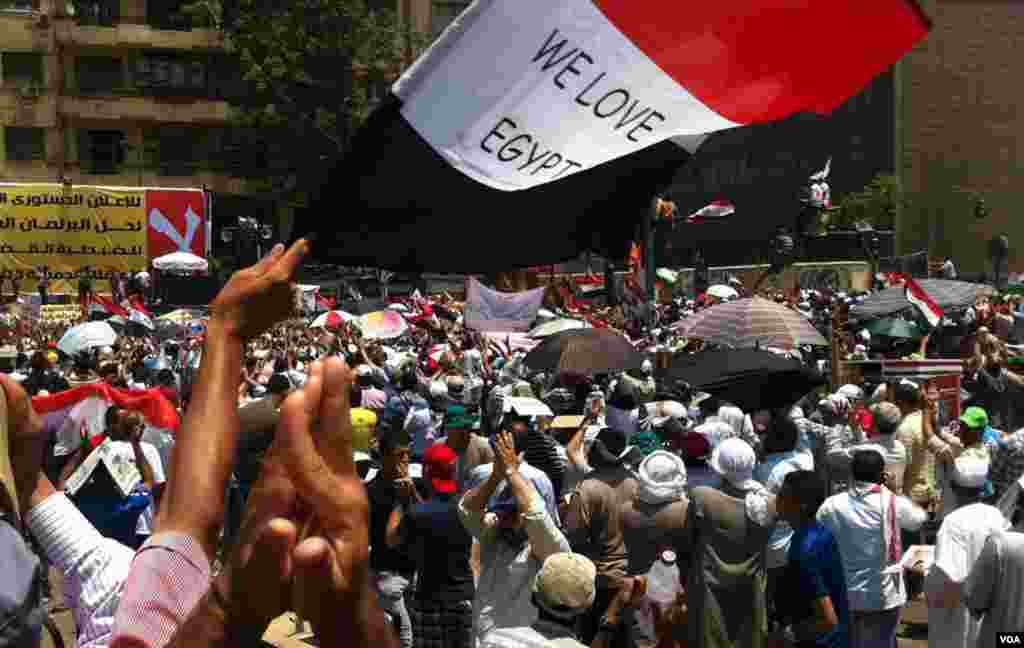
15/20A rally on behalf of the Muslim Brotherhood's Mohamed Morsi on Tahrir Square, June 24, 2012. (E. Arrott/VOA)
VOA's Elizabeth Arrott has chronicled the Arab Spring with photographs.
Show moreShow less
16/20Sept 4, 2011 - Waiting for action in the Gadhafi-held town of Bani Walid. (E. Arrott/VOA)
VOA's Elizabeth Arrott has chronicled the Arab Spring with photographs.
Show moreShow less
17/20Neighbor and rebel Mohammed Arab guards Mohammed Gadhafi's abandoned home in Tripoli, August 29, 2011. (E. Arrott/VOA)
VOA's Elizabeth Arrott has chronicled the Arab Spring with photographs.
Show moreShow less
18/20Getting a good view of the festivities in Tripoli, August 30, 2011. (E. Arrott/VOA)
VOA's Elizabeth Arrott has chronicled the Arab Spring with photographs.
Show moreShow less
19/20Libyan leader Moammar Gadhafi in better times -- celebrating 40 years in power, August 29, 2009 in Tripoli. (E. Arrott/VOA)
VOA's Elizabeth Arrott has chronicled the Arab Spring with photographs.
Show moreShow less
20/20Egypt's military took control, but some said it marked little change from the old system. Military ruler Hussein Tantawi's face merged with Hosni Mubarak, Cairo, April 2012. (E. Arrott/VOA)
VOA's Elizabeth Arrott has chronicled the Arab Spring with photographs.